Paris has a reputation as one of the most expensive cities in Europe, but it is also one of the most rewarding to explore on a budget. Much of its magic lies in simple pleasures that cost little or nothing: strolling along the Seine at sunset, wandering through cobbled neighbourhoods, picnicking in elegant gardens and admiring some of the world’s most famous architecture. With smart planning, you can enjoy the City of Light without overspending.
This guide shares practical tips for visiting Paris on a budget, including when to go, where to stay, how to eat well for less, which museums and sights are free or affordable, and how to get around efficiently. Whether you are planning a weekend or a full week, these ideas will help your money go further.
When to Visit Paris for Less
Paris is busiest and most expensive in summer, especially in June and July, and during major events and holidays. Late autumn and winter, apart from the Christmas and New Year period, bring lower hotel prices and shorter queues at major attractions. Early spring can also offer good value before the peak season begins.
Visiting midweek rather than at weekends can further reduce accommodation costs. Even in winter, Paris is full of life, with cosy cafés, Christmas markets in December and museums that are perfect for chilly days. Booking accommodation and train tickets early is one of the easiest ways to save money whenever you travel.
Where to Stay on a Budget
Accommodation is usually the biggest expense in Paris. Hostels in neighbourhoods such as Montmartre, Belleville and near the Canal Saint-Martin offer affordable dorm beds and private rooms, often with a lively social atmosphere. Budget hotels and small guesthouses in less central arrondissements, such as the 10th, 11th, 12th, 18th and 19th, are generally cheaper than those near the Louvre or the Champs-Élysées.
Staying slightly outside the centre is fine, as the metro makes getting around quick and easy. Look for accommodation close to a metro station on a line that connects directly to the areas you want to visit. Remember that a city tourist tax is added to most accommodation bills, so factor this into your budget.
Eating Well in Paris for Less

Eating well in Paris does not have to be expensive. Bakeries are your best friend, offering croissants, pain au chocolat and fresh baguettes for very little. A baguette sandwich, a slice of quiche or a crêpe from a street stand makes a filling and inexpensive lunch. Markets such as Marché d’Aligre and Marché des Enfants Rouges are excellent for fresh produce, cheese and affordable prepared food.
For a classic Parisian experience, have a picnic in a park or along the Seine with bread, cheese, charcuterie and fruit from local shops. Many bistros offer good-value lunch menus, known as formules, which are often much cheaper than dinner. Tap water is free in restaurants if you ask for a carafe d’eau, and drinking coffee at the counter is cheaper than sitting at a table.
Free and Cheap Things to Do
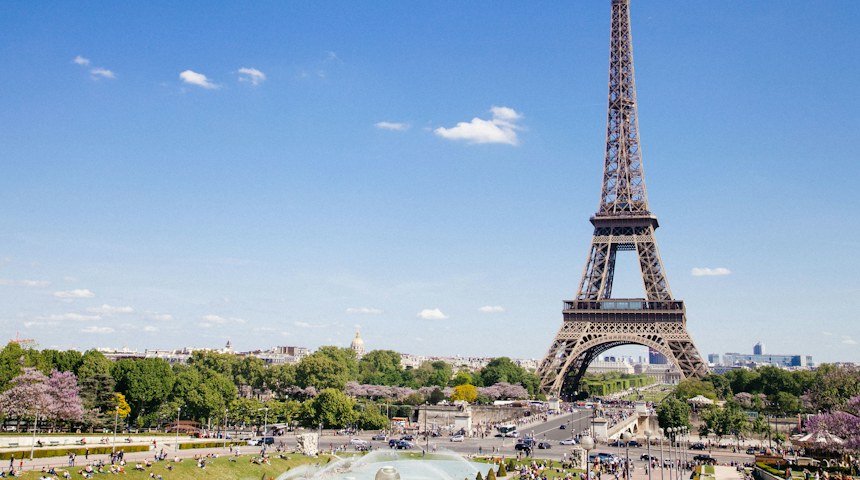
Some of the best experiences in Paris are free. Admire the Eiffel Tower from the Trocadéro or the Champ de Mars, especially when it sparkles after dark. Walk along the Seine, explore the Île de la Cité and Île Saint-Louis, and visit the beautiful Notre-Dame Cathedral, which reopened after its restoration and is free to enter, though you may need to queue or reserve a time slot.
Parks and gardens such as the Luxembourg Gardens, the Tuileries and the Parc des Buttes-Chaumont are lovely places to relax. The Père Lachaise Cemetery, where many famous figures are buried, is free and fascinating to explore. Window shopping at the grand department stores, which often have free rooftop terraces with views, is another budget-friendly highlight.
Museums on a Budget
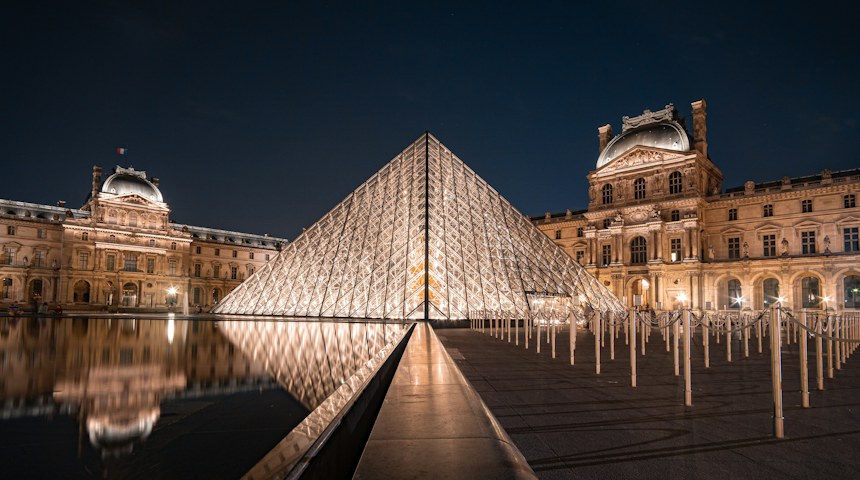
Paris is home to world-class museums, and there are ways to visit them affordably. The permanent collections of the city-run museums, including the Petit Palais and the Musée Carnavalet, which tells the history of Paris, are free to visit. Many national museums offer free entry to young people from the European Union and reduced prices for other visitors in certain categories.
For major museums such as the Louvre, the Musée d’Orsay and the Musée de l’Orangerie, book tickets online in advance and arrive early or visit during late opening hours, when crowds are often smaller. If you plan to visit several museums in a few days, compare the cost of a museum pass with individual tickets to see which option offers better value.
Getting Around Paris Cheaply
The Paris metro is fast, frequent and affordable, and it reaches almost every corner of the city. Contactless payment and rechargeable travel cards make it easy to use, and weekly passes can offer good value for longer stays that run from Monday to Sunday. Buses offer a scenic alternative and use the same tickets.
Walking is one of the best ways to explore Paris, as many key sights are closer together than they appear on a map. The city’s bike-sharing system and extensive network of cycle lanes make cycling another affordable and enjoyable option, especially along the Seine and the canals.
Exploring Neighbourhoods
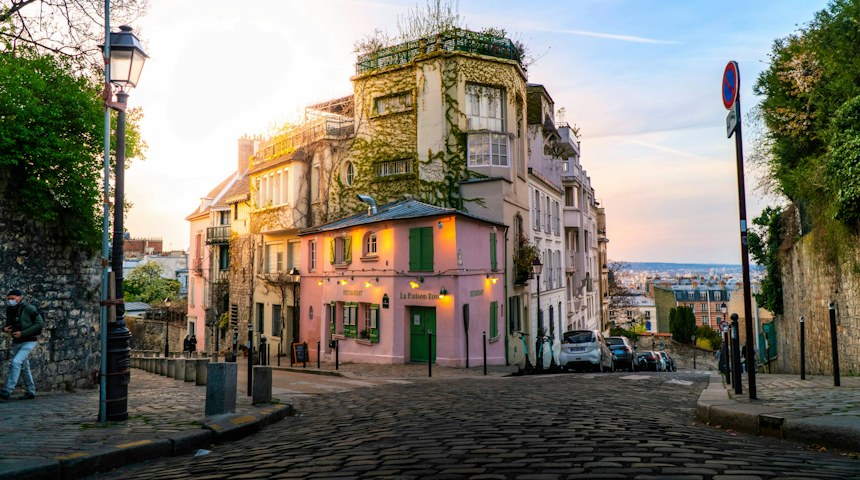
Montmartre, with its winding streets, artists’ squares and the white domes of Sacré-Cœur, offers one of the best free views over Paris. The Marais is full of historic mansions, small museums, boutiques and falafel shops, while Canal Saint-Martin is popular with young Parisians for picnics and evening drinks. Exploring these areas on foot reveals the everyday charm of the city.
A Sample Daily Budget for Paris
Your daily spending in Paris depends mostly on where you sleep and how you eat. A budget traveller staying in a hostel dorm, eating bakery breakfasts, picnic lunches and simple dinners, using the metro and focusing on free sights can keep costs surprisingly low for a major European capital. A mid-range traveller in a small hotel outside the most central districts, enjoying a bistro lunch menu and a museum each day, should expect to spend around double that amount.
Museum tickets, evening meals in central areas and drinks on café terraces are the biggest variable costs. Choosing one paid attraction per day, eating your main meal at lunchtime and enjoying wine from a shop during a riverside picnic rather than in a bar are simple ways to stay within budget without missing the Parisian experience.
A Four-Day Budget Itinerary
On day one, explore the islands at the heart of the city, visiting Notre-Dame and the Sainte-Chapelle area, then walk through the Latin Quarter to the Luxembourg Gardens. Spend the evening along the Seine, finishing at the Eiffel Tower to watch it sparkle after dark. On day two, visit the Louvre in the morning, stroll through the Tuileries Garden and along the Champs-Élysées to the Arc de Triomphe, then picnic on the Champ de Mars.
On day three, explore Montmartre in the morning, including Sacré-Cœur and the artists’ square of Place du Tertre, then head to the Marais in the afternoon for free museums, historic squares and inexpensive falafel. On day four, visit the Musée d’Orsay or a free city-run museum, relax by the Canal Saint-Martin and explore the Père Lachaise Cemetery. This plan groups sights by area to save time and transport costs.
Day Trips from Paris on a Budget
Several fascinating destinations are within easy reach of Paris by regional train. The Palace of Versailles is the most famous day trip, and while palace tickets are an expense, the vast gardens can be enjoyed for little or nothing on many days. Giverny, home to Claude Monet’s house and gardens, is beautiful from spring to autumn, and the medieval town of Provins offers ramparts and a historic centre at a fraction of Paris prices.
For a taste of grandeur without the crowds, the Château de Fontainebleau and its forest make a peaceful escape. Booking regional train tickets on the day is usually fine, and many of these trips can be combined with a picnic for a relaxing and affordable day out.
Common Budget Mistakes in Paris
Many visitors overspend by eating every meal near the main monuments, where prices are highest and quality is often lowest. Taking taxis for short distances, buying single metro tickets repeatedly when a pass would be cheaper, and paying for expensive views when free alternatives exist are other common mistakes. The rooftop terraces of the department stores and the steps of Sacré-Cœur offer excellent views at no cost.
Another mistake is underestimating walking distances and crowds. Allow plenty of time, book major museums in advance and avoid trying to fit too much into each day. Paris is best enjoyed slowly, and some of its finest moments come from simply sitting in a park or café watching the city go by.
Frequently Asked Questions About Paris on a Budget
Is Paris expensive for tourists? Accommodation and dining near major landmarks can be expensive, but Paris offers many free attractions, affordable bakeries and markets, and an efficient metro, which make a budget trip very achievable.
When is the cheapest time to visit Paris? Late autumn and winter, outside the Christmas and New Year period, usually offer the lowest hotel prices and the shortest queues at museums.
Are museums in Paris free? The permanent collections of the city-run museums, such as the Petit Palais and the Musée Carnavalet, are free, and many national museums offer free entry to certain groups, including young EU residents. Check each museum’s website for current policies.
How many days do you need in Paris? Three to four days is enough to see the main highlights at a comfortable pace, while five or more days allows time for day trips and exploring neighbourhoods in depth.
More France Travel Guides
Travelling on your own? Our guide to solo travel in France covers Paris, Lyon, Bordeaux and practical tips for travelling alone. If you are looking for adventure, read our Chamonix and French Alps adventure guide for hiking, climbing and the Aiguille du Midi.
For something more indulgent, discover our luxury French Riviera guide and our Provence road trip itinerary through lavender fields, hilltop villages and vineyards.
Cheap Eats by Neighbourhood
Knowing where to eat makes a big difference to your budget in Paris. The Marais is famous for its falafel shops on Rue des Rosiers, while Belleville and the 13th arrondissement are home to excellent and inexpensive Asian restaurants. The Latin Quarter has many student-friendly cafés and crêperies, and Rue Montorgueil near Les Halles offers bakeries, cheese shops and casual bistros.
For a quick and affordable lunch anywhere in the city, look for a boulangerie offering a formule, a set deal that usually includes a sandwich, a drink and a pastry. Covered markets such as the Marché des Enfants Rouges offer international food stalls at fair prices, and they are perfect for a relaxed meal surrounded by locals.
Final Tips for Paris on a Budget
Plan your days by area to save time and transport costs, carry a reusable water bottle to refill at public fountains, and keep an eye on your belongings in crowded tourist areas. Above all, take time to slow down, sit in a park or café and simply enjoy the atmosphere, which is the true luxury of Paris.
Paris on a budget is not only possible but deeply rewarding. For more inspiration, explore our other France travel guides and start planning your trip.