The United States is a vast and varied country, home to iconic cities, spectacular national parks, legendary road trips and diverse cultures. It also has a reputation for being expensive, with high hotel prices in major cities, costly restaurant meals and long distances to cover. Yet with careful planning, it is entirely possible to travel the USA on a budget and still enjoy unforgettable experiences, from hiking among towering canyons to exploring world-class museums for free.
This guide shares practical tips for saving money on flights, transport, accommodation, food and activities, along with ideas for affordable destinations and experiences across the country.
When to Travel for the Best Value
Prices in the USA vary widely by season and destination. Summer is peak season for national parks, beach destinations and family travel, with higher accommodation prices and bigger crowds. Major holidays such as Thanksgiving, Christmas and the Fourth of July also bring price increases and busy airports.
Spring and autumn are often the best times for budget travellers, offering pleasant weather in many regions and lower prices. Winter can be excellent value in cities such as New York and Chicago outside the holiday period, and in desert destinations such as Arizona and Utah, which enjoy mild winter temperatures. Midweek travel is usually cheaper than weekends for both flights and hotels.
Getting Around Cheaply
Distances in the USA are huge, so transport is a major part of any budget. Domestic low-cost airlines can make long journeys affordable, but watch out for fees for checked bags, carry-on luggage and seat selection. Long-distance buses connect many cities at low prices, and some routes offer comfortable seating and free Wi-Fi.
Amtrak trains are slower but can be scenic and good value on certain routes, especially in the Northeast Corridor between Boston, New York and Washington, D.C. For national parks and rural areas, renting a car is often essential. Sharing a rental car with travel companions, booking in advance and avoiding airport pick-up fees can significantly reduce costs.
Where to Stay on a Budget
Accommodation is often the biggest expense in American cities. Hostels are available in major destinations such as New York, San Francisco, Los Angeles, Chicago and New Orleans, offering dorm beds and private rooms at lower prices than hotels. Budget motel chains along highways are good value for road trips.
Staying outside city centres can save money, provided you have easy access to public transport. Camping is a fantastic way to save money in national parks and rural areas, with campgrounds offering spectacular settings at a fraction of the cost of hotels. Popular campgrounds book up months in advance, so reserve early.
Eating Well for Less

Eating out in the USA can be expensive once taxes and tips are added, but there are many ways to save. Food trucks, diners, delis and ethnic restaurants often offer generous portions at reasonable prices. Lunch specials are usually cheaper than dinner menus, and happy hours at bars and restaurants offer discounted food and drinks in the late afternoon.
Supermarkets and farmers markets are great for picnic supplies, and staying in accommodation with a kitchen allows you to prepare some of your own meals. Remember that tipping is customary in sit-down restaurants, usually around 18 to 20 percent of the bill, so factor this into your budget.
Budget-Friendly Cities
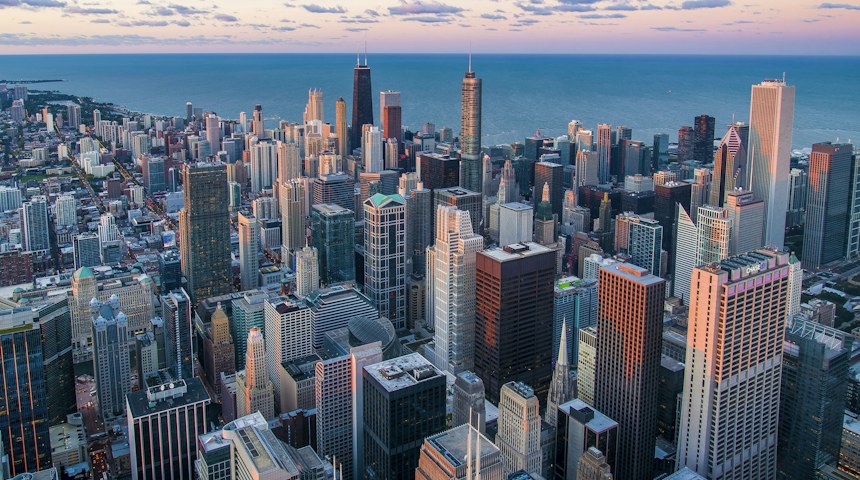
Some American cities offer better value than others. Chicago combines stunning architecture, lakefront beaches, free parks and excellent museums, with free entry days at some institutions for residents and good-value food. Washington, D.C. is one of the best cities for budget travellers, as the Smithsonian museums and national monuments are free to visit.
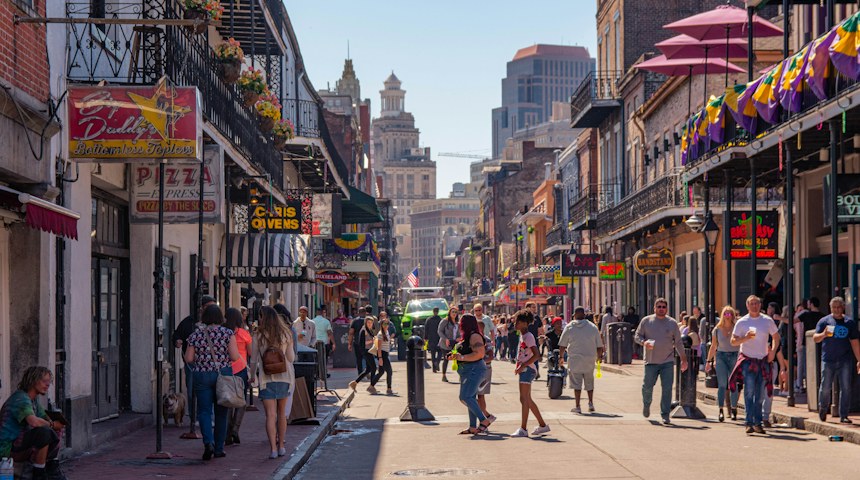
New Orleans offers vibrant culture, free live music on the streets and affordable food, from po’boys to beignets. Cities such as Austin, Nashville, Philadelphia and San Antonio offer rich history, live music and lower costs than New York or San Francisco.
National Parks on a Budget
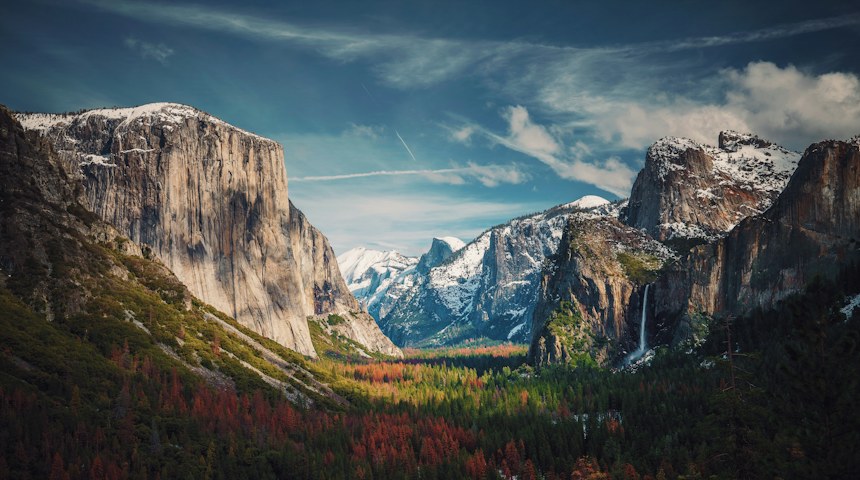
America’s national parks are among the country’s greatest treasures, and they can be enjoyed on a budget. Entry fees are charged per vehicle or per person at many parks, so if you plan to visit several, an annual national parks pass can offer good value. Check the latest fees and pass options on the official National Park Service website, as prices and rules for international visitors can change.
Camping inside or near parks, bringing your own food and hiking the many free trails are the best ways to keep costs down. Parks such as Yosemite, the Grand Canyon, Zion and Yellowstone offer breathtaking scenery that costs nothing to enjoy once you are inside.
Classic Budget Road Trips
A road trip is one of the best ways to see the USA, and it can be surprisingly affordable when costs are shared. The Pacific Coast Highway between San Francisco and Los Angeles offers dramatic ocean views, quiet beaches and charming towns such as Monterey and Carmel, with free viewpoints all along the route.
In the Southwest, a loop from Las Vegas through Zion, Bryce Canyon and the Grand Canyon combines spectacular landscapes with inexpensive motels and campgrounds. Along historic Route 66, classic diners, roadside attractions and small towns offer a nostalgic and budget-friendly slice of Americana.
To save money on the road, compare fuel prices with mobile apps, pack snacks and drinks, and avoid one-way rental fees by planning a loop that returns to your starting point.
Free Things to Do
Many of the best experiences in the USA are free. Walk across the Brooklyn Bridge in New York, explore Golden Gate Park in San Francisco, visit the free Smithsonian museums in Washington, D.C. and enjoy free festivals, concerts and outdoor movies in summer. Many museums offer free or pay-what-you-wish days, so check schedules before your visit.
A Sample Daily Budget for the USA
The USA has a wide range of costs depending on where you go. Major cities such as New York, San Francisco, Boston and Honolulu are the most expensive, while much of the South, the Midwest and smaller cities offer lower prices. A budget traveller using hostels, cooking some meals, travelling by bus and enjoying free attractions can keep costs manageable, while a mid-range traveller renting a car, staying in motels and eating out regularly should plan for a considerably higher daily budget.
Always remember that displayed prices usually do not include sales tax, which varies by state and city, and that tips of around 18 to 20 percent are expected in sit-down restaurants. Hotel taxes and resort fees can also add significantly to accommodation costs, so compare the total price before booking.
A Two-Week Budget Itinerary
A rewarding two-week route on a budget starts in New York for four days of free sights, neighbourhoods and cheap eats. Take a bus or train to Washington, D.C. for two days of free Smithsonian museums and monuments, then fly on a low-cost airline to Las Vegas, where hotel rooms can be surprisingly cheap midweek. From Las Vegas, rent a car with friends and spend five days visiting Zion, Bryce Canyon and the Grand Canyon, camping or staying in budget motels.
Finish with two or three days in Los Angeles or San Diego, enjoying free beaches, hiking trails and public museums. This route combines iconic cities with spectacular national parks while keeping long-distance travel efficient and affordable.
Common Budget Mistakes in the USA
Many visitors underestimate the cost of taxes, tips and fees, which can make a trip far more expensive than planned. Others book low-cost flights without checking baggage charges, or rent cars from airport locations with higher fees. Trying to cover too much of a very large country in a short time is another common mistake, as long-distance travel quickly consumes both time and money.
Not buying travel insurance is a serious risk, as medical costs in the USA are extremely high. Finally, ignoring parking costs in big cities can lead to unpleasant surprises, so consider whether you really need a car in places with good public transport.
Frequently Asked Questions About USA on a Budget
Is it possible to travel the USA on a budget? Yes. By focusing on free attractions, using buses and low-cost flights, staying in hostels, motels or campgrounds and eating at food trucks and diners, you can explore the USA affordably.
What is the cheapest way to travel around the USA? Long-distance buses are usually the cheapest option, while low-cost airlines can be inexpensive for long distances when booked early. Sharing a rental car is often the most economical option for national parks.
Which US cities are best for budget travellers? Washington, D.C., Chicago, New Orleans, Philadelphia, Austin and San Antonio offer excellent value, with many free attractions and affordable food.
Is a national parks pass worth it? If you plan to visit several parks that charge entrance fees, an annual pass can save money. Check the official National Park Service website for current prices and options for international visitors.
More USA Travel Guides
Planning your first visit to the Big Apple? Our New York City guide for first-timers shows how to see the city on a budget. If you are travelling alone, read our guide to solo travel in the USA for the best cities and safety tips.
For outdoor adventure, our US national parks adventure guide covers the Grand Canyon, Zion, Yosemite and Yellowstone. And when it is time to treat yourself, our luxury Hawaii guide reveals the best resorts, islands and experiences.
Final Tips for USA on a Budget
Plan your route carefully to reduce long-distance travel, compare flight prices across different airports and book accommodation early. Factor in sales tax, which is added at checkout, and tips. Travel insurance with good medical coverage is essential, as healthcare costs are high.
With smart planning, the USA can be explored affordably without missing its highlights. For more ideas, explore our other USA travel guides and start planning your trip.