The national parks of the United States are among the most spectacular natural areas on Earth. From the vast depths of the Grand Canyon to the granite cliffs of Yosemite, the geysers of Yellowstone and the red rock canyons of Utah, these protected landscapes offer endless opportunities for adventure. Hiking, climbing, rafting, wildlife watching and camping under star-filled skies are just some of the experiences waiting for adventurous travellers.
This guide highlights the best national parks for adventure, top hikes and activities, permits and passes, and practical tips for planning a safe and unforgettable trip.
Planning Your National Parks Adventure
The USA has more than sixty national parks, spread across a huge area, so careful planning is essential. Many travellers focus on one region, such as the Southwest, California or the Rocky Mountains, to reduce driving time. A road trip linking several parks is one of the best ways to experience them.
Popular parks can be very busy, especially in summer, and some now use timed entry or reservation systems at peak times. Check the official National Park Service website for current requirements, fees and pass options before you travel, as policies, including pricing for international visitors, can change.
Grand Canyon National Park
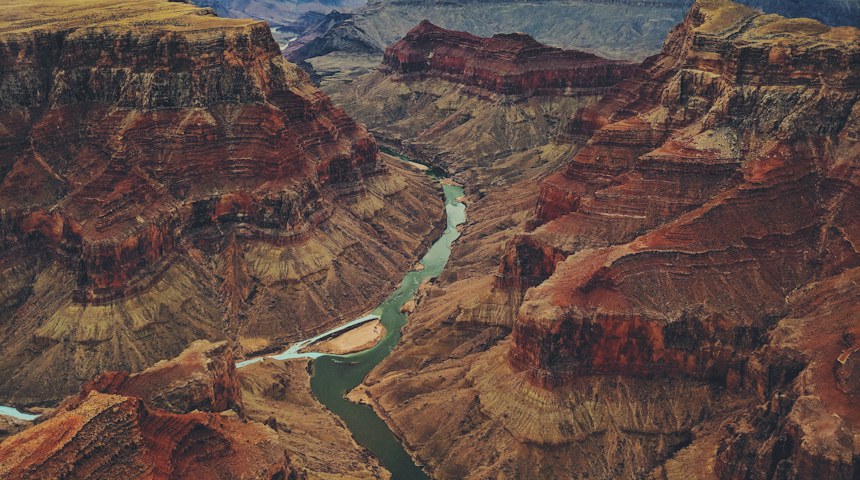
The Grand Canyon is one of the world’s most famous natural wonders, carved by the Colorado River over millions of years. The South Rim is open year-round and offers numerous viewpoints along the Rim Trail. For adventure, hike below the rim on trails such as the Bright Angel or South Kaibab, but remember that the climb back up is much harder than the descent.
Hiking to the river and back in a single day is not recommended, especially in summer, when temperatures at the bottom can be extreme. Overnight trips require a backcountry permit, and multi-day rafting trips on the Colorado River are a bucket-list adventure that should be booked well in advance.
Zion and the Utah Parks
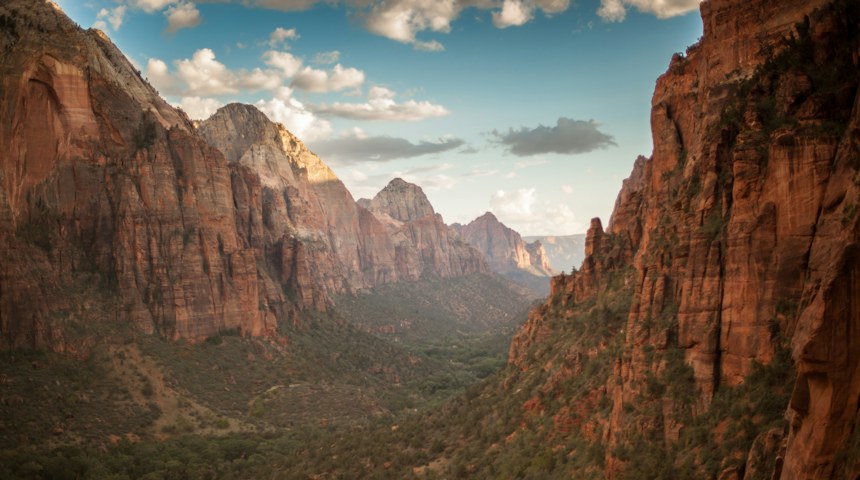
Zion National Park in southern Utah is famous for its towering sandstone cliffs and adventurous hikes. The Narrows, where you wade through the Virgin River between soaring canyon walls, is one of the most unique hikes in the country. Angels Landing, a dramatic climb along a narrow ridge with chains for support, requires a permit obtained through a lottery system.
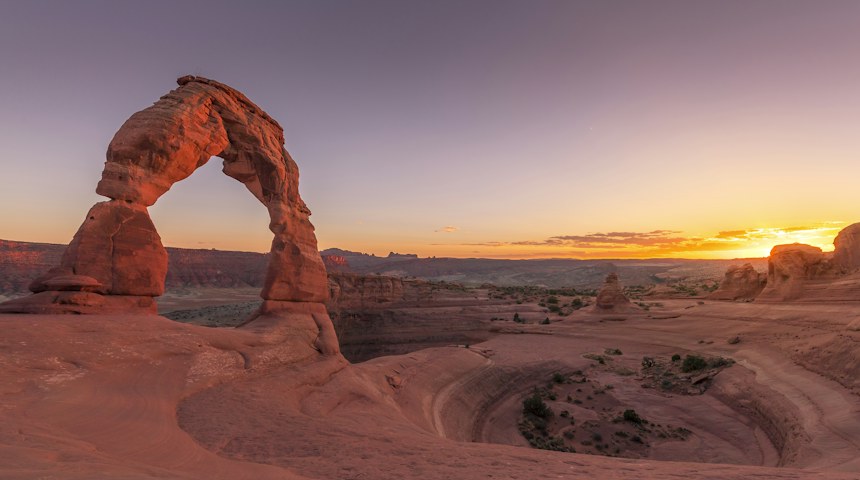
Utah is home to five national parks, often called the Mighty Five. Bryce Canyon is known for its hoodoos, Arches for its more than two thousand natural stone arches, Canyonlands for its vast canyon systems and Capitol Reef for its colourful cliffs and quiet trails. Together, they make an outstanding road trip.
Yosemite National Park
Yosemite, in California’s Sierra Nevada, is famous for its granite cliffs, giant sequoias and waterfalls. Hikes such as the Mist Trail to Vernal and Nevada Falls offer stunning scenery, while the cables route up Half Dome is a challenging adventure that requires a permit. El Capitan is one of the most famous big-wall climbing destinations in the world.
Yosemite Valley can be crowded in summer, so start early or explore quieter areas such as Tuolumne Meadows when accessible.
Yellowstone and the Rockies
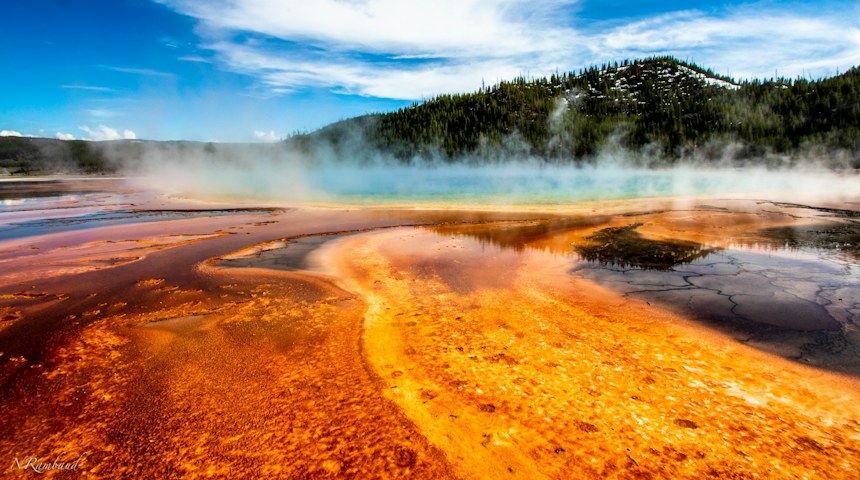
Yellowstone, the world’s first national park, sits atop a volcanic hotspot and contains more than half of the world’s active geysers, including Old Faithful. Its colourful hot springs, such as the Grand Prismatic Spring, are extraordinary, and the park is home to bison, elk, wolves and bears. Always stay on boardwalks in thermal areas and keep a safe distance from wildlife.
Nearby Grand Teton National Park offers dramatic mountain scenery, alpine lakes and excellent hiking. Further north, Glacier National Park in Montana is known for its rugged peaks, glacial lakes and the scenic Going-to-the-Sun Road.
Permits, Passes and Camping
If you plan to visit several parks, an annual national parks pass may offer better value than paying individual entry fees. Campgrounds inside popular parks often book months in advance, so reserve as early as possible. Backcountry camping requires permits, which are limited in many parks.
Road Trip Routes Linking the Parks
Linking several parks in a single road trip is one of the best ways to experience them. A classic Southwest route starts in Las Vegas and visits Zion, Bryce Canyon, Capitol Reef, Arches, Canyonlands and the Grand Canyon over around ten to fourteen days, with breathtaking scenic drives between each park. Monument Valley and Antelope Canyon make memorable detours along the way.
In the north, a route combining Yellowstone and Grand Teton can be completed in around a week, with time for hiking, wildlife watching and exploring the charming town of Jackson. In California, Yosemite pairs well with Sequoia and Kings Canyon National Parks, home to the largest trees on Earth, and Death Valley offers an extreme desert landscape in the cooler months.
Allow more time than you expect for driving, as distances are long and you will want to stop at viewpoints. Book accommodation near park entrances early, and keep your fuel tank topped up, as petrol stations can be far apart in remote regions.
Safety and Preparation
Adventure in the national parks requires preparation. Carry plenty of water, especially in desert parks, wear sun protection and start hikes early to avoid the heat. Check weather and trail conditions daily, and be aware of risks such as flash floods in canyons. Learn about wildlife safety, including carrying bear spray in bear country, and always follow Leave No Trace principles.
When to Go
The best time to visit depends on the park. Desert parks such as Zion, Arches and the Grand Canyon are most comfortable in spring and autumn. Yellowstone, Glacier and high mountain areas are best from late June to September, when roads and trails are open. Winter offers quieter experiences in many parks, though some areas close.
To plan the rest of your trip, read our complete guide to travelling the USA on a budget, covering flights, buses, road trips, national park passes and a two-week itinerary.
Final Thoughts on US National Parks
America’s national parks offer adventures that inspire awe at every turn. Plan carefully, respect the landscapes and wildlife, and allow time to simply enjoy the views. For more inspiration, explore our other USA travel guides and start planning your adventure.