Northern Thailand is a playground for adventurous travellers. Beyond the temples and night markets of Chiang Mai lie forested mountains, rushing rivers, hill tribe villages and winding roads that lead to some of the most beautiful landscapes in Southeast Asia. Here you can trek through jungle to remote waterfalls, raft through rapids, fly through the treetops on a zipline and ride one of the most famous motorbike routes in Asia, all at prices that make adventure surprisingly affordable.
This guide covers the best adventure activities in northern Thailand, where to base yourself, when to visit and how to choose responsible operators. Whether you want an adrenaline-filled week or a mix of gentle hikes and cultural experiences, the north offers more than enough to keep you busy and inspired.
Why Northern Thailand Is an Adventure Hotspot
The landscape of northern Thailand is shaped by mountains that stretch towards Myanmar and Laos, creating cooler temperatures, dense forests and fertile valleys. This terrain supports a wide range of outdoor activities, and Chiang Mai has developed into one of Asia’s best bases for adventure travel, with dozens of experienced tour operators, gear rental shops and guides who know the region intimately.
Adventure here also comes with rich culture. Treks pass through villages of ethnic minority communities such as the Karen, Hmong and Lahu, and many routes lead to temples perched on mountaintops. The combination of physical challenge, natural beauty and cultural discovery is what makes adventure travel in northern Thailand so memorable.
Jungle Trekking Around Chiang Mai
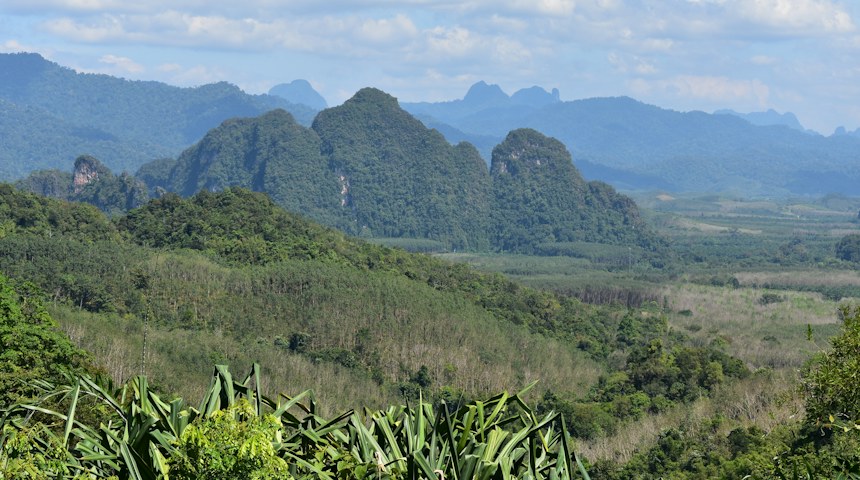
Trekking is the classic adventure in northern Thailand. Day hikes and multi-day treks lead through bamboo forests, rice terraces and jungle trails to waterfalls and viewpoints, with nights spent in simple village homestays. The areas around Mae Taeng, Mae Wang and Doi Inthanon National Park are among the most popular, offering a mix of scenery and cultural encounters.
When choosing a trek, look for small group sizes, experienced local guides and operators that work fairly with the communities you visit. Ask what is included, how difficult the route is and where you will sleep. Good treks balance walking with time to swim in rivers, share meals with local families and learn about traditional farming and crafts, creating a far richer experience than simply covering distance.
Doi Inthanon: The Roof of Thailand
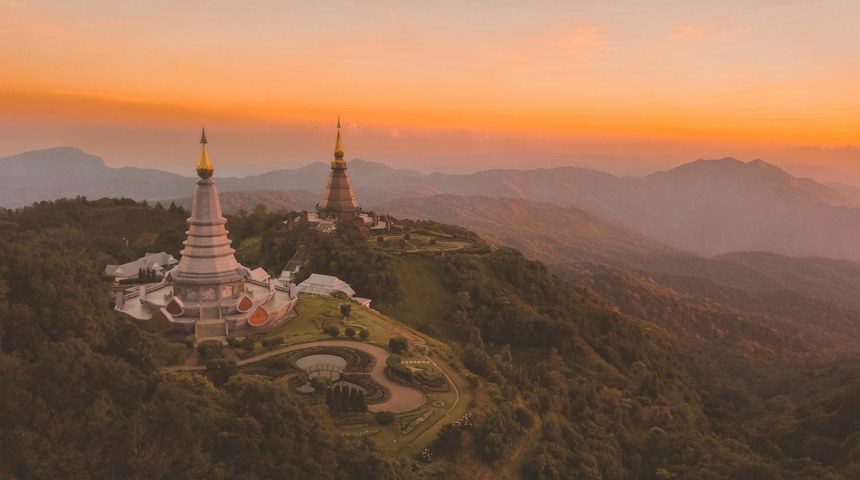
Doi Inthanon is Thailand’s highest mountain and one of its most rewarding natural areas. The national park features cloud forests, powerful waterfalls such as Wachirathan and Mae Ya, and the beautiful twin royal pagodas surrounded by flower gardens. The Kew Mae Pan nature trail offers spectacular views across the mountains, especially at sunrise when mist fills the valleys below.
Temperatures at the summit can be surprisingly cold, particularly in the cooler months, so bring warm layers. Some trails in the park require a local guide, which helps support nearby villages and ensures you follow protected routes. Doi Inthanon can be visited on a long day trip from Chiang Mai, but staying overnight nearby lets you enjoy the trails without the crowds.
White-Water Rafting and River Adventures
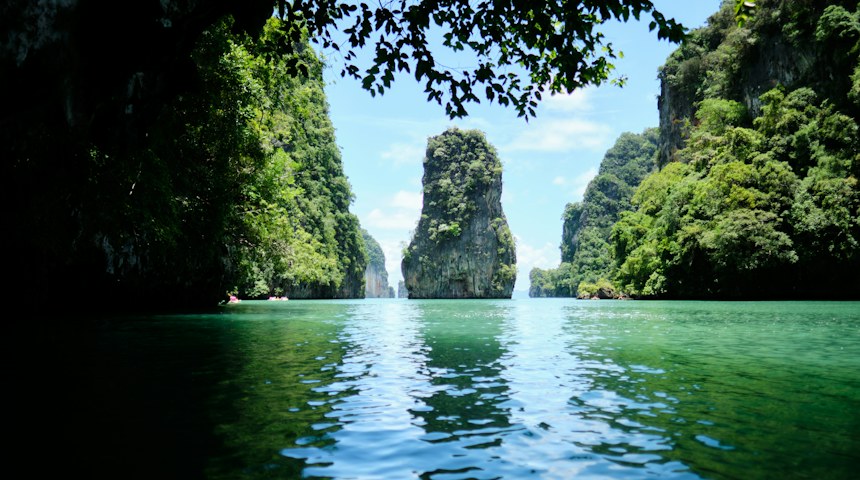
The rivers of northern Thailand offer exciting white-water rafting, especially during and just after the rainy season, when water levels are highest. The Mae Taeng River north of Chiang Mai is the most popular choice, with stretches of rapids that suit both beginners and those seeking more adrenaline. Trips usually combine rafting with bamboo rafting on calmer sections, jungle scenery and a riverside lunch.
For a gentler river experience, kayaking and bamboo rafting trips allow you to drift past forests and villages at a relaxed pace. Always choose operators with proper safety equipment, including helmets and life jackets, and qualified guides. In the dry season, water levels drop, so check conditions before booking if rapids are your main priority.
Ziplining, Climbing and Caving
Ziplining through the rainforest canopy has become one of the most popular adventures near Chiang Mai. Several parks offer courses with long cables, sky bridges and abseils between platforms high above the forest floor, giving you a thrilling perspective on the jungle. Look for operators with strong safety records and well-maintained equipment.
Rock climbing is another highlight. The limestone crags near Chiang Mai offer routes for beginners and experienced climbers, and local climbing schools provide courses and guided trips. Caving enthusiasts can explore the impressive Chiang Dao Cave north of the city or the vast caves of Mae Hong Son province, such as Tham Lod, where you can travel by bamboo raft through underground chambers.
Riding the Mae Hong Son Loop
The Mae Hong Son Loop is one of Asia’s most famous road trips, a circular route through the mountains northwest of Chiang Mai that passes through Pai, Mae Hong Son and Mae Sariang. The road twists through hundreds of curves, climbing over ridges and descending into valleys filled with rice fields, hot springs and small towns. Most riders take between five days and a week to complete the loop at a comfortable pace.
The route is best suited to experienced motorbike riders, as the roads are steep and winding. Always wear a helmet and protective clothing, carry an international driving permit with the right motorbike endorsement and make sure your travel insurance covers riding. Travellers without riding experience can enjoy the same scenery by renting a car with a driver or by using minivans between towns.
Ethical Elephant Experiences
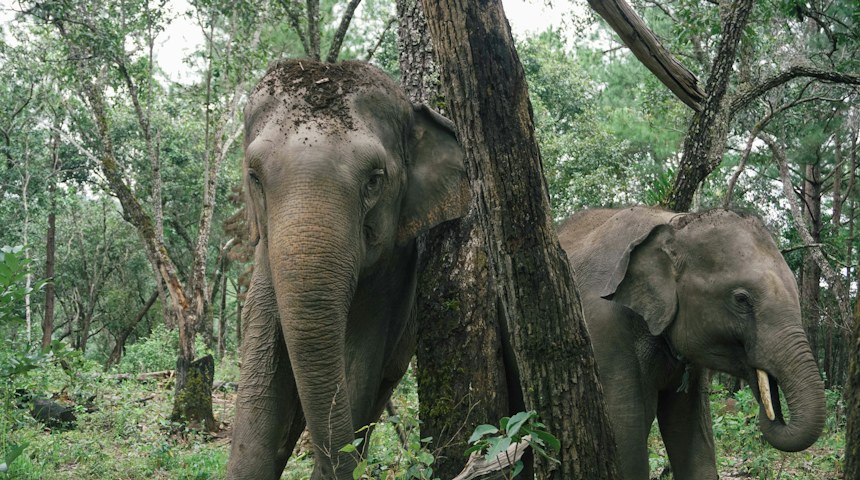
Meeting elephants is high on many travellers’ lists, but it is important to choose carefully. Responsible sanctuaries around Chiang Mai focus on rescued elephants and allow visitors to observe them feeding, walking and bathing in a natural environment. Avoid any venue that offers elephant riding, performances or tricks, as these practices often involve harmful training methods.
Research sanctuaries thoroughly, read recent reviews and look for places with small visitor numbers and a clear focus on animal welfare. A good visit will teach you about elephant behaviour, the history of logging and tourism in Thailand and the challenges of caring for these magnificent animals.
Chiang Rai and the Golden Triangle
A few hours northeast of Chiang Mai, Chiang Rai makes an excellent extension to any adventure trip. Its famous White Temple, a dazzling contemporary artwork created by a Thai artist, contrasts beautifully with the deep blue Blue Temple and the dark wooden structures of the Black House. The surrounding mountains offer tea plantations, hill tribe villages and hiking trails.
Further north, the Golden Triangle marks the point where Thailand, Laos and Myanmar meet along the Mekong River. Boat trips, viewpoints and museums tell the story of the region’s history, and the area is a scenic gateway for travellers continuing overland into Laos.
When to Go and How to Prepare
The cool season from roughly November to February is the most comfortable time for trekking and outdoor activities, with clear skies and mild days. The rainy season from around June to October brings lush landscapes and the best rafting conditions, though trails can be muddy. From roughly February to April, agricultural burning can cause heavy smoke and poor air quality in the north, so check air quality forecasts if you plan to travel then.
Pack sturdy shoes, quick-drying clothing, rain protection, insect repellent and a reusable water bottle. Ensure your travel insurance covers adventure activities, and always choose licensed operators with good safety standards. Respect local customs when visiting villages by dressing modestly and asking before taking photographs.
Before you go, read our complete guide to Thailand on a budget, which covers cheap stays, street food, overnight trains, island ferries and a realistic daily budget for the whole country.
Final Thoughts on Adventure in Northern Thailand
Northern Thailand offers some of the most rewarding adventure travel in Asia, from jungle treks and river rapids to mountain roads and ancient temples. Plan a mix of active days and slower cultural experiences, choose responsible operators and allow time to enjoy the relaxed pace of the north. For more trip ideas, explore our other Thailand travel guides and start planning your next adventure.