Few experiences capture the spirit of adventure in Southeast Asia quite like island hopping in Thailand. Along the Andaman coast, dramatic limestone cliffs rise from emerald water, hidden lagoons wait to be explored by kayak, and coral reefs teem with tropical fish just a short swim from the beach. Moving from island to island by ferry and longtail boat, you can combine lively towns, quiet bays and remote national parks in a single unforgettable journey.
This guide focuses on the Andaman Sea, home to Phuket, Krabi, Koh Phi Phi, Koh Lanta and Koh Lipe, and explains how to plan a route, how ferries work, which activities are worth your time and when to go. Whether you have one week or three, these tips will help you create an island-hopping adventure that balances excitement with plenty of time to relax.
Planning Your Island Hopping Route
The Andaman coast is ideal for island hopping because its islands are connected by regular ferries, speedboats and longtail boats, especially during the main travel season. A popular route starts in Phuket, continues to Koh Phi Phi and Krabi, then heads south to Koh Lanta before finishing at Koh Lipe near the Malaysian border. This journey can be completed in around two weeks at a comfortable pace, or extended with detours to smaller, quieter islands.
Try not to move every day, as transfers can take several hours including waiting time and pier transfers. Spending at least two or three nights in each place gives you time to explore properly and enjoy the beaches without feeling rushed. If you are short on time, choose two or three islands and focus on enjoying them rather than ticking off as many as possible.
Phuket: The Gateway to the Andaman Sea
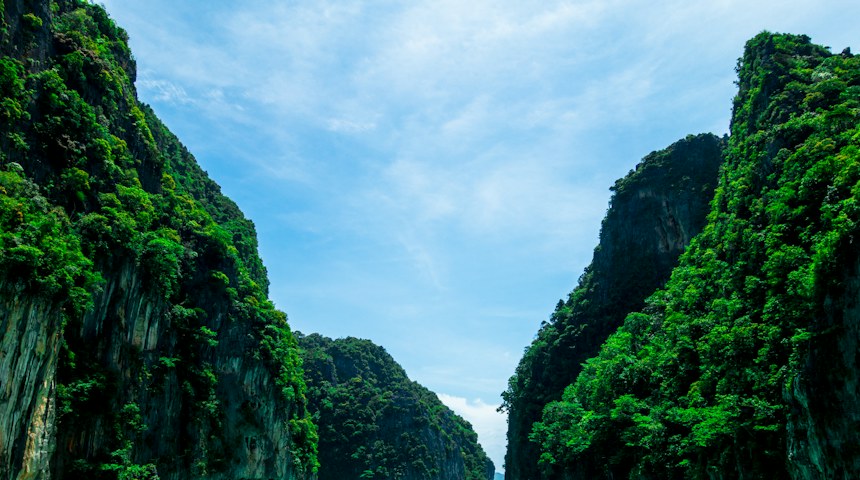
Phuket is Thailand’s largest island and the main entry point for most island-hopping trips, thanks to its international airport and excellent connections. While some beaches are busy and developed, others such as Kata Noi, Nai Harn and the quieter northern coastline offer a more relaxed atmosphere. Phuket Old Town is worth a visit for its colourful Sino-Portuguese buildings, cafes and weekend market.
Phuket is also the best base for exploring Phang Nga Bay, one of Thailand’s most spectacular landscapes. Sea kayaking tours glide into hidden lagoons, known locally as hongs, that are accessible only through narrow caves at the right tide. Day trips also visit the famous limestone pinnacle often called James Bond Island and the floating Muslim fishing village of Koh Panyee.
Krabi and Railay: Cliffs and Climbing
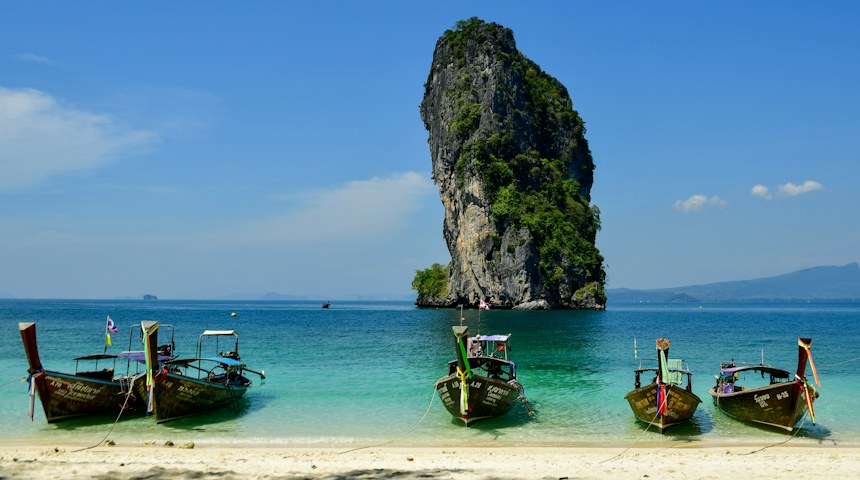
Krabi province is famous for its towering limestone karsts and is a paradise for adventure lovers. Railay, a peninsula reachable only by boat because of the cliffs that cut it off from the mainland, is one of the world’s top rock climbing destinations, with routes for beginners and experts directly above the beach. Even if you do not climb, the scenery at Railay and nearby Phra Nang Beach is breathtaking.
From Ao Nang, the main beach town, longtail boats run to nearby islands for snorkelling and swimming. The Four Islands and Hong Islands tours are popular day trips, combining clear water, sandbars and dramatic scenery. Kayaking through the mangroves at Ao Thalane is another rewarding way to experience the region’s natural beauty at a slower pace.
Koh Phi Phi: Iconic Bays and Snorkelling
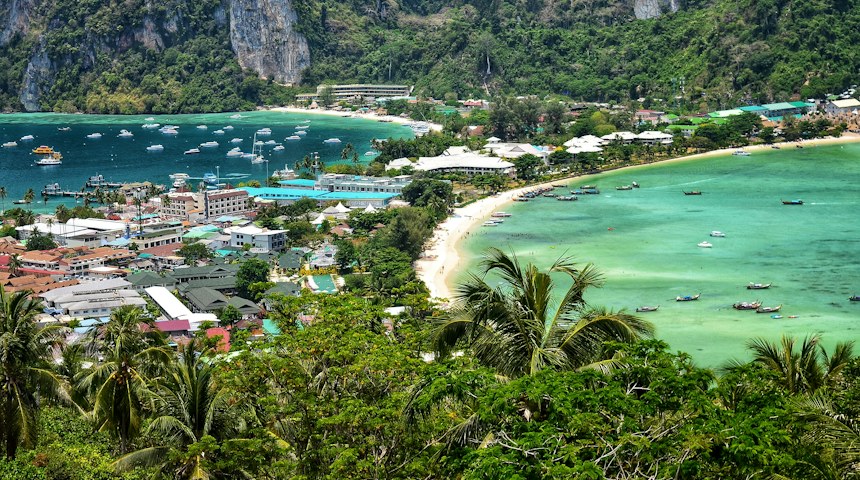
Koh Phi Phi is one of Thailand’s most famous islands, known for its striking scenery, turquoise bays and lively nightlife. Phi Phi Don, the main inhabited island, has no cars, so getting around is by foot or boat. The hike to the Phi Phi viewpoint rewards you with one of the most photographed panoramas in Thailand, especially at sunrise or sunset.
Boat trips around the islands include snorkelling stops, sea caves and the uninhabited Phi Phi Leh, home to the celebrated Maya Bay. Access to Maya Bay is now carefully managed to protect the environment, with rules such as restricted swimming, visitor limits and periodic closures, so check the latest status before booking. Choose early morning tours to enjoy the bays before the crowds arrive.
Koh Lanta: Relaxed and Family-Friendly
Koh Lanta offers a more laid-back atmosphere than Phi Phi or Phuket. Its long sandy beaches, affordable resorts and calm evenings make it popular with families, couples and travellers who want a slower pace. Renting a scooter or a car with a driver is a good way to explore the island, from the old town on the east coast to the Mu Ko Lanta National Park at the southern tip.
Koh Lanta is also a fantastic base for diving and snorkelling. Trips to Koh Rok and Koh Haa offer some of the clearest water in the region, with colourful coral and abundant marine life, while advanced divers can head to famous sites such as Hin Daeng and Hin Muang, which are known for their dramatic underwater walls and occasional sightings of large pelagic species.
Koh Lipe and the Far South
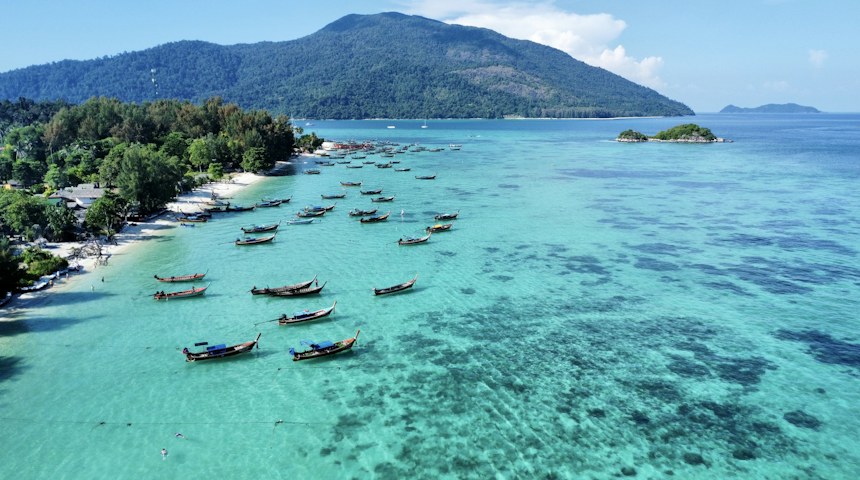
Koh Lipe, near the border with Malaysia, is a small island with soft white sand, clear water and a relaxed walking street lined with restaurants and bars. It sits within Tarutao National Marine Park, and boat trips to the surrounding islands offer excellent snorkelling and secluded beaches. Lipe is a good place to end your journey, with connections to Langkawi in Malaysia for those continuing their travels.
For travellers seeking even quieter islands, Koh Mook, Koh Kradan and Koh Ngai in the Trang archipelago are wonderful options. Koh Mook is home to the Emerald Cave, where you swim through a dark tunnel into a hidden beach surrounded by cliffs, an unforgettable adventure when visited at the right tide with a responsible guide.
Getting Between the Islands
Ferries and speedboats connect the main Andaman islands frequently during the high season, typically from November to April. Many services can be booked online or through local travel agents, and combination tickets including minivan transfers to piers make journeys simpler. Speedboats are faster but more expensive, while larger ferries are slower, cheaper and usually more comfortable in rough seas.
During the rainy season, from roughly May to October, some routes operate less frequently or stop entirely due to rough seas, and smaller islands such as Koh Lipe and Koh Kradan become much quieter. Always check schedules in advance, allow buffer time before flights and choose reputable operators with life jackets on board.
Essential Island Hopping Tips
Packing light makes island hopping far easier. You will often carry your bags along piers, onto longtail boats and across sandy beaches, so a backpack or small soft bag is much more practical than a large suitcase. Keep valuables, medication and electronics in a waterproof dry bag, as spray from speedboats and occasional rain showers can soak everything in seconds.
Bring reef-safe sunscreen, a hat and a reusable water bottle, and consider packing your own snorkel mask if you plan to spend a lot of time in the water, as rental equipment varies in quality. Cash is essential on smaller islands, where ATMs may be limited or charge high fees, and some piers and national parks charge small entry or landing fees that must be paid in cash.
Finally, travel responsibly. Never stand on or touch coral, avoid feeding fish, and choose boat operators that respect marine park rules. Take all rubbish with you, refuse unnecessary plastic and support locally owned guesthouses and restaurants wherever possible, so that your adventure helps protect these beautiful islands for future visitors.
When to Go Island Hopping
The best time for island hopping on the Andaman coast is the dry season from November to April, when seas are calmer, skies are clearer and underwater visibility is at its best for snorkelling and diving. December to February is particularly popular and prices rise accordingly, so book accommodation early for this period. Shoulder months offer a balance of good weather and lower prices.
If you are travelling between May and October, consider switching to the Gulf of Thailand, where islands such as Koh Samui, Koh Phangan and Koh Tao often enjoy better weather during these months. This flexibility means you can enjoy island hopping in Thailand almost all year round.
Before you go, read our complete guide to Thailand on a budget, which covers cheap stays, street food, overnight trains, island ferries and a realistic daily budget for the whole country.
Final Thoughts on Thailand Island Hopping
Island hopping in Thailand is an adventure filled with towering cliffs, turquoise lagoons, vibrant reefs and laid-back beach towns. Plan a realistic route, travel during the right season and leave space for spontaneous detours. For more ideas, explore our other Thailand travel guides and start planning your journey through the islands.