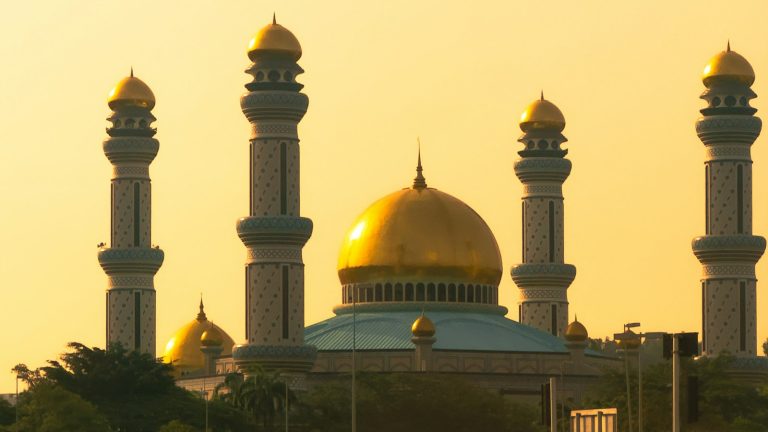
Timor-Leste is one of the least-visited countries in Southeast Asia, and that is a big part of its appeal. Asia’s youngest nation offers spectacular coral reefs, rugged mountains, quiet beaches and a fascinating mix of Timorese, Portuguese and Indonesian influences. For adventurous travellers who are happy to leave the well-worn tourist trail behind, it promises genuine discovery.
This guide covers the best adventures in Timor-Leste, from diving and snorkelling around Atauro Island to a sunrise hike up Mount Ramelau, along with practical advice on getting around, staying safe and planning your trip.
Why Visit Timor-Leste
Timor-Leste gained independence in 2002 after a long and difficult struggle, and in 2025 it became the newest member of ASEAN. Tourism is still developing, which means fewer crowds and a more authentic experience, but also simpler infrastructure. Patience, flexibility and a sense of adventure are essential.
The rewards are considerable. The waters around Timor-Leste lie within the Coral Triangle, one of the most biodiverse marine regions in the world, and the mountainous interior is home to traditional villages, coffee plantations and dramatic landscapes.
Dili: The Coastal Capital
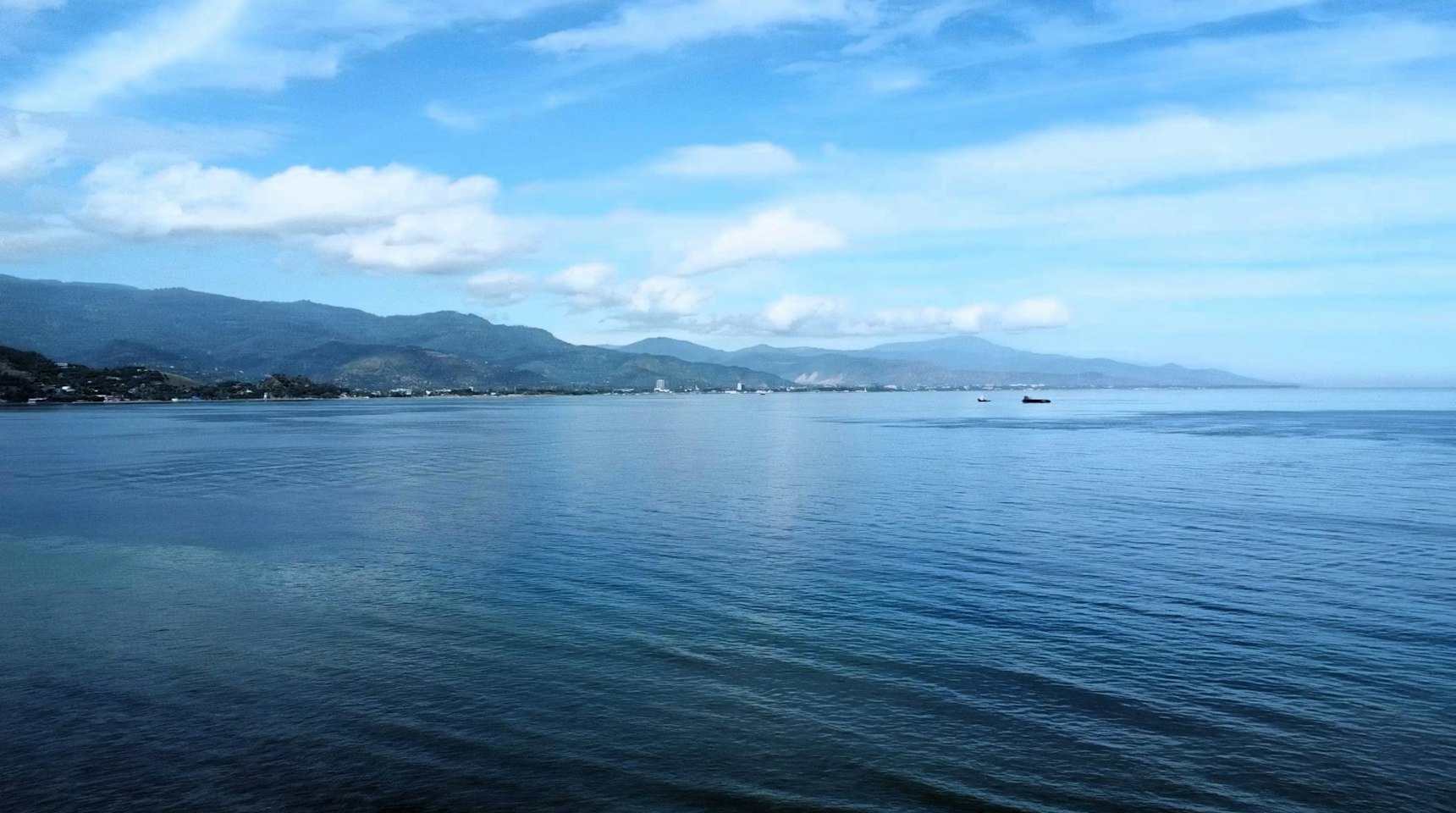
Most visitors arrive in Dili, the capital, which stretches along a bay facing Atauro Island. Walk or cycle along the waterfront, visit the Timorese Resistance Archive and Museum to learn about the country’s path to independence, and browse the Tais Market for traditional handwoven textiles.
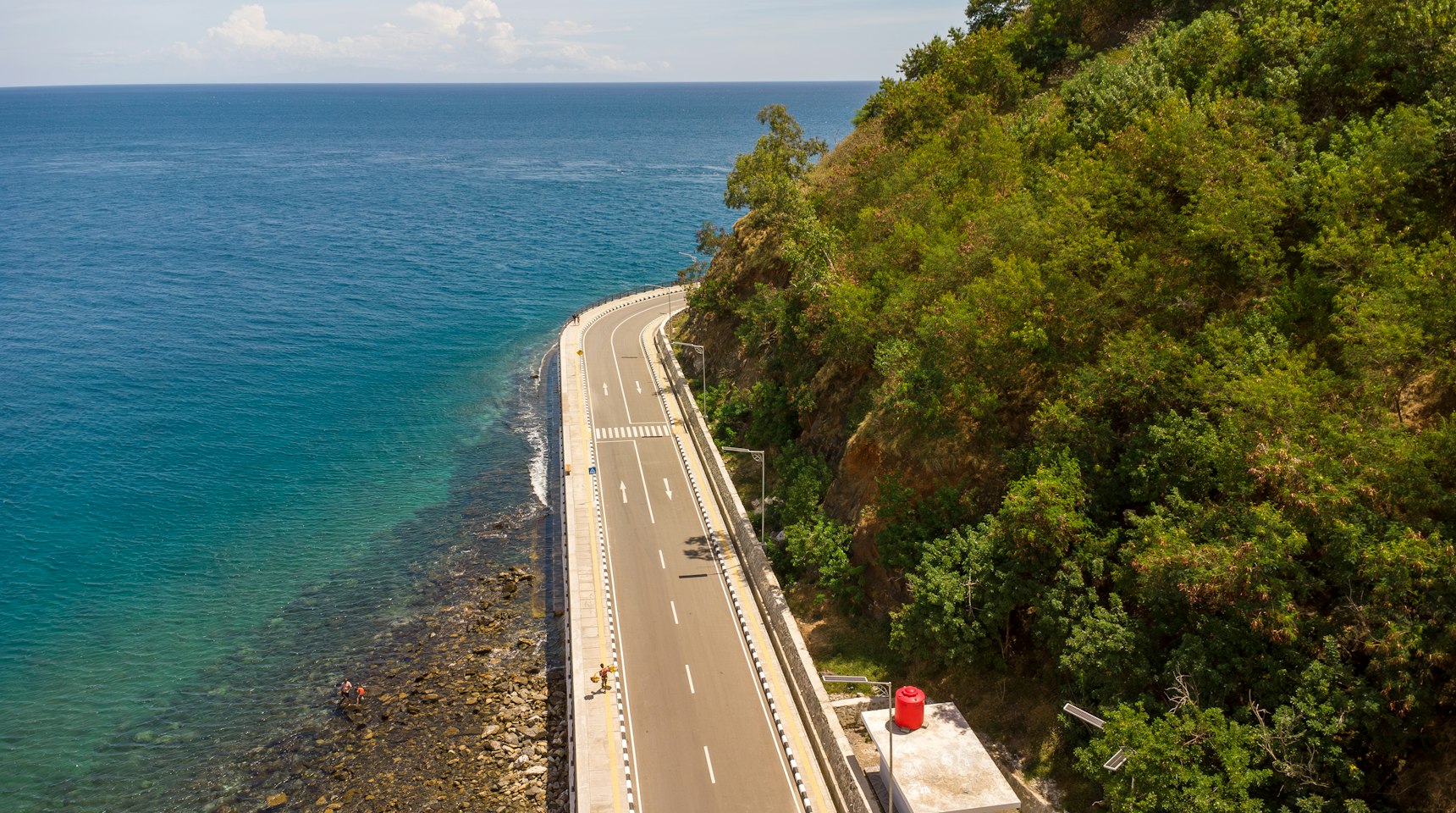
At the eastern end of the bay, the Cristo Rei statue stands on a headland above the sea. Climb the steps for wonderful views over the coastline, then cool off at the beaches below. Dili’s coastal road is also the starting point for some excellent shore dives and snorkelling spots just minutes from the city.
Diving and Snorkelling Around Atauro Island
Atauro Island, a short boat ride from Dili, is the highlight of many trips to Timor-Leste. Studies have recorded some of the highest numbers of reef fish species in the world in its waters, making it a dream destination for divers and snorkellers. Coral walls drop into the deep blue just off the beach, and you may spot turtles, reef sharks and large schools of fish.
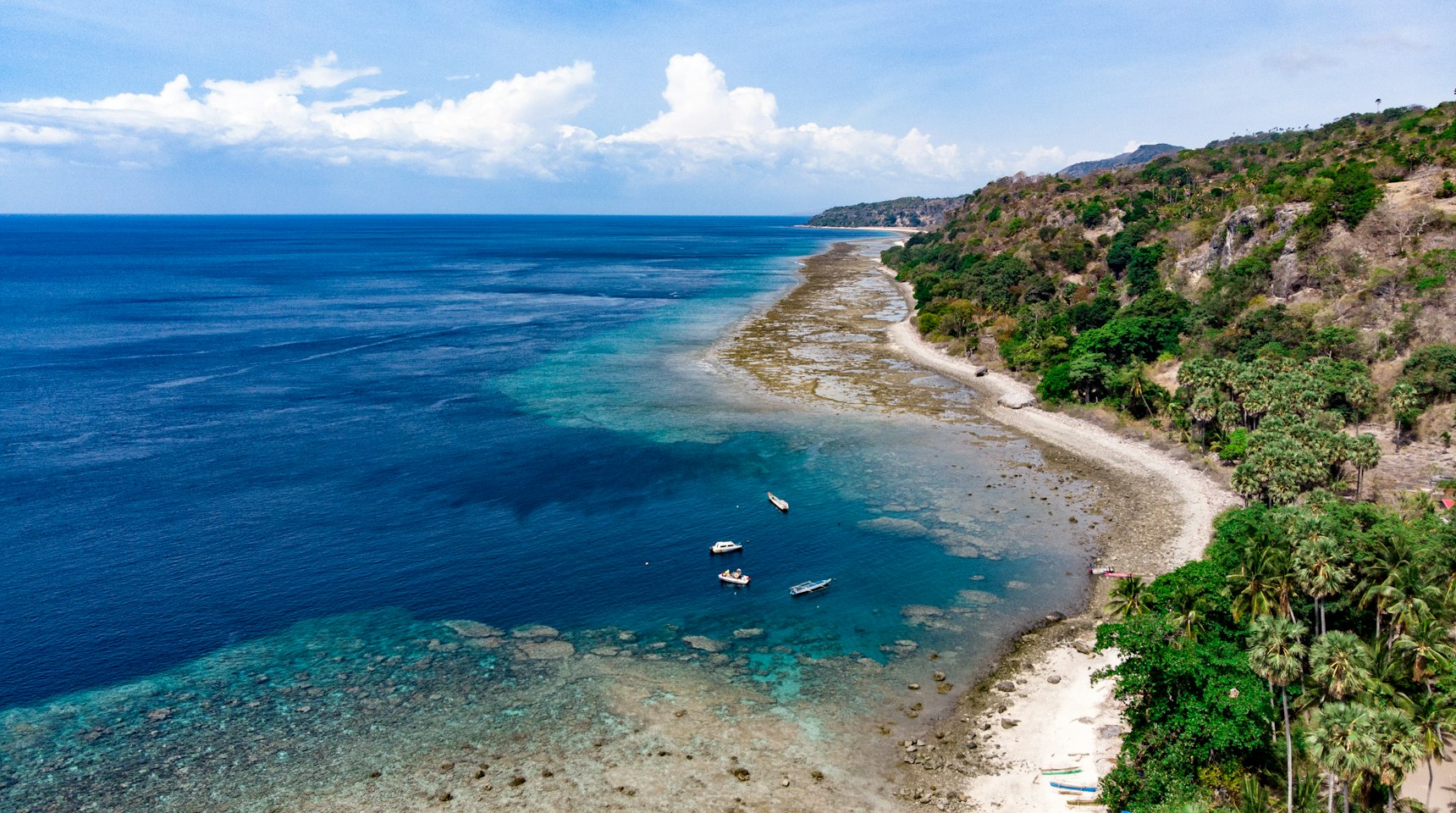
Fast boats and a slower public ferry connect Dili with Atauro, and simple eco-lodges and guesthouses offer accommodation on the island. Dive centres in Dili and on Atauro run trips for all levels, and the waters between Timor-Leste and Atauro are known for whale and dolphin sightings during their migration season.
Spend at least two nights on Atauro to enjoy it properly. Beyond the reefs, you can hike through the island’s hills to small villages, visit women’s cooperatives that make handcrafted dolls and textiles, and relax on quiet beaches with views back towards the mainland. Electricity and internet can be limited, so prepare to switch off and enjoy the slower pace.
Hiking Mount Ramelau
Mount Ramelau, also known as Tatamailau, is the highest mountain in Timor-Leste at nearly 3,000 metres. Most hikers start from the village of Hatubuilico in the early hours of the morning to reach the summit for sunrise, when the views stretch across the island to the sea on both sides on clear days. A statue of the Virgin Mary stands on the summit, and the mountain is an important pilgrimage site.
The hike takes around two to three hours to the top. Nights on the mountain are cold, so bring warm layers, a head torch and water. Hiring a local guide in Hatubuilico supports the community and helps you find the trail in the dark.
Exploring the Mountains and East Coast
Beyond Ramelau, the mountain town of Maubisse is surrounded by coffee plantations and offers cooler temperatures and beautiful views. Timorese coffee is highly regarded, and visiting a cooperative is a good way to learn about one of the country’s most important exports.
In the far east, the remote island of Jaco, part of Nino Konis Santana National Park, has white-sand beaches and clear water. It is considered sacred by local communities, so visitors usually travel there by day from Tutuala, where simple accommodation is available.
Timorese Culture and Etiquette
Timorese culture blends indigenous traditions with Portuguese Catholic heritage. Traditional sacred houses called uma lulik are found in many villages, and colourful tais textiles are woven for ceremonies and daily life. Tetum and Portuguese are the official languages, and learning a few words of Tetum is always appreciated.
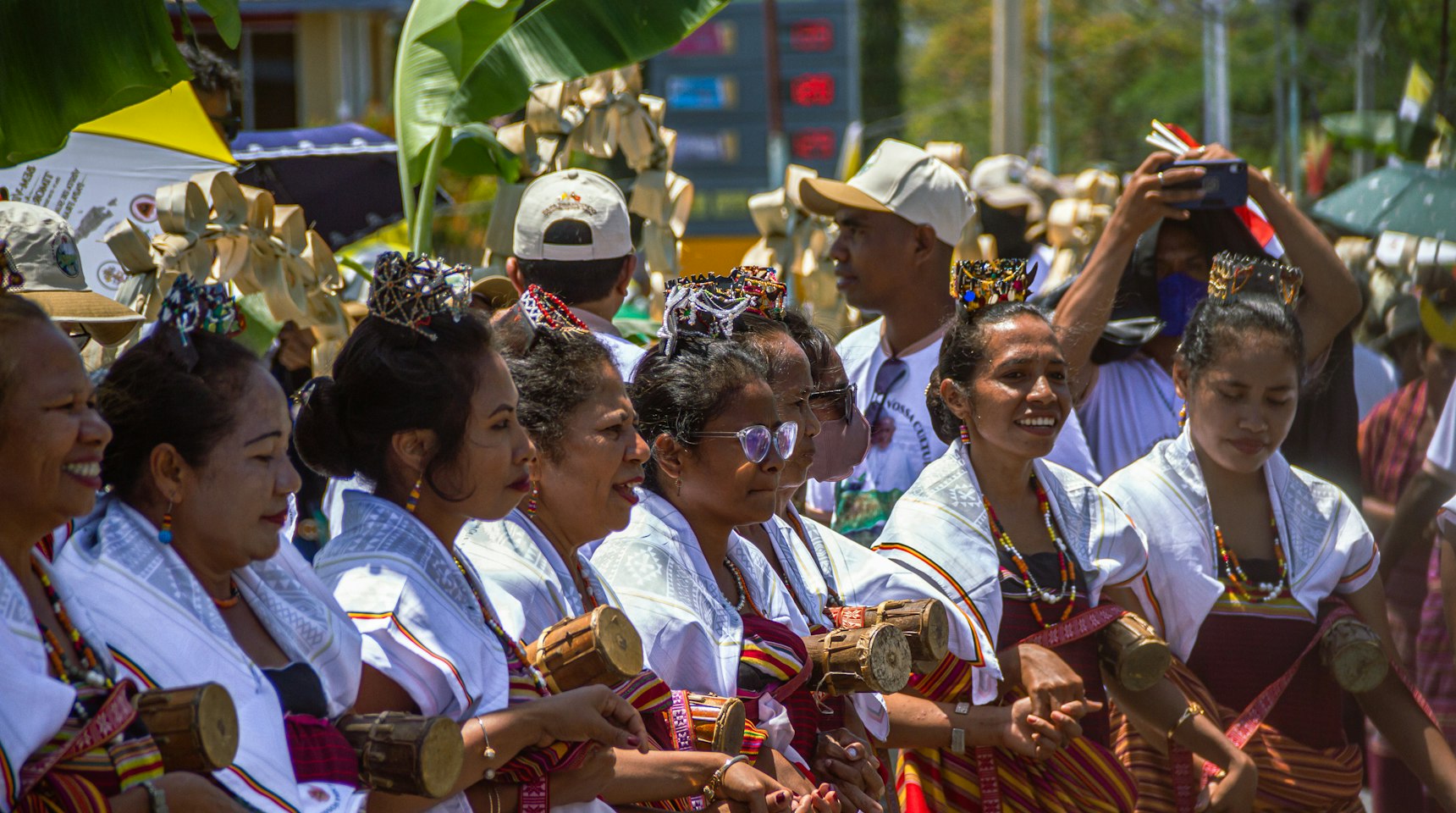
Dress modestly, especially outside Dili and when visiting churches or villages. Ask permission before photographing people, and respect sacred sites and local customs. Hospitality is warm, and a smile and a patient attitude go a long way.
Getting Around Timor-Leste
Roads outside Dili can be rough and winding, especially in the mountains and during the rainy season. Many travellers hire a four-wheel-drive vehicle with a driver, which is the safest and most comfortable option for long journeys. Local minibuses called microlets and larger buses connect towns but can be slow and crowded.
International flights arrive in Dili from destinations such as Bali, Darwin and Singapore. Timor-Leste uses the US dollar, and while there are ATMs in Dili, cash is essential in rural areas.
Safety and Practical Tips
Timor-Leste is generally welcoming to visitors, but take sensible precautions, avoid travelling at night on mountain roads and check current travel advice before your trip. Medical facilities are limited outside Dili, so comprehensive travel insurance that covers diving and evacuation is essential. Carry insect repellent, as mosquito-borne diseases such as dengue are present.
Visa arrangements vary by nationality, and many visitors can obtain a visa on arrival at Dili’s airport. Check the latest entry requirements with official sources before travelling.
Best Time to Visit Timor-Leste
The dry season from May to November is the best time for most adventures, with clearer roads and good diving conditions. The wet season from December to April can make some mountain roads impassable. For whale watching, visit from around October to December, when whales migrate through the waters off Dili and Atauro.
A week is enough to combine Dili, a few nights on Atauro and a trip into the mountains to hike Ramelau. With ten days or more, you can add Maubisse, the east coast and Jaco Island. Because tourism infrastructure is limited, book accommodation on Atauro and in the mountains in advance, and consider using a local tour operator to arrange transport, guides and permits. This also ensures more of your spending stays within local communities.
Final Thoughts on Timor-Leste Adventure
Timor-Leste is a destination for travellers who want to explore somewhere truly different. Dive the vibrant reefs of Atauro, watch the sunrise from Mount Ramelau and discover a young nation with a proud history and a warm welcome. For more ideas, explore our other Timor-Leste travel guides and start planning your adventure.