Italy is one of the most rewarding countries in the world to explore on your own. Its cities are compact and walkable, its trains connect almost every corner of the country, and its café culture makes it easy to sit alone with a coffee or a glass of wine and watch the world go by. Travelling solo in Italy gives you the freedom to linger in museums, follow your appetite and change plans whenever a hidden piazza or hill town catches your eye.
This guide covers everything you need to plan solo travel in Italy, from safety tips and the best cities for travelling alone to dining solo, meeting people and building a simple itinerary. Whether you are a first-time solo traveller or an experienced explorer, Italy offers the perfect mix of culture, beauty and comfort.
Why Italy Works Well for Solo Travellers
Italy has an excellent tourism infrastructure that makes independent travel straightforward. Trains are frequent, historic centres are best explored on foot and accommodation options range from social hostels to charming guesthouses. English is widely spoken in tourist areas, and learning a few Italian phrases goes a long way in building friendly connections with locals.
The country also offers endless opportunities to enjoy your own company. Italians place great value on daily rituals such as the morning coffee, the evening passeggiata stroll and long meals, and solo travellers can easily join in. Sitting in a piazza as the sun sets, people-watching over an aperitivo, is one of the simplest and most memorable experiences Italy has to offer.
Staying Safe in Italy
Italy is generally safe for solo travellers, including women travelling alone. The main concern is petty crime, especially pickpocketing in crowded areas such as train stations, busy buses, metro lines and famous landmarks. Keep your valuables secure, use a crossbody bag that closes, and be cautious of distractions, such as people asking you to sign petitions or offering to help with luggage or ticket machines.
At night, stick to well-lit, busy streets and use licensed taxis or ride-hailing apps if you are returning late. Women may occasionally experience unwanted attention, which is usually best handled by ignoring it and walking on confidently. As with anywhere, trust your instincts, keep copies of your important documents and make sure someone at home knows your plans.
The Best Cities for Solo Travel
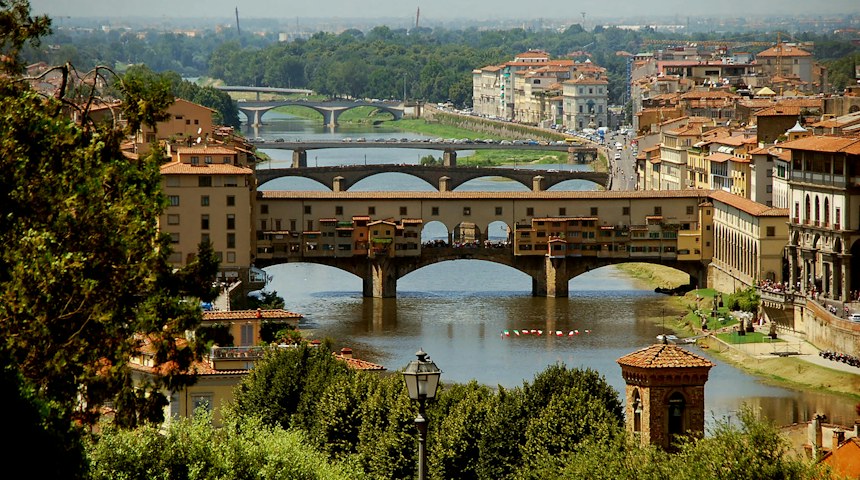
Florence is a favourite for solo travellers. It is small, safe and packed with art, so you can spend days visiting galleries, churches and workshops at your own pace. Rome offers an endless supply of history and lively neighbourhoods, and its hostels and walking tours make it easy to meet people. Bologna, known as the food capital of Italy, is a friendly university city with arcaded streets, lively bars and fantastic markets.
Venice is magical to explore alone, especially early in the morning or late in the evening when day-trippers have left and the canals are quiet. Milan offers fashion, design and a cosmopolitan atmosphere, while Naples is energetic and authentic, with incredible street food and easy access to Pompeii and the Amalfi Coast.
Eating Alone in Italy

Eating alone in Italy is common and comfortable. Many cafés and bars are designed for quick stops at the counter, where you can enjoy an espresso and a pastry for breakfast alongside locals. At lunch, trattorias and small osterias welcome single diners, and aperitivo hour in the early evening is a relaxed way to enjoy a drink and snacks while watching city life unfold.
If you prefer company, food tours and cooking classes are excellent ways to meet other travellers while learning about regional specialities. Markets such as the Mercato Centrale in Florence, Campo de’ Fiori in Rome and Bologna’s Quadrilatero are perfect for grazing and picking up picnic supplies. Do not be shy about asking for a table for one, as Italian hosts are usually welcoming to solo guests.
Getting Around Italy Solo
Italy’s rail network is one of the best ways to travel solo. High-speed trains connect major cities quickly and comfortably, while regional trains reach smaller towns and coastal villages. Booking high-speed trains in advance can save money, while regional train tickets have fixed prices. Keep your luggage close on trains and in stations, and remember to validate paper regional tickets before boarding.
Within cities, walking is often the best option, as most historic centres are compact. Buses and trams are useful for longer distances, while ferries and boats connect lakes and coastal towns. If you want to explore rural areas such as Tuscany or Puglia, consider joining small group tours or renting a car for a few days, keeping in mind that many historic centres have restricted traffic zones.
Meeting People Along the Way
Hostels are the easiest places to meet other travellers, especially in cities like Rome, Florence and Milan, where many organise social evenings, walking tours and pub crawls. Free walking tours are popular and a great way to learn about a city while making new friends. Language exchange events and activity apps can also help you connect with locals and fellow visitors.
Taking part in workshops or classes, such as pasta-making, wine tasting, painting or language lessons, is another rewarding way to meet people while learning something new. Even small interactions, such as chatting with your guesthouse host or a barista, can lead to great local recommendations and memorable experiences.
A Simple Solo Itinerary for Italy
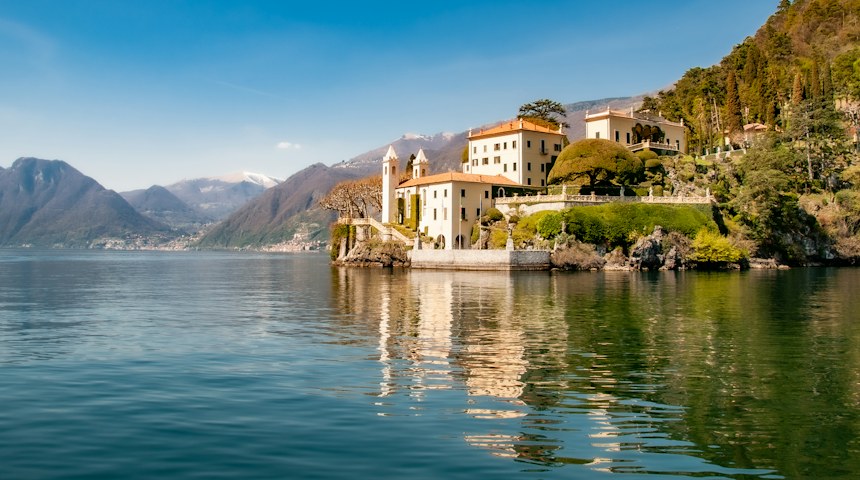
A classic first solo trip might start with four days in Rome, followed by three days in Florence with a day trip to Siena or Pisa, and three days in Venice. If you have more time, add Bologna for food lovers, Lake Como for scenery or Cinque Terre for coastal hiking. This route is easy to follow by train and provides a balanced mix of history, art, food and landscapes.
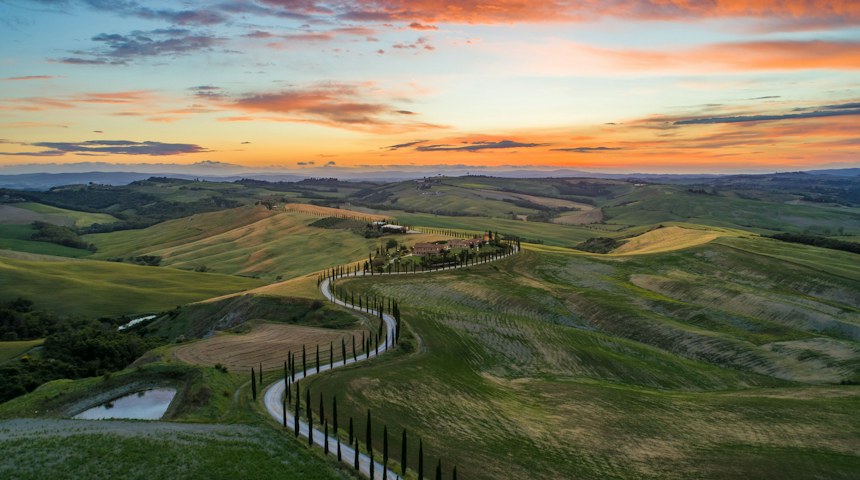
For a slower journey, consider basing yourself in Tuscany for a week, taking day trips by bus and train to hill towns such as San Gimignano, Montepulciano and Lucca. In the south, a combination of Naples, Sorrento and the Amalfi Coast offers dramatic scenery and vibrant culture. Allow plenty of time to rest, as solo travel can be more tiring when you are making every decision yourself.
To plan the rest of your journey, read our complete guide to Italy on a budget, with tips on trains, accommodation, food, free sights and a two-week itinerary through Rome, Florence and Venice.
Final Tips for Solo Travel in Italy
Pack light, as you will carry your own luggage on and off trains and up narrow staircases. Book accommodation in central, well-reviewed areas, and check whether city taxes apply. Dress respectfully when visiting churches by covering shoulders and knees, and carry some cash for smaller shops and cafés.
Most of all, enjoy the freedom of travelling alone in a country that celebrates beauty, food and the art of living. Italy has a way of making solo travellers feel at home. For more ideas and inspiration, explore our other Italy travel guides and start planning your journey.