Italy is often seen as an expensive destination, with its world-famous museums, romantic cities and celebrated food. Yet with a little planning, Italy on a budget is entirely achievable. Many of the country’s greatest pleasures cost very little: wandering through medieval streets, sipping espresso at a bar counter, admiring Renaissance churches, watching the sun set over the hills of Tuscany or eating a slice of freshly made pizza. The secret is knowing where your money goes and making smart choices that let you enjoy more for less.
This guide shares practical advice on the best times to visit, how to save on transport and accommodation, how to eat well cheaply, and which free and low-cost experiences deserve a place on your itinerary. Whether you are planning a whirlwind tour of Rome, Florence and Venice or a slower journey through smaller towns, these tips will help you stretch your budget.
When to Visit Italy for the Best Value
Timing makes a huge difference to the cost of a trip to Italy. Summer, especially July and August, brings peak prices, intense heat and large crowds in the major cities and coastal areas. Easter and the main holiday periods are also expensive. In contrast, the shoulder seasons of April to early June and September to October offer pleasant weather, lower accommodation prices and a more relaxed atmosphere.
Winter, outside the Christmas and New Year holidays, is the cheapest time to visit the big cities. Rome, Florence and Venice are quieter, museums have shorter queues and hotel prices drop significantly. While some coastal resorts close for the season, the cities remain lively, and seasonal foods such as truffles, chestnuts and hearty pasta dishes make winter a delicious time to travel.
Getting Around Italy Cheaply
Italy has an excellent rail network, and trains are often the most convenient way to travel between cities. High-speed trains operated by Trenitalia and Italo connect Rome, Florence, Venice, Milan and Naples, and booking in advance can unlock significantly cheaper fares. Regional trains are slower but much cheaper, with fixed prices that do not increase closer to the departure date, making them ideal for shorter journeys between nearby towns.
Long-distance buses are another budget-friendly option, often costing less than trains, especially for routes that are not served by high-speed lines. In cities, walking is the best way to explore, as historic centres are compact and full of surprises around every corner. When you do use public transport, buy tickets before boarding and validate them where required to avoid fines.
Where to Stay on a Budget
Accommodation is usually the biggest expense in Italy, so it pays to choose carefully. Hostels in Rome, Florence, Venice and Milan offer dorm beds and private rooms at reasonable prices, and many are modern and social. Family-run guesthouses, known as pensioni or affittacamere, and bed and breakfasts often provide better value than hotels, along with friendly hosts who can share local tips.
Staying just outside the most famous areas can also save money. In Venice, many budget travellers stay in Mestre on the mainland, a short train or bus ride from the historic centre. In Florence and Rome, neighbourhoods slightly further from the main sights are cheaper and often more authentic. Agriturismi, farm stays in the countryside, can be surprisingly affordable and offer home-cooked meals made with local produce.
Eating Well for Less

Italian food does not need to be expensive to be excellent. Pizza al taglio, sold by the slice, is a cheap and filling lunch, and bakeries offer focaccia, sandwiches and pastries at low prices. Markets are perfect for picking up fresh fruit, cheese, bread and cured meats for a picnic in a park or piazza. Many bars serve aperitivo in the early evening, where buying a drink includes access to snacks or a small buffet.
Coffee is another area where you can save. Drinking an espresso standing at the bar is much cheaper than sitting at a table, particularly in tourist areas. Avoid restaurants with touts outside and picture menus on main squares, and instead walk a few streets away to find trattorias filled with locals. Set lunch menus are often excellent value, and tap water from public fountains, known as nasoni in Rome, is safe and free.
Saving Money in Rome
Rome is packed with free attractions. Admire the Trevi Fountain, the Spanish Steps, the Pantheon and Piazza Navona without spending a cent, and explore the many beautiful churches that house masterpieces by artists such as Caravaggio and Bernini. Wandering through the neighbourhoods of Trastevere and Monti is one of the best ways to experience everyday Roman life.
For paid sights, consider which ones matter most to you and book tickets online to avoid queues. Many state museums offer free entry on certain days, including the first Sunday of the month at many sites, although these days can be very busy. The Vatican Museums also have free entry on specific days, but expect long queues and arrive early.
Florence and Venice on a Budget
Florence is compact and walkable, and much of its beauty can be enjoyed for free. Stroll across the Ponte Vecchio, admire the exterior of the Duomo, explore the Oltrarno district and climb up to Piazzale Michelangelo for a panoramic view of the city at sunset. If you want to visit the Uffizi or the Accademia, book in advance and plan your visit carefully to make the most of your ticket.
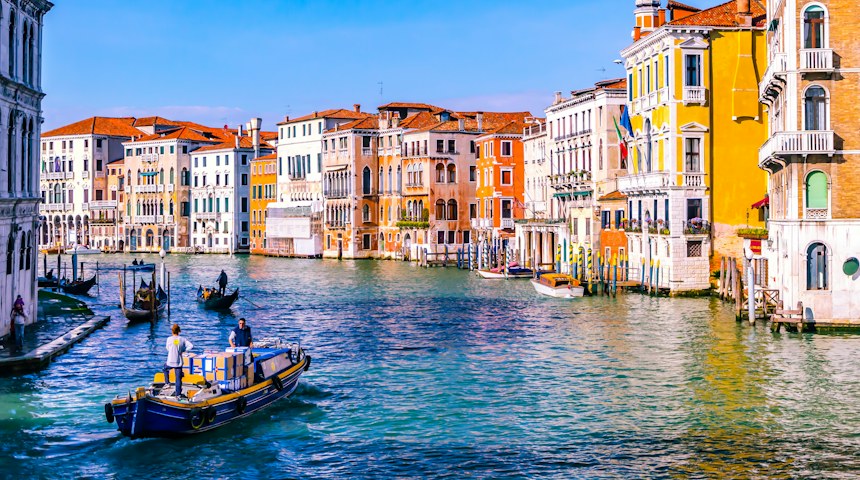
Venice can be expensive, but it is also one of the most rewarding cities for walking. Get lost in the quiet backstreets of Cannaregio and Castello, ride the vaporetto along the Grand Canal instead of taking a gondola, and enjoy cicchetti, small snacks served in traditional bars called bacari. Remember that Venice has introduced an access fee for day-trippers on certain peak days, so check the latest rules before you visit.
Exploring the Countryside and Smaller Towns
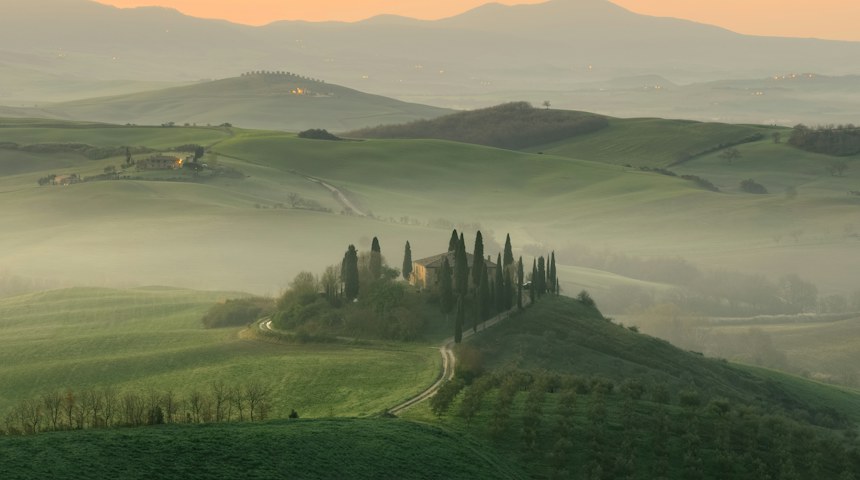
Some of the best value in Italy is found outside the big cities. Tuscany’s hill towns, such as Siena, Lucca and San Gimignano, offer beautiful architecture and scenery at lower prices than Florence. Umbria, Emilia-Romagna, Puglia and Sicily are excellent regions for budget travellers, with fantastic food, rich history and fewer crowds.
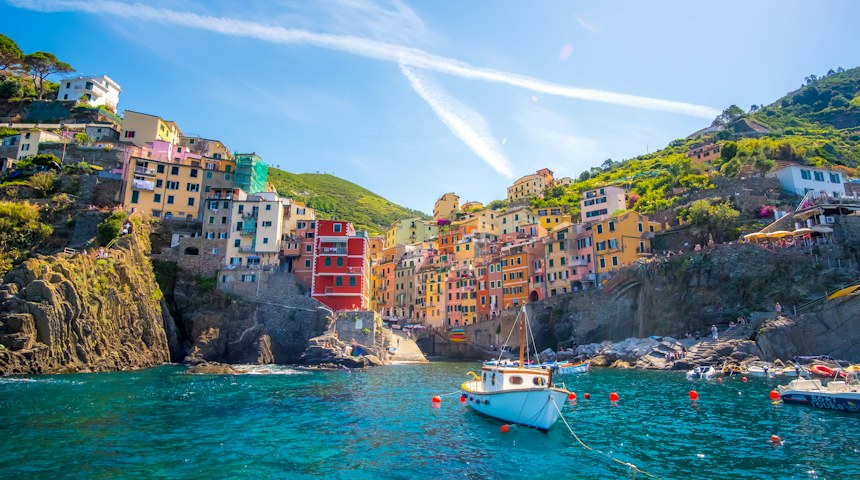
The Cinque Terre villages on the Ligurian coast can be visited cheaply by using regional trains and walking the coastal trails, some of which require a pass. Staying in nearby towns such as La Spezia or Levanto rather than the villages themselves can save money. In the south, Naples offers some of the cheapest and best pizza in the country, and it is a great base for visiting Pompeii.
A Sample Daily Budget for Italy
Costs in Italy vary widely by city and season, so it helps to think in terms of travel styles rather than fixed numbers. A backpacker staying in hostel dorms, eating pizza al taglio, market picnics and set lunches, and focusing on free sights can travel on a modest daily budget, especially outside Venice and the Amalfi Coast. A mid-range traveller staying in simple private rooms or guesthouses, enjoying a sit-down dinner each evening and paying for a museum or two each day should expect to spend roughly double that amount.
Remember to add city taxes, which are charged per person per night in most Italian cities and vary depending on the type of accommodation. Major museum tickets, such as the Vatican Museums, the Uffizi or the Colosseum, are the biggest daily expense for many visitors, so plan which ones matter most to you. Long-distance train fares can be kept low by booking high-speed tickets early, while regional trains offer fixed prices and are always good value.
A Two-Week Budget Itinerary
A classic two-week route on a budget starts in Rome, where four days allow you to see the ancient sites, the Vatican and the lively neighbourhoods of Trastevere and Monti. Take a regional or advance-purchase high-speed train to Florence and spend three days exploring its art, markets and viewpoints, with a day trip by bus or train to Siena or Lucca, which are cheaper places to eat and sleep than Florence itself.
Continue to Bologna for two days of excellent and affordable food, then travel to Venice, staying on the mainland in Mestre to save money while visiting the historic centre each day. Finish with two or three days in the Cinque Terre or on Lake Garda, using regional trains and ferries. This route keeps transport simple and lets you experience Italy’s highlights without rushing or overspending.
Common Budget Mistakes to Avoid
Many travellers overspend in Italy because of a few avoidable mistakes. Sitting down at a café on a famous square can cost several times more than standing at the bar, and restaurants with menus in many languages and staff calling you in from the street are rarely good value. Taking taxis between sights that are only a short walk apart and buying bottled water instead of refilling at public fountains also add up quickly.
Another common mistake is trying to see too many places in a short time. Each city change brings transport costs, luggage hassle and check-in times, and you end up paying more to see less. Choosing fewer bases and taking day trips is cheaper and far more relaxing. Finally, forgetting to validate regional train tickets can lead to fines, so always check the rules before boarding.
Frequently Asked Questions About Italy on a Budget
Is Italy expensive to visit? Italy can be expensive in peak season and in the most famous destinations, but it is very affordable if you travel outside summer, stay slightly outside historic centres, eat where locals eat and focus on free sights. Southern regions such as Puglia, Sicily and Campania are generally cheaper than the north.
What is the cheapest way to travel between Italian cities? Regional trains and long-distance buses are usually the cheapest options. High-speed trains can also be inexpensive if booked well in advance, and they save a lot of time on longer routes such as Rome to Venice or Milan.
Which Italian city is best for budget travellers? Bologna, Naples and the smaller cities of Tuscany and Umbria offer some of the best value, with excellent food, rich history and lower accommodation prices than Rome, Florence or Venice.
Do I need to tip in Italy? Tipping is not expected in the same way as in some countries. A coperto, or cover charge, is often added to restaurant bills, and rounding up or leaving a small amount for excellent service is appreciated but optional.
More Italy Travel Guides
If you are planning your first visit to the capital, our Rome in 3 days itinerary shows how to see the Colosseum, the Vatican and Trastevere on a budget. Travelling alone? Our guide to solo travel in Italy covers safety, the best cities and eating alone with confidence.
For adventure in the mountains, read our Dolomites hiking guide with the best trails, huts and via ferrata routes. And if you want to treat yourself to a few nights of luxury, our luxury Amalfi Coast guide reveals the best places to stay, dine and sail in style.
Final Tips for Italy on a Budget
Plan a realistic itinerary with fewer destinations, as travelling slowly reduces transport costs and helps you enjoy each place more. Carry a reusable water bottle, use contactless cards to avoid currency exchange fees, and check whether a city tax will be added to your accommodation bill. Above all, embrace the Italian way of life, which values simple pleasures such as good food, conversation and a stroll at dusk.
Italy rewards travellers who take their time and look beyond the obvious. With a little planning, you can enjoy its art, history and cuisine without overspending. For more inspiration, explore our other Italy travel guides and start planning your trip today.