Vietnam is one of the best-value destinations in Asia. For the price of a single night in a European capital, you can eat a week of steaming noodle soups, ride overnight trains past rice paddies and cruise among the limestone islands of Ha Long Bay. The country stretches more than 1,600 kilometres from north to south, which makes it perfect for a long, slow journey that links mountain towns, historic cities and tropical beaches.
This guide follows the classic north-to-south route from Hanoi to Ho Chi Minh City and focuses on how to keep costs low without missing the highlights. You will find advice on where to go, how to get around, what to eat and how much to budget each day, so you can plan a trip that stretches every dong as far as possible.
Planning Your Route Through Vietnam
Most travellers fly into Hanoi or Ho Chi Minh City and travel the length of the country in one direction, which avoids doubling back. Two weeks is enough to see Hanoi, Ha Long Bay or Ninh Binh, Hue, Hoi An and Ho Chi Minh City at a comfortable pace. With three or four weeks you can add the northern mountains around Sapa or Ha Giang, the beaches of Quy Nhon or Nha Trang, and the Mekong Delta.
Check visa rules before you go. Vietnam offers an e-visa to visitors of all nationalities, valid for up to 90 days, and some nationalities can enter visa-free for shorter stays. Apply only through the official government portal to avoid paying inflated fees to third-party agents.
Hanoi: Street Food and Old Quarter Charm
Hanoi is chaotic, atmospheric and wonderfully cheap. Base yourself in or near the Old Quarter, where guesthouses and hostels offer dorm beds and simple private rooms at low prices, and most sights are within walking distance. Spend your days wandering around Hoan Kiem Lake, visiting the Temple of Literature and sitting on low plastic stools with a glass of iced tea while the motorbikes roar past.
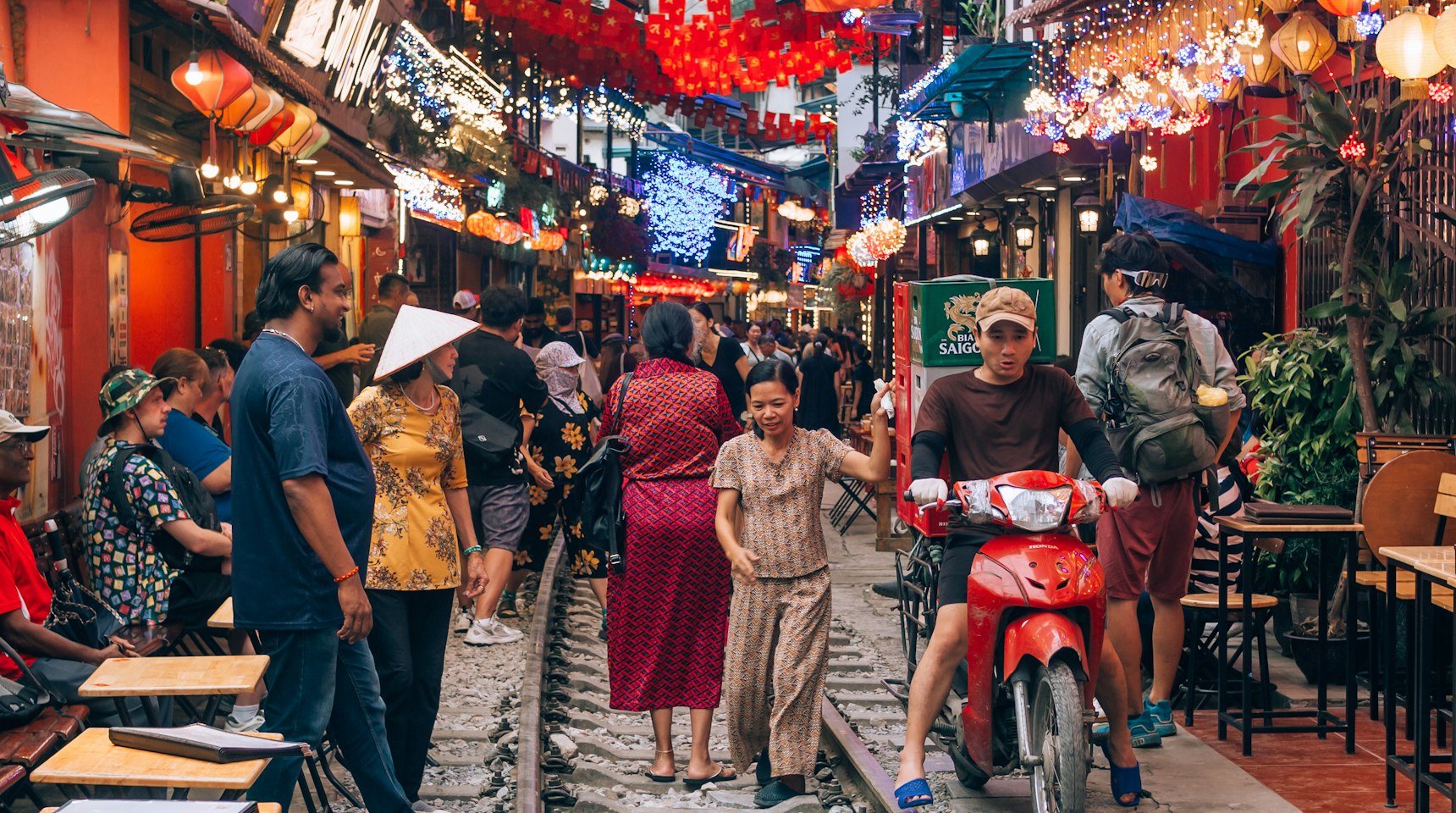
Free and low-cost experiences are everywhere. The weekend walking streets around the lake close to traffic on Friday to Sunday evenings, and many museums charge only a small entrance fee. Join a free walking tour run by local students for an easy introduction to the city’s history and food.
Ha Long Bay and Ninh Binh on a Budget
Ha Long Bay’s thousands of limestone islands are one of Vietnam’s most famous sights, but cruises vary hugely in price and quality. For the best value, compare a one-night cruise with a mid-range operator rather than the very cheapest option, which often cuts corners on food and safety. Alternatively, base yourself on Cat Ba Island and explore nearby Lan Ha Bay by day boat and kayak, which is usually cheaper and less crowded.
Ninh Binh, around two hours south of Hanoi, offers similar karst scenery on land. Rent a bicycle or motorbike, take a rowing-boat trip through the caves of Trang An or Tam Coc, and climb the steps at Hang Mua for sweeping views over the rice fields.
Hue and Hoi An: History in Central Vietnam
The former imperial capital of Hue is home to the Citadel, royal tombs and pagodas along the Perfume River. A combined ticket covers several major sites, and cycling between them is a cheap and pleasant way to spend a day. Do not miss bun bo Hue, the city’s spicy beef noodle soup.
From Hue, the drive over the Hai Van Pass to Hoi An is one of the most scenic routes in the country. Many travellers ride it on a motorbike tour that carries their luggage separately, or take the train for coastal views at a lower price.
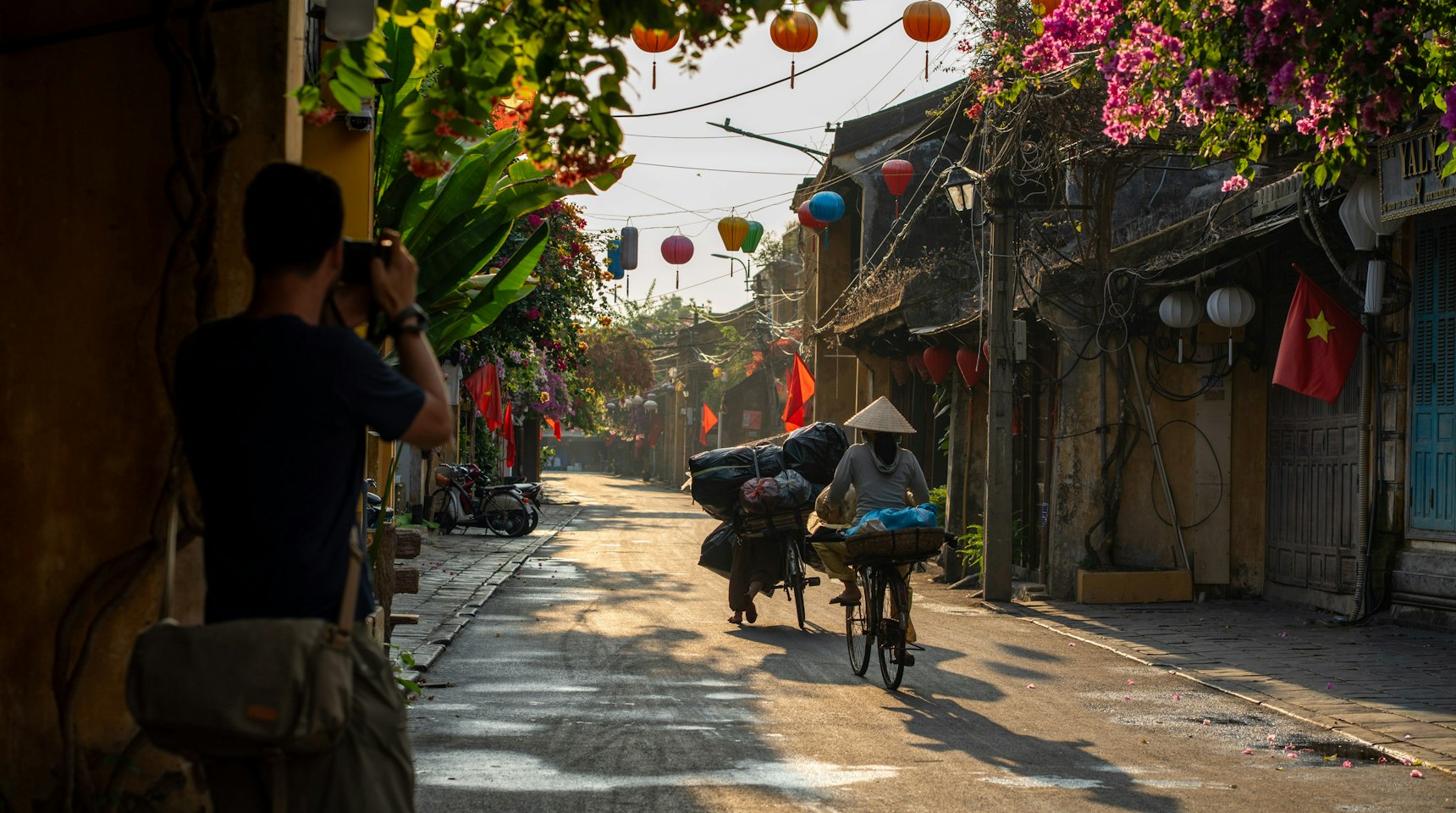
Hoi An’s Ancient Town, a UNESCO World Heritage Site, is filled with lantern-lit streets, old merchant houses and riverside cafes. A ticket gives access to a selection of historic buildings, but simply walking the streets at dusk is free. Rent a bicycle for a few dollars a day and ride out to An Bang Beach or through the surrounding rice fields.
Ho Chi Minh City and the Mekong Delta
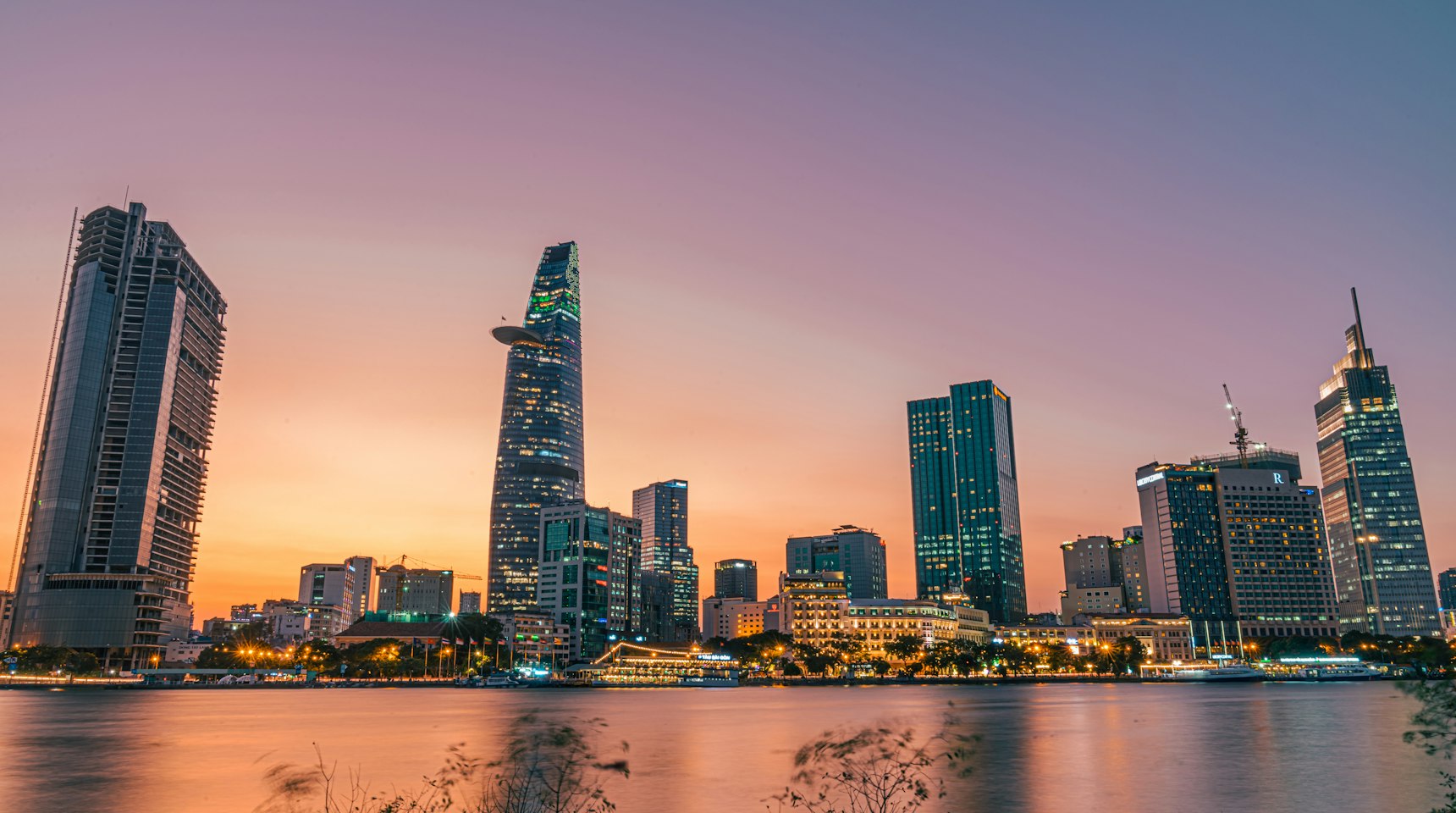
Ho Chi Minh City, still widely called Saigon, is Vietnam’s energetic commercial hub. Visit the War Remnants Museum, the Central Post Office and Ben Thanh Market, and explore the city’s rooftop bars and alleyway cafes. District 1 has the most backpacker accommodation, while District 3 offers a more local feel.
From the city, the Mekong Delta is an easy day or overnight trip. Independent travel to towns such as Can Tho or Ben Tre is often cheaper and more authentic than large group tours, and it lets you visit floating markets early in the morning before the crowds arrive.
Getting Around Vietnam Cheaply
Vietnam has an extensive network of buses, trains and low-cost flights. Overnight sleeper buses are the cheapest way to cover long distances and save you a night’s accommodation, although the reclining berths can feel cramped for taller travellers. The Reunification Express railway is slower but more comfortable, with soft sleeper cabins that are ideal for routes such as Hanoi to Hue.
Domestic budget airlines connect Hanoi, Da Nang and Ho Chi Minh City, and fares can be very low if you book ahead and travel with hand luggage only. In cities, use ride-hailing apps such as Grab for transparent prices on motorbike taxis and cars.
Eating Well for Less
Street food is one of the great joys of travelling in Vietnam, and it is also the best way to save money. A bowl of pho, a banh mi sandwich or a plate of com tam broken rice typically costs very little, and busy stalls with a high turnover of local customers are usually the safest choices.
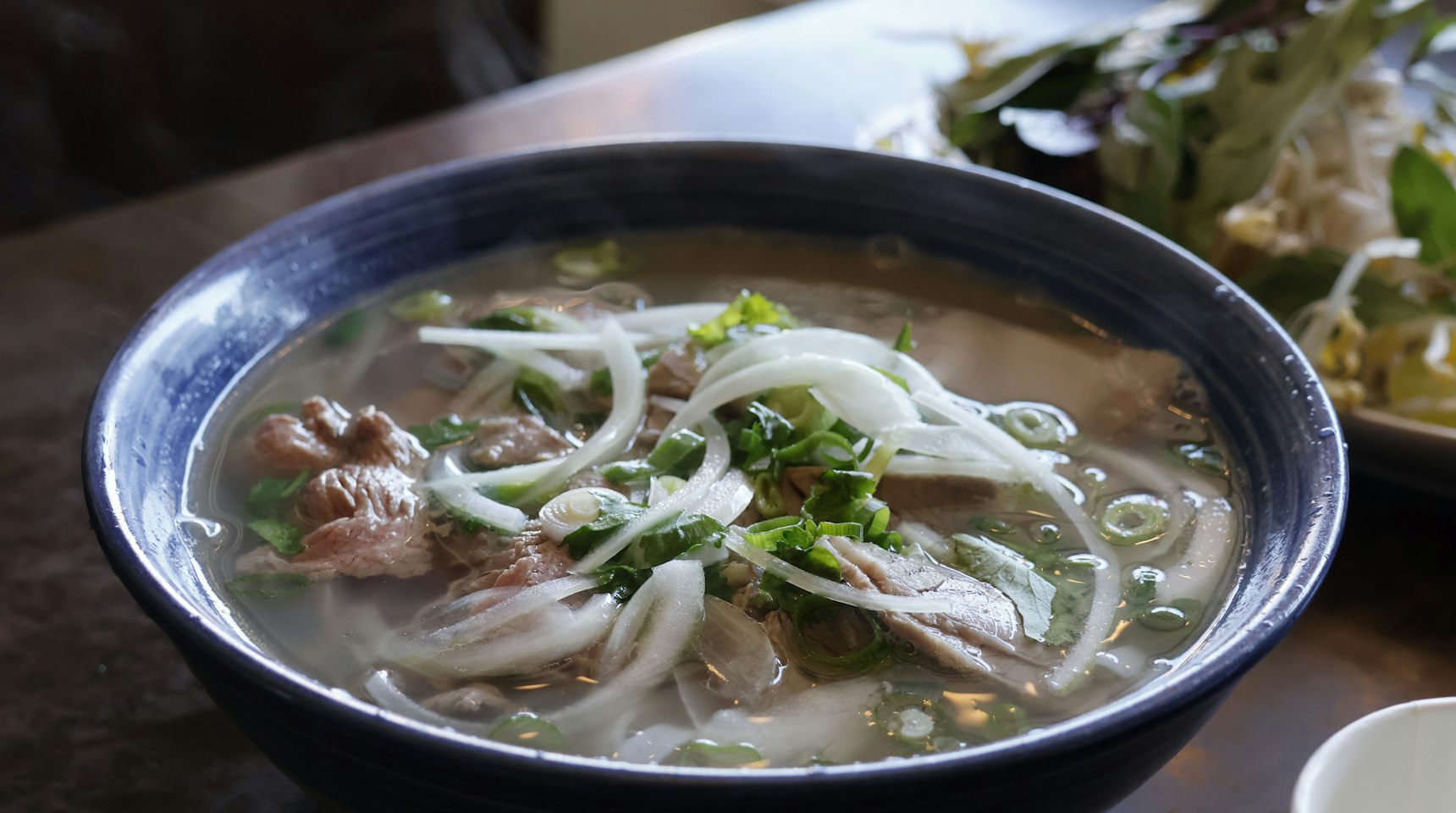
Try regional specialities as you travel: bun cha grilled pork in Hanoi, cao lau noodles in Hoi An and hu tieu noodle soup in the south. Fresh sugarcane juice, Vietnamese iced coffee with condensed milk and local beer are all inexpensive, while imported drinks and western restaurants can quickly double your daily spend.
Daily Budget for Vietnam
Vietnam remains very affordable compared with many destinations. Backpackers staying in dorms, eating street food and using buses can travel on roughly 25 to 35 US dollars per day. A mid-range traveller staying in private rooms with air conditioning, taking a few tours and eating in casual restaurants should allow around 50 to 80 US dollars per day.
Your biggest costs will usually be the Ha Long Bay cruise, domestic flights and organised tours. Save money by booking tours locally rather than online in advance, carrying a reusable water bottle to fill at hostels, and withdrawing larger amounts from ATMs to reduce fees.
Best Time to Visit Vietnam
Vietnam’s weather varies by region, so there is always somewhere with good conditions. The north is cool and sometimes misty from December to February and hot and humid in summer. Central Vietnam is best from February to August, while the rainy season from September to December can bring storms and flooding. The south is warm year-round, with a dry season from December to April.
Travelling in the shoulder months of March to May or September to November often brings lower prices and fewer crowds. Avoid travelling over Tet, the Lunar New Year, unless you book transport well in advance, as many businesses close and buses and trains fill up quickly.
Final Thoughts on Vietnam on a Budget
Vietnam rewards budget travellers with spectacular scenery, a rich history and some of the most delicious and affordable food in the world. Plan a route that flows from north to south, mix sleeper buses with the occasional train or flight, and eat where the locals eat. For more ideas, explore our other Vietnam travel guides and start planning your journey down the coast.