Myanmar is home to some of the most extraordinary sights in Asia: thousands of ancient temples spread across the plains of Bagan, fishermen balancing on one leg on Inle Lake, and the golden Shwedagon Pagoda glowing above Yangon. For solo travellers, it has long been a destination of deep cultural immersion and genuine warmth from local people.
However, Myanmar is also a country facing serious challenges. Since 2021 it has experienced political turmoil and armed conflict, and a major earthquake in 2025 caused heavy damage in central areas. This guide introduces the country’s highlights and offers practical advice for solo travellers, but the most important step is to check the current situation and official travel advice before making any plans.
Check the Current Situation Before You Go
Safety conditions in Myanmar can change quickly, and many governments currently advise against all or some travel to the country. Before booking, read the latest travel advice from your government, check whether your travel insurance will cover you, and follow recent news from reliable sources. Some regions are closed to foreigners or unsafe to visit, and entry rules, flights and visa arrangements may change at short notice.
If you do decide to travel, keep your plans flexible, register with your embassy if that service is available, and stay in regular contact with someone at home. Many experienced travellers choose to wait until conditions improve, and there is no shame in postponing a trip until it is safe.
Why Myanmar Appeals to Solo Travellers
When conditions allow, Myanmar offers solo travellers a rare sense of discovery. Tourism has always been less developed than in neighbouring Thailand, so encounters with local people often feel more personal. Monks may stop to practise their English, tea shop owners may invite you to sit and chat, and you will rarely feel like just another face in a crowd.
Travelling alone also makes it easier to take part in local life, from joining a pagoda festival to sharing a table at a busy noodle stall. A local guide can add valuable context, especially around history and current events, and booking through locally owned businesses helps ensure your money supports communities.
Bagan: Temples Across the Plains
Bagan is one of the great archaeological sites of Asia, with more than 2,000 temples and pagodas scattered across a wide plain beside the Ayeyarwady River. Built mainly between the 11th and 13th centuries, they range from tiny brick stupas to vast temples such as Ananda and Dhammayangyi. Bagan was inscribed as a UNESCO World Heritage Site in 2019.
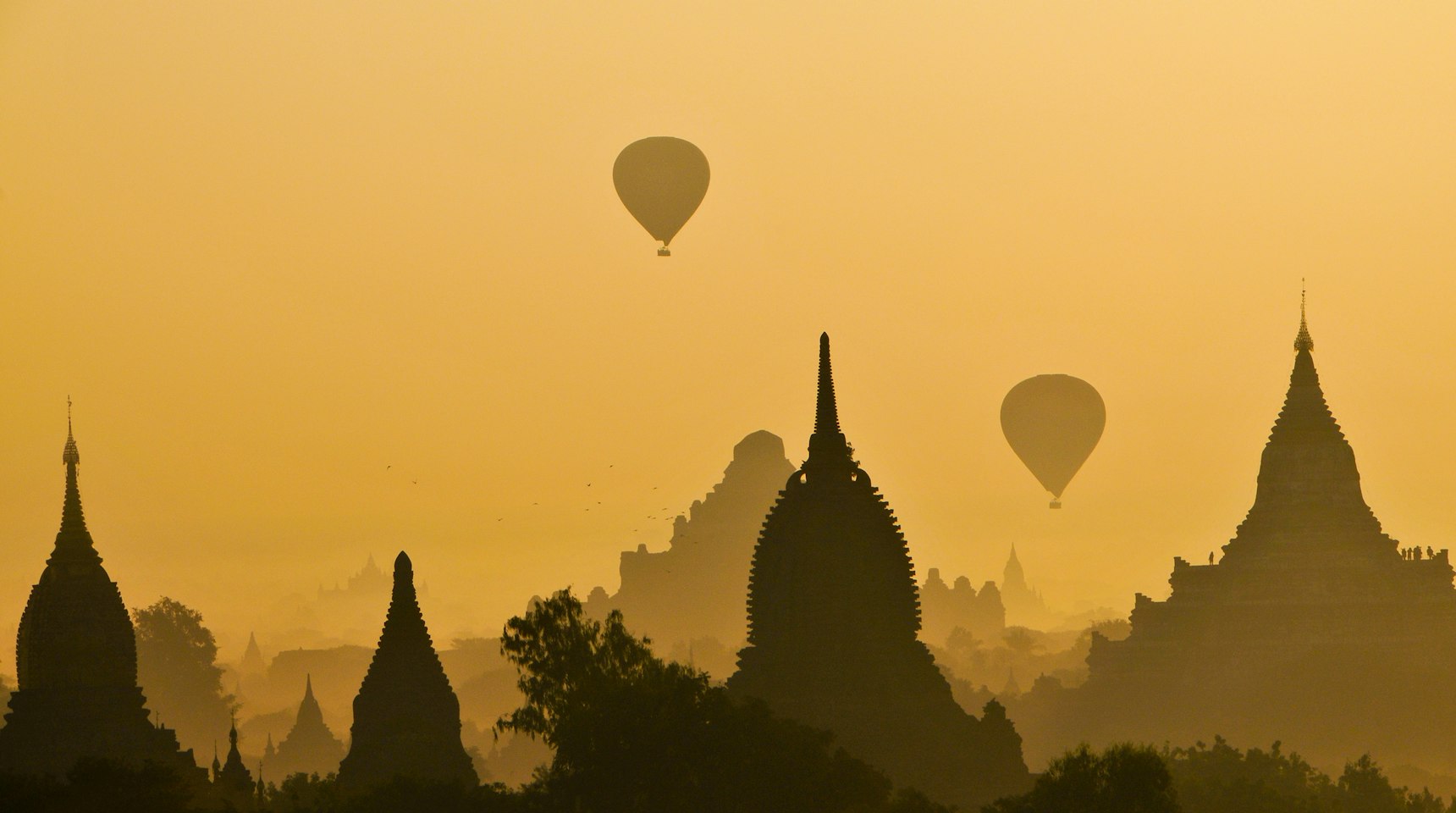
Exploring by e-bike or bicycle lets you discover quiet temples at your own pace. Climbing on most temples is no longer permitted to protect the monuments, but designated viewing mounds offer views at sunrise and sunset. In the dry season, hot air balloon flights over the temples are a memorable, if expensive, experience when they are operating.
Inle Lake: Life on the Water
Inle Lake, in the Shan Hills, is known for its stilt-house villages, floating gardens and the Intha fishermen who row with one leg wrapped around the oar. A full-day boat trip from Nyaungshwe visits markets, monasteries, weaving workshops and the floating gardens where tomatoes and other crops grow on beds of water hyacinth.
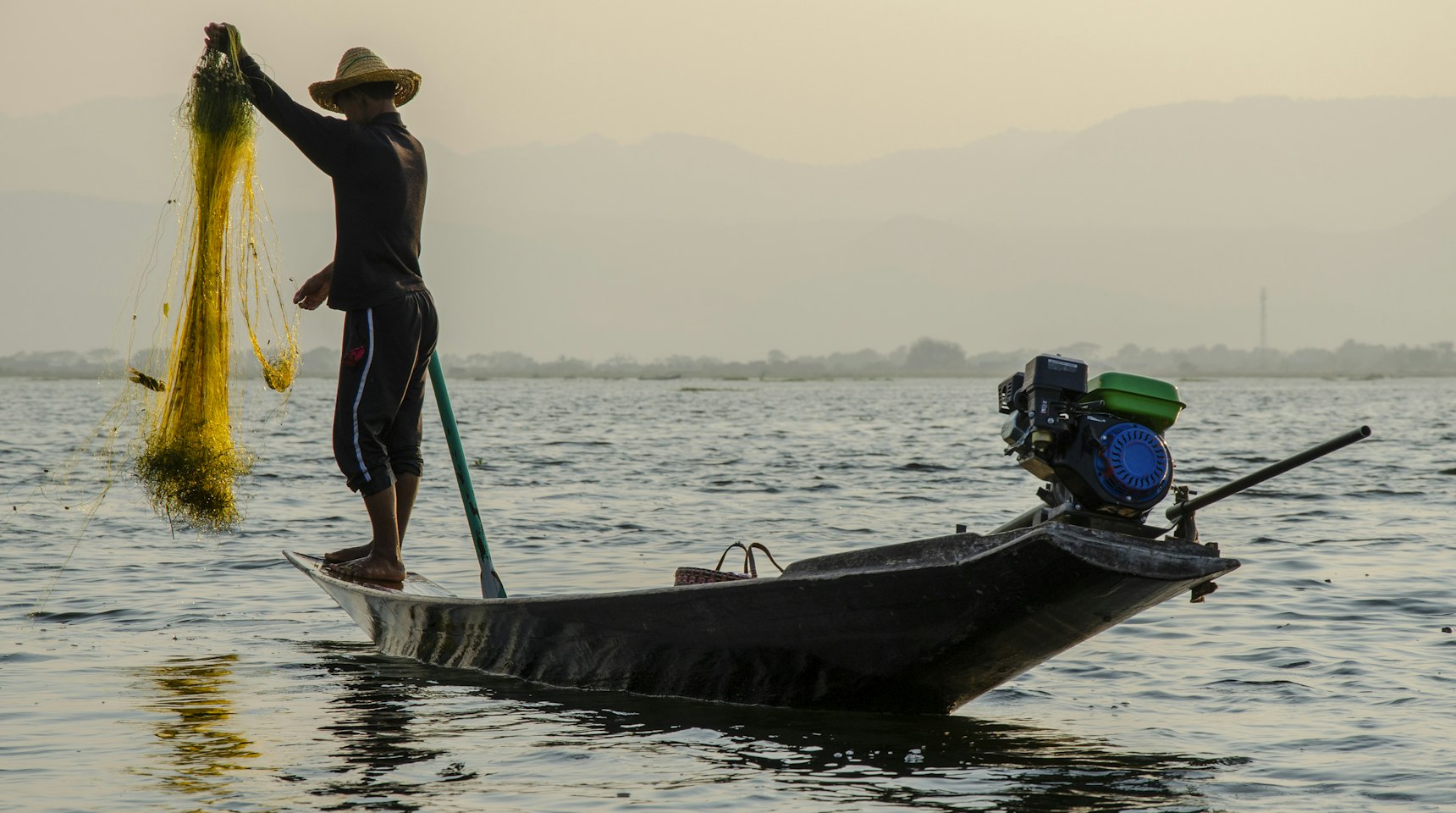
Solo travellers can easily share a boat with others to reduce costs, and guesthouses in Nyaungshwe can help arrange this. Trekking between Kalaw and Inle Lake through Shan and Pa-O villages has historically been a popular multi-day hike, but always check whether routes are open and safe before going.
Yangon and the Shwedagon Pagoda
Yangon, the country’s largest city, is home to the Shwedagon Pagoda, Myanmar’s most sacred Buddhist site. Its gilded stupa rises nearly 100 metres above the city and is especially beautiful at dusk, when the gold glows and pilgrims light candles and walk clockwise around the base.
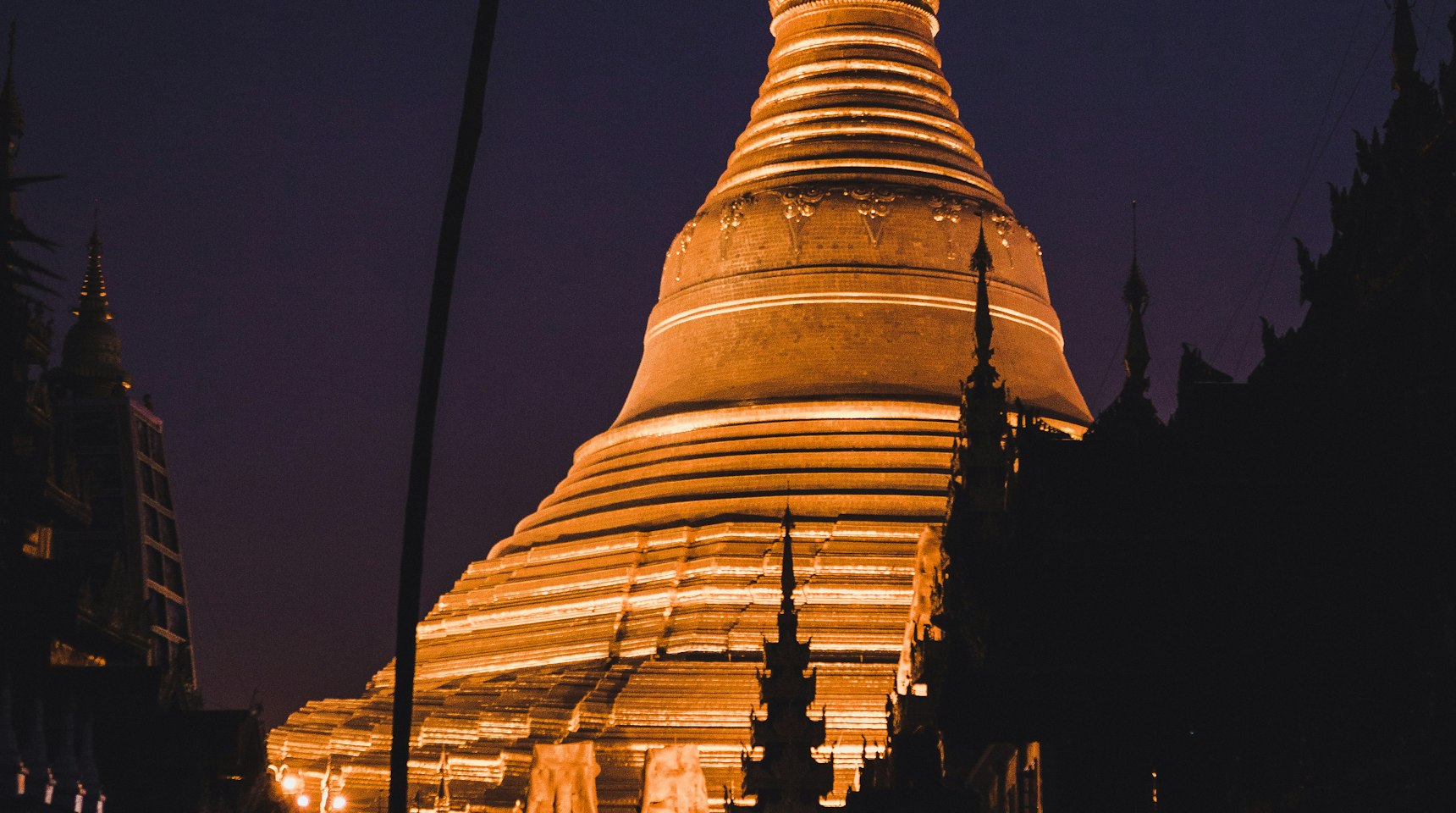
The city’s downtown area has many colonial-era buildings, busy markets and traditional tea shops where you can try mohinga, the national dish of rice noodles in a fish broth, for breakfast. The Circle Line train offers a slow and fascinating look at daily life in the suburbs.
Mandalay and the Royal Cities
Mandalay, the last royal capital of Myanmar, is a centre of Buddhist learning and traditional crafts. Visit Kuthodaw Pagoda, home to hundreds of white stupas containing marble slabs inscribed with Buddhist scriptures, and climb Mandalay Hill for sunset views. Nearby ancient capitals such as Amarapura, with the long teak U Bein Bridge, Inwa and Sagaing can be visited as day trips.
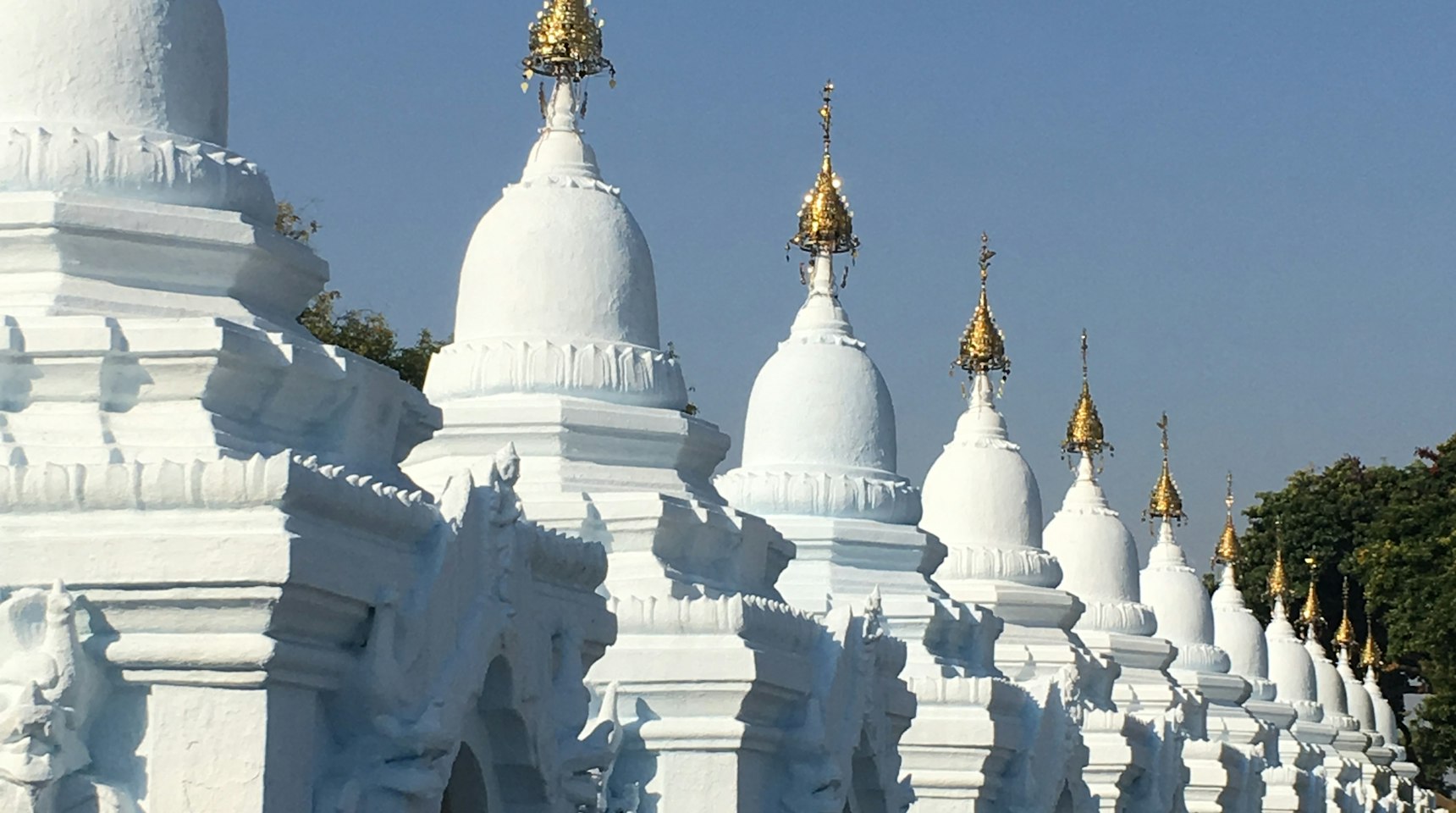
The Mandalay and Sagaing area was badly affected by the 2025 earthquake, and some sites may be damaged, closed or under restoration. Check the current status of monuments locally before planning your visit.
Cultural Etiquette in Myanmar
Myanmar is a deeply Buddhist country, and showing respect is essential. Remove your shoes and socks before entering any temple or pagoda, cover your shoulders and knees, and never point your feet at Buddha images or monks. Women should not touch monks or hand items directly to them.
Avoid discussing politics in public or with people you do not know well, as this can put local people at risk. Be careful about what you photograph, especially near military or government buildings, and always ask permission before taking photos of people.
Practical Tips for Solo Travellers
Bring enough cash in clean, new US dollar notes, as damaged notes are often refused and card payments and ATMs may be unreliable. Internet access can be restricted, so download offline maps and keep important documents saved on your phone. A local SIM card can be helpful, but services may be limited in some areas.
Choose accommodation with good recent reviews, let your guesthouse know your daily plans, and avoid travelling at night. Solo women travellers generally find Myanmar’s people respectful, but dressing conservatively and taking normal precautions is sensible.
Best Time to Visit Myanmar
The cool, dry season from November to February is traditionally the best time to visit, with comfortable temperatures and clear skies. March to May is very hot, especially in Bagan and Mandalay, while the monsoon season from June to October brings heavy rain, particularly in coastal areas.
Final Thoughts on Solo Travel in Myanmar
Myanmar is a country of remarkable beauty and warm hospitality, and its temples, lakes and pagodas remain among the most memorable sights in Asia. Put safety first, check official advice, travel respectfully and support local businesses if you do go. For more ideas, explore our other Myanmar travel guides, or discover nearby destinations in our Thailand travel guides.