Most visitors picture Japan as a land of neon cities, bullet trains and ancient temples, yet nearly three quarters of the country is covered by mountains and forest. For adventurous travellers, that means an extraordinary network of trails, from ancient pilgrimage routes lined with moss-covered stones to high alpine ridges that rival anything in Europe. Hiking in Japan combines natural beauty with culture in a way few other destinations can match, because many trails lead past shrines, mountain huts and villages where traditions have barely changed in centuries.
This guide introduces the best hiking routes in Japan for different levels of experience, explains when to go and what to pack, and shares practical tips for staying safe and comfortable on the trail. Whether you want a gentle walk between historic post towns or a demanding multi-day trek through the Japanese Alps, there is an adventure waiting for you.
Why Hiking in Japan Is So Rewarding
Japan’s trails are remarkably well maintained and clearly signposted, especially on popular routes. Mountain huts provide meals and shelter on many high-altitude trails, and rural guesthouses known as minshuku offer warm hospitality, home cooking and often a hot bath after a long day of walking. Public transport reaches a surprising number of trailheads, so you can often start and finish a hike without renting a car.
Perhaps the greatest reward is the combination of scenery and culture. A single day on the trail might take you through cedar forests, past waterfalls and stone statues, into a centuries-old shrine and finally to a hot spring where you can soak tired muscles. That blend of physical challenge and cultural discovery makes hiking one of the most memorable ways to experience the country.
The Kumano Kodo Pilgrimage Trail
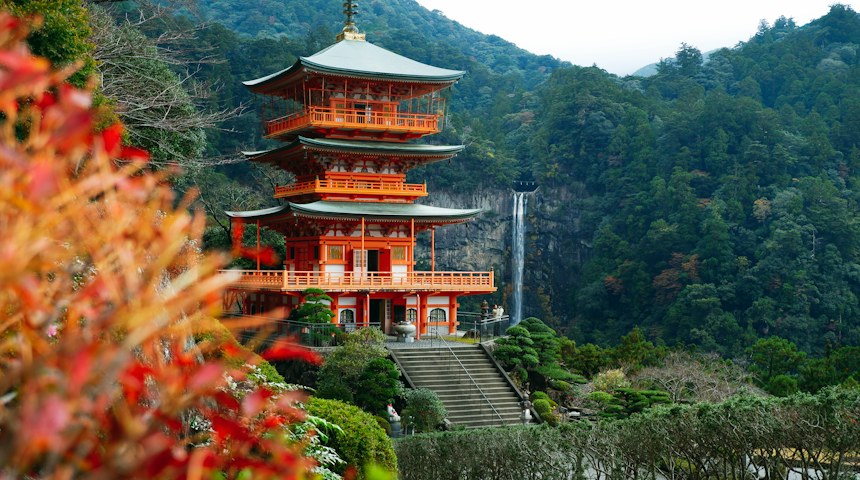
The Kumano Kodo is a network of ancient pilgrimage routes on the Kii Peninsula, south of Osaka and Kyoto, and it is one of only two pilgrimage routes in the world recognised by UNESCO as World Heritage, alongside the Camino de Santiago in Spain. For more than a thousand years, emperors, monks and ordinary pilgrims have walked these paths to reach the three grand shrines of Kumano, and today hikers follow the same stone-paved trails through deep, misty forests.
The most popular route is the Nakahechi, which most hikers complete in two to four days, staying in small family-run inns along the way. The trail climbs and descends steeply in places, so moderate fitness is helpful, but the reward is a peaceful journey through some of the most atmospheric landscapes in Japan, finishing at the sacred Kumano Hongu Taisha shrine and the dramatic Nachi waterfall. Luggage transfer services between inns allow you to walk with only a light daypack.
Walking the Nakasendo Trail
For a gentler adventure, the historic Nakasendo trail was once one of the main highways linking Kyoto and Edo, the old name for Tokyo. Today, the best-preserved section runs through the Kiso Valley, where restored post towns with wooden inns and shops line the route. The walk between Magome and Tsumago is the most famous stretch, taking around three hours along forest paths, past waterfalls and through small farming hamlets.
Many travellers stay overnight in a traditional inn in one of the post towns, which allows them to experience the villages after day-trippers leave, when the streets are quiet and lanterns glow in the evening. This route is ideal for families, beginners and anyone who wants to combine light hiking with history and traditional architecture.
Adventure in the Japanese Alps
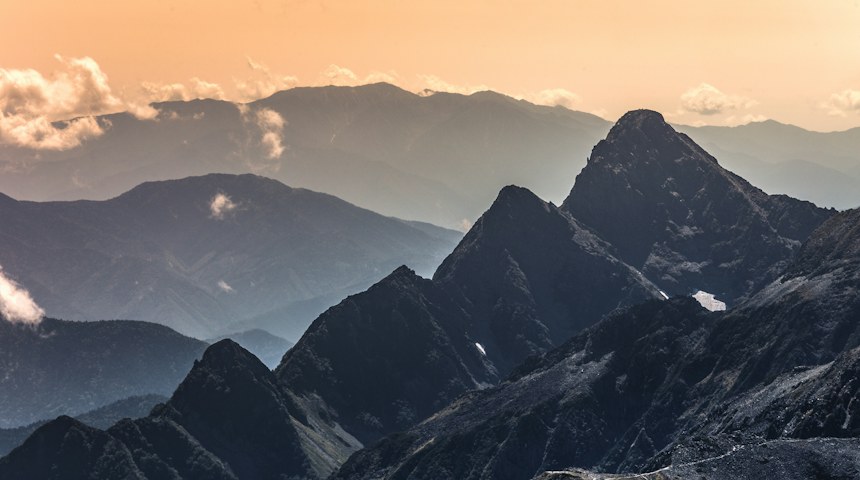
The Japanese Alps, spread across central Honshu, offer some of the most spectacular hiking in Asia. Kamikochi, a high mountain valley in the Northern Alps, is the gateway for many classic routes. Easy riverside walks lead past crystal-clear streams and towering peaks, while experienced hikers can continue to mountain huts and summits such as Yarigatake, whose sharp spear-like peak is a goal for many Japanese climbers.
Multi-day hut-to-hut treks in the Alps require good fitness, proper equipment and careful planning, as weather can change quickly at altitude. Huts are busy during the short summer season and on weekends, so reserving in advance is strongly recommended. Kamikochi itself is closed to private cars and is open only from spring to autumn, so check access dates and bus schedules before you travel.
Climbing Mount Fuji
Climbing Mount Fuji is a bucket-list adventure for many visitors. The official climbing season runs roughly from early July to early September, when mountain huts are open and trails are free of snow. Most climbers ascend in the afternoon, rest in a hut for a few hours and then hike through the night to watch the sunrise from the summit, an unforgettable experience on a clear morning.
The climb is physically demanding rather than technical, and altitude sickness can affect even fit hikers, so pace yourself and stay hydrated. In recent years, authorities have introduced climbing fees, reservations and limits on the number of hikers on popular trails to reduce overcrowding, so check the latest rules and book hut accommodation early. Climbing outside the official season is dangerous and strongly discouraged.
Yakushima and Other Wild Destinations
The subtropical island of Yakushima, south of Kyushu, is famous for its ancient cedar forests, moss-covered valleys and the giant tree known as Jomon Sugi, believed to be thousands of years old. The full hike to the tree is a long and demanding day, but the scenery is otherworldly, and shorter trails in the Shiratani Unsuikyo ravine offer a taste of the island’s magic. Be prepared for rain, which falls frequently and keeps the forests so lush.
Hokkaido, Japan’s northern island, offers wilder landscapes in national parks such as Daisetsuzan and Shiretoko, where volcanic peaks, wildflower meadows and remote coastlines await. These areas are home to brown bears, so hikers should carry bear bells, make noise on the trail and follow local guidance. For shorter adventures closer to the cities, Mount Takao near Tokyo and the trails around Nikko and Hakone make excellent day hikes.
When to Go and What to Pack
The best hiking seasons in Japan are generally late spring and autumn, when temperatures are comfortable and skies are often clear. Summer is the main season for high-altitude routes in the Alps and on Mount Fuji, while lower trails can be hot and humid. The rainy season from June to mid-July brings frequent showers in much of the country, and typhoons can disrupt travel from late summer into autumn, so keep an eye on forecasts.
Pack sturdy, broken-in hiking boots, layered clothing, a waterproof jacket, a headlamp, a basic first aid kit and plenty of water. Cash is essential in rural areas and mountain huts, where card payments may not be accepted. Download offline maps, tell someone your plans and register your route where local systems allow. Above all, respect nature by staying on marked paths and carrying all your rubbish out with you.
Guided Tours or Independent Hiking?
One of the first decisions to make is whether to hike independently or join a guided tour. Popular routes such as the Nakasendo and the Kumano Kodo are well signposted and suitable for confident independent walkers, especially if you book inns and luggage transfers through the local tourism associations that manage these trails. Going alone gives you full control over your pace, where you stop for lunch and how long you linger at shrines and viewpoints, and it is usually the more affordable option.
Guided tours make more sense for challenging alpine routes, winter hiking or travellers who do not speak Japanese and want everything arranged in advance. A good guide adds cultural context that is easy to miss on your own, explains the history of pilgrim routes and shrines, and handles logistics such as hut reservations and transport between trailheads. Self-guided packages are a popular middle ground, providing pre-booked accommodation, detailed maps and luggage transfers while letting you walk at your own pace.
Whichever option you choose, start with a shorter hike to test your fitness and gear before committing to a multi-day route. Japanese trails often involve long stone staircases and steep climbs that feel harder than the distance suggests, so allow plenty of time each day and plan to arrive at your accommodation well before dark.
Planning the rest of your trip? Our complete guide to Japan on a budget explains rail passes, affordable stays, cheap eats and free sights, and our guide to solo travel in Japan covers safety, routes and eating alone for first-time visitors.
Final Thoughts on Hiking in Japan
Hiking reveals a side of Japan that many visitors never see, a world of quiet forests, mountain shrines and villages where life moves at a slower pace. Whether you walk the sacred paths of the Kumano Kodo, cross the Alps hut to hut or watch the sunrise from the summit of Mount Fuji, the journey will stay with you for years. For more ideas to plan your trip, explore our other Japan travel guides and start mapping out your next adventure.