Japan may be the easiest country in the world for a first solo trip. It is safe at almost any hour, the transport system is so reliable that you can plan your day to the minute, and the culture is built around quiet independence, which means doing things alone never feels strange. Solo diners, solo shoppers and solo commuters are everywhere, and nobody will look twice at a traveller exploring a temple or eating ramen on their own. For anyone who has been nervous about travelling alone, Japan is a gentle and rewarding place to start.
This guide covers everything you need to plan solo travel in Japan with confidence, from staying safe and choosing where to sleep to eating alone, meeting other travellers and building a route that balances famous highlights with quieter corners. Whether you have one week or three, the same simple principles will help you enjoy the freedom of travelling on your own terms.
Why Japan Is Perfect for Solo Travellers
The biggest reason Japan works so well for solo travel is that daily life is already designed for individuals. Restaurants have counter seating where single diners are the norm, hotels offer compact single rooms at fair prices, and many experiences, from onsen baths to museums, are naturally enjoyed alone. You never have to wait for a table for two or pay a supplement for travelling by yourself in the way you might elsewhere.
Japan is also wonderfully predictable. Trains leave on time, signs in major cities are in English as well as Japanese, and convenience stores are open around the clock if you need food, cash or a phone charger late at night. That predictability takes away much of the stress that can come with travelling alone, so you can focus on enjoying yourself rather than solving problems. Even if you do not speak Japanese, a translation app and a polite attitude will carry you a very long way.
Staying Safe as a Solo Traveller in Japan
Japan consistently ranks among the safest countries in the world, and violent crime against visitors is rare. Many solo travellers, including women travelling alone, report feeling comfortable walking home late at night in big cities. Lost wallets and phones are frequently handed in to police boxes, known as koban, which you will find in every neighbourhood and which are a good place to ask for directions if you get lost.
That said, sensible habits still matter. Be cautious in nightlife districts such as Kabukicho in Tokyo or parts of Osaka, where touts may try to lure visitors into overpriced bars. Avoid following strangers to venues, keep an eye on your drink, and agree on prices before ordering in small bars. Women may wish to use the women-only carriages on some commuter trains during rush hour, which are clearly marked on platforms. Travel insurance, a saved copy of your passport and an offline map on your phone will cover most other situations.
Eating Alone Without Feeling Awkward
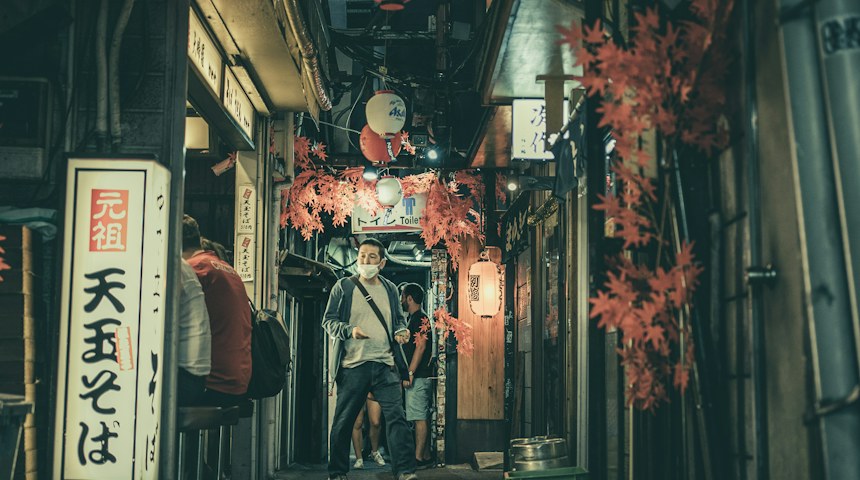
Eating alone is one of the great joys of solo travel in Japan. Ramen shops often have individual booths or counters where you order through a ticket machine, so you can enjoy your meal without any need to interact if you would rather not. Conveyor-belt sushi restaurants, curry houses, soba stands and beef bowl chains are all designed for quick solo meals, and they are affordable and delicious.
For a more social evening, try a small izakaya, the Japanese equivalent of a pub, where sitting at the counter often leads to friendly conversations with the staff or regulars. Department store food halls and convenience stores are perfect for picnic dinners in your room or in a park. If you want to try a famous restaurant that usually requires a reservation, lunch is often easier for solo diners, as many places offer good-value set menus and are happy to seat a single guest at the counter.
Where to Stay When Travelling Alone
Accommodation choices for solo travellers in Japan are excellent. Hostels are clean, safe and sociable, with common rooms, organised events and staff who are usually happy to help with local tips. They are a great choice if you want to meet other travellers, share plans and find companions for a day trip. Capsule hotels offer a little more privacy at a similar price, with individual pods, shared bathrooms and often a relaxing public bath.
If you prefer your own space, business hotels offer compact single rooms with private bathrooms near major stations, and they are often surprisingly affordable. For a special experience, consider one or two nights in a traditional ryokan, where you sleep on a futon, wear a yukata and enjoy a multi-course dinner. Some ryokan charge more for single guests, but many now welcome solo travellers, and the experience is one of the most memorable things you can do in Japan.
Getting Around Japan on Your Own
Navigating Japan alone is easier than it looks. Load an IC card such as Suica or PASMO onto your phone and you can tap in and out of trains, subways and buses across most major cities. Navigation apps show exact platforms, train times and even which carriage to board for the fastest exit, so getting lost is rare. Signs in stations use colour-coded lines and numbers, which makes transfers simple even in giant hubs like Shinjuku or Tokyo Station.
For longer journeys, the Shinkansen bullet train is comfortable and fast, and reserving a window seat lets you watch the countryside roll by. Overnight highway buses are a cheaper alternative and work well for solo travellers on a budget. If you plan to visit many cities in a short time, compare the cost of a rail pass with individual tickets before you buy, as the best option depends on your route.
The Best Places for a First Solo Trip
Tokyo is the natural starting point. Its neighbourhoods each feel like a different city, from the neon energy of Shibuya and Shinjuku to the traditional streets of Asakusa and the creative cafes of Shimokitazawa. Spend at least four days here, mixing big sights with long walks through residential areas, where some of the most charming discoveries are made. From Tokyo, a short trip to Nikko, Kamakura or the lakes around Mount Fuji gives you a taste of nature and history.
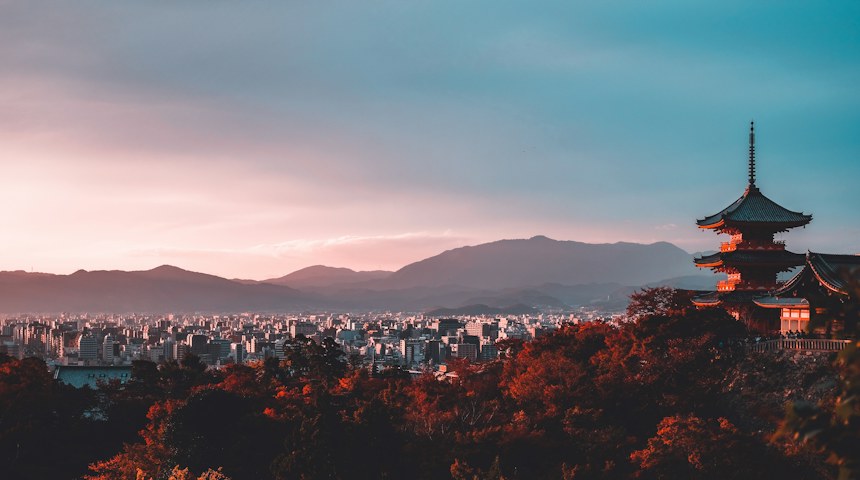
Kyoto is the perfect second stop for solo travellers who love culture and quiet reflection. Rise early to visit famous temples before the crowds, wander the lantern-lit lanes of Gion in the evening, and take a peaceful walk along the Philosopher’s Path. Osaka, just a short train ride away, balances Kyoto’s calm with lively food streets and a friendly, outgoing atmosphere that makes it easy to strike up conversations.
Going Beyond the Classic Route
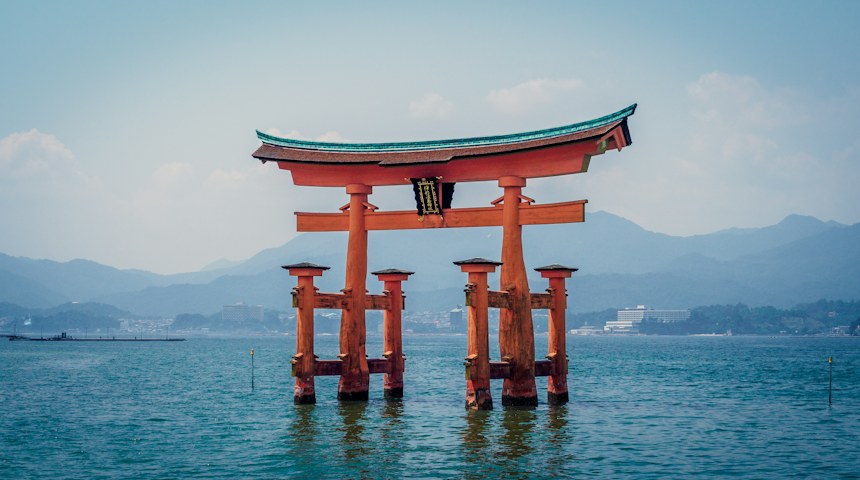
Once you are comfortable, Japan rewards solo travellers who venture beyond the main cities. Hiroshima and the island of Miyajima make a moving and beautiful two-day trip, combining the history of the Peace Memorial Park with the famous floating torii gate. Kanazawa offers one of Japan’s finest gardens, a preserved samurai district and excellent seafood, with far fewer visitors than Kyoto.
For a slower pace, consider the mountain town of Takayama, the onsen villages of Hakone or the countryside of Shikoku. Rural Japan can be quieter and less English-friendly, but locals are often warm and curious about travellers, and solo visitors frequently find these places the most rewarding part of their trip. Plan transport carefully in rural areas, as buses and trains run less frequently than in the cities.
Meeting People and Enjoying Your Own Company
Solo travel does not have to mean being alone all the time. Hostel events, walking tours, cooking classes and day tours are easy ways to meet other travellers. Language exchange meetups in Tokyo and Osaka connect visitors with locals who want to practise English, and many travellers make lasting friendships this way. Sitting at the counter in a small bar or restaurant is another simple way to start a conversation.
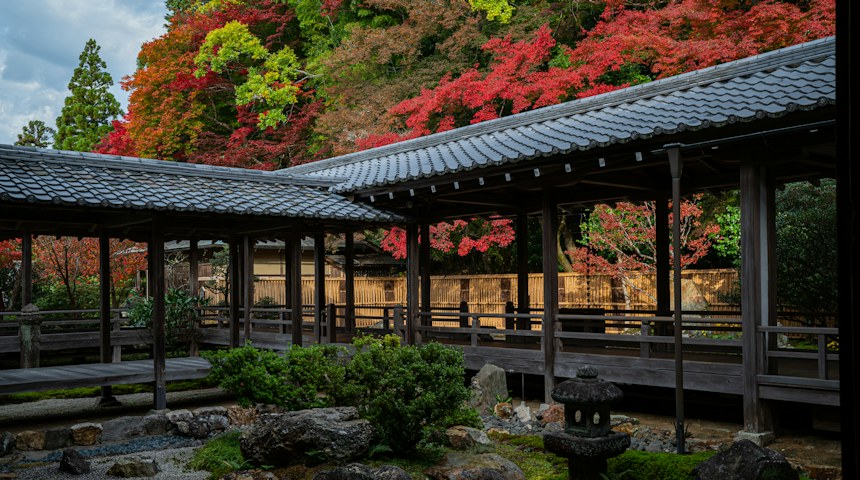
Equally, Japan is a wonderful place to enjoy your own company. Sitting in a quiet temple garden, soaking in an onsen or watching the city lights from an observation deck are experiences that often feel more powerful alone. Give yourself permission to change plans, linger where you are happy and skip what does not interest you. That freedom is the real luxury of solo travel.
Frequently Asked Questions About Solo Travel in Japan
Is Japan safe for solo female travellers? Japan is considered one of the safest countries in the world for women travelling alone. Normal precautions still apply in nightlife areas, and women-only train carriages are available on some lines during rush hour.
Is it weird to eat alone in Japan? Not at all. Eating alone is completely normal in Japan, and many ramen shops, sushi counters and casual restaurants are designed for solo diners.
How long should a first solo trip to Japan be? Ten days to two weeks is ideal for a first visit, allowing time for Tokyo, Kyoto and Osaka with a few day trips, without rushing.
More Japan Travel Guides
If you want to keep costs down, our complete guide to Japan on a budget covers rail passes, cheap stays and free sights. Start your trip with our Tokyo travel guide, explore the outdoors with our Japan hiking guide, or treat yourself with our luxury ryokan and onsen guide.
Final Tips for Solo Travel in Japan
Pack light, as you will be carrying your own bags through busy stations and up stairs, and many hotel rooms are compact. Use luggage forwarding services, known as takkyubin, to send large bags between hotels for a modest fee. Carry some cash for smaller restaurants and rural areas, learn a few basic phrases such as thank you and excuse me, and always follow local etiquette, like queuing neatly and speaking quietly on trains.
Most importantly, trust yourself. Japan is a country where careful planning pays off but spontaneous moments are just as memorable. Your first solo trip here is likely to leave you more confident and more curious about the world. For more ideas on routes, costs and experiences, explore our other Japan travel guides and start planning the trip you have always wanted to take.