The Dolomites are among the most spectacular mountains on Earth. Rising from green meadows in northern Italy, their pale limestone towers glow pink and orange at sunrise and sunset, a phenomenon known as enrosadira. Recognised by UNESCO as a World Heritage Site, the region offers an extraordinary network of trails, mountain huts and climbing routes, making it one of Europe’s top destinations for adventure travel.
This guide covers the best hikes in the Dolomites, how hut-to-hut trekking works, what to expect from via ferrata routes, where to base yourself and when to visit. Whether you are looking for gentle walks with dramatic views or challenging multi-day treks, the Dolomites will reward you at every step.
Why the Dolomites Are Perfect for Hiking
The Dolomites combine dramatic scenery with excellent accessibility. Cable cars and chairlifts carry hikers up to high trails within minutes, roads reach high mountain passes and a dense network of well-marked, numbered paths connects valleys, peaks and huts. This means even beginners can reach stunning viewpoints without long climbs, while experienced hikers can link routes into challenging adventures lasting a week or more.
The region’s mountain huts, known as rifugi, are another highlight. Many serve hearty meals such as canederli dumplings, polenta with mushrooms and apple strudel, and offer dormitory or private rooms for overnight stays. Stopping at a rifugio for lunch on a sunny terrace with a view of jagged peaks is one of the great pleasures of hiking in the Dolomites.
Tre Cime di Lavaredo
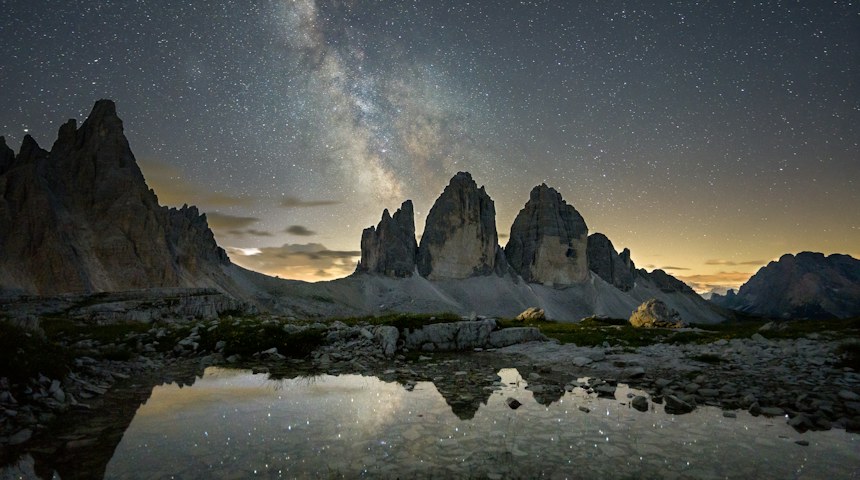
The Tre Cime di Lavaredo, three massive rock towers that have become a symbol of the Dolomites, are home to one of the most popular hikes in the region. The loop around the peaks takes around three to four hours and passes several huts, including Rifugio Auronzo and Rifugio Locatelli, which offers one of the most iconic views of the north faces of the Tre Cime.
The trail is relatively easy, with modest elevation changes, making it suitable for most fit walkers. Access is via a toll road to Rifugio Auronzo, and it is best to start early to avoid crowds and secure parking. Public buses also run to the trailhead in summer, which is a convenient and more sustainable alternative to driving.
Seceda, Val Gardena and Alpe di Siusi
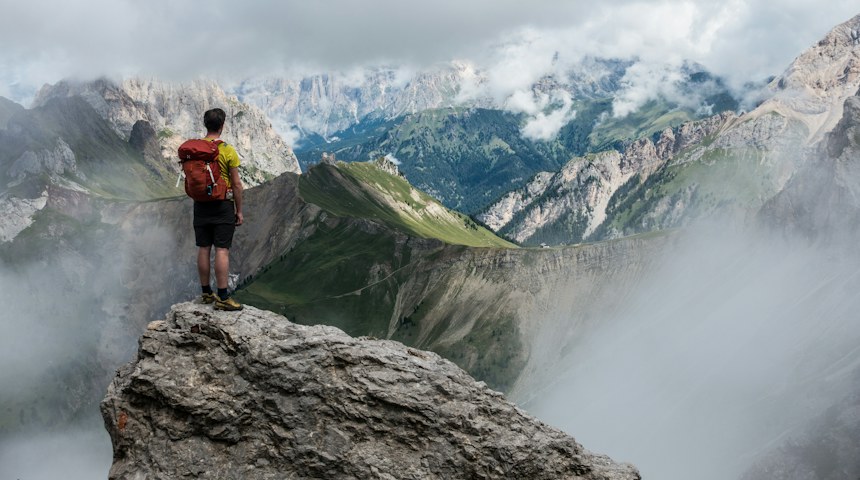
Val Gardena is one of the most popular bases for hikers, with access to some of the region’s most famous views. The Seceda ridgeline, reached by cable car from Ortisei, offers a dramatic panorama of jagged peaks and grassy slopes that drop away steeply. From here, trails lead through flower-filled meadows to rustic huts and back down to the valley.
Nearby, the Alpe di Siusi is Europe’s largest high-altitude alpine meadow, criss-crossed by gentle trails perfect for families and relaxed hikes. In early summer, wildflowers carpet the meadows, while the Sassolungo and Sciliar mountains provide a stunning backdrop. More challenging routes lead around the Sassolungo group or up to the Sciliar plateau for far-reaching views.
Hut-to-Hut Trekking
Multi-day hut-to-hut treks are a classic way to experience the Dolomites. The Alta Via 1, one of the most famous routes, typically takes around eight to ten days from Lago di Braies to Belluno, passing through some of the most beautiful scenery in the Alps. The Alta Via 2 is longer and more demanding, with more exposed sections suited to experienced hikers comfortable on steep terrain.
Rifugi along popular routes book up quickly, especially in July and August, so reserve well in advance. Pack light, bring a sleeping bag liner, which is required in most huts, and carry cash, as card payments are not always accepted. Hut-to-hut trekking lets you wake up surrounded by mountains and enjoy sunrise views that day hikers rarely see.
Via Ferrata Adventures
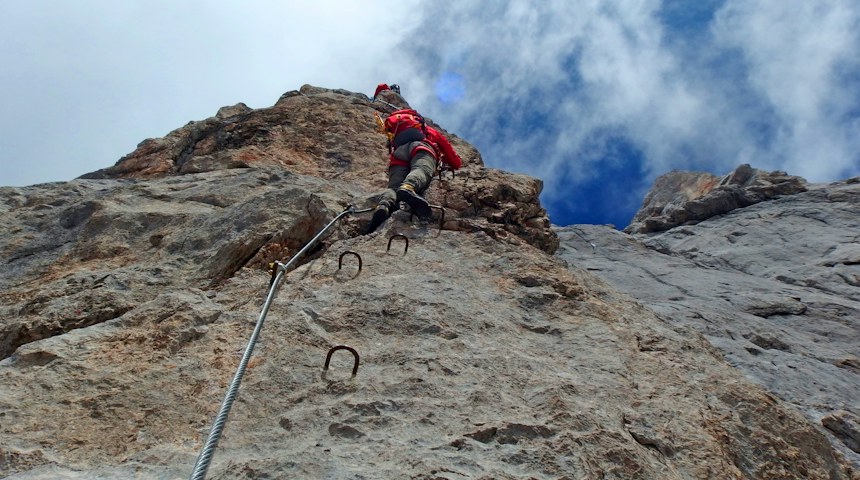
The Dolomites are the birthplace of the via ferrata, protected climbing routes equipped with steel cables, ladders and metal rungs. Many were originally built during the First World War to move troops through the mountains, and they now allow hikers to experience exhilarating climbs safely with the right equipment. Routes range from easy beginner paths to demanding vertical ascents.
To try a via ferrata, you will need a helmet, harness and a via ferrata lanyard set with energy absorbers, which can be rented in most mountain towns. If you are new to via ferrata, hiring a certified mountain guide is strongly recommended. Popular routes include those around Cortina d’Ampezzo, the Sella group and the Brenta Dolomites.
Where to Base Yourself
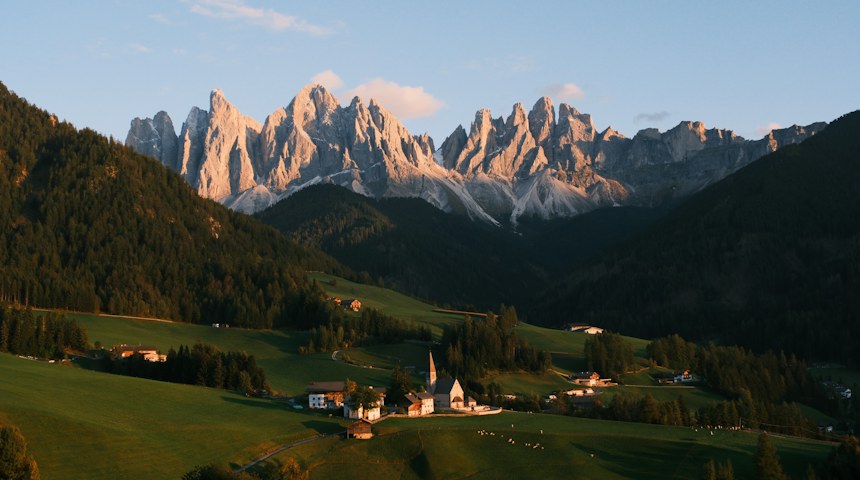
Cortina d’Ampezzo is a stylish mountain town with excellent access to the Tre Cime, Cinque Torri and many via ferrata routes. Val Gardena, with villages such as Ortisei, Santa Cristina and Selva, is ideal for Seceda, Alpe di Siusi and the Sella group. Val Badia offers a quieter, more traditional atmosphere with outstanding food, while the area around Lago di Braies is a great starting point for the Alta Via 1.
Each valley has its own character, shaped by Italian, Austrian and Ladin influences, and you will hear several languages and see a mix of architecture and cuisine. Staying in two different valleys during a longer trip is a good way to experience this variety and reduce driving time to trailheads.
When to Go and What to Pack
The main hiking season runs from mid-June to late September, when most cable cars and huts are open. July and August are the busiest months, with the warmest weather but also afternoon thunderstorms and crowds. Late June and September offer quieter trails, and September often brings stable weather and beautiful light.
Pack sturdy hiking boots, layers for changing weather, a waterproof jacket, sun protection and plenty of water. Weather can change quickly at altitude, so check forecasts daily, start early and be prepared to turn back if storms approach. Make sure your travel insurance covers mountain activities, especially if you plan to try via ferrata routes.
To plan the rest of your journey, read our complete guide to Italy on a budget, with tips on trains, accommodation, food, free sights and a two-week itinerary through Rome, Florence and Venice.
Final Thoughts on Hiking in the Dolomites
Hiking in the Dolomites is a true adventure, combining breathtaking scenery with excellent trails, welcoming huts and thrilling climbing routes. Plan ahead, respect the mountains and give yourself time to enjoy both the challenge and the views. For more travel ideas, explore our other Italy travel guides and plan your next adventure.