Rome is a city that rewards every minute you give it. Ancient ruins stand beside Renaissance palaces, Baroque fountains splash in lively squares and some of the world’s greatest art fills its churches and museums. Three days is enough to see the highlights of the Eternal City at a comfortable pace, and with a few smart choices you can do it without spending a fortune. Many of Rome’s most beautiful sights are free, and its food culture makes eating well on a budget surprisingly easy.
This itinerary is designed for first-time visitors who want to see the essentials, enjoy the atmosphere and keep costs under control. It groups sights by area to minimise travel, includes tips on tickets and timing, and suggests affordable places to eat along the way.
Before You Go: Tickets and Timing
A few decisions made in advance will save you time and money. Book tickets for the Colosseum and the Vatican Museums online before you travel, as same-day queues can be long and popular time slots sell out. The standard Colosseum ticket typically includes the Roman Forum and Palatine Hill, giving you access to three major sites for one price, so plan to visit them together.
Spring and autumn are the most pleasant seasons, with mild weather and fewer crowds than summer. If you visit in July or August, start early, rest in the afternoon heat and explore again in the evening, when the city comes alive. Comfortable shoes are essential, as you will walk many kilometres on cobblestones each day.
Day One: Ancient Rome
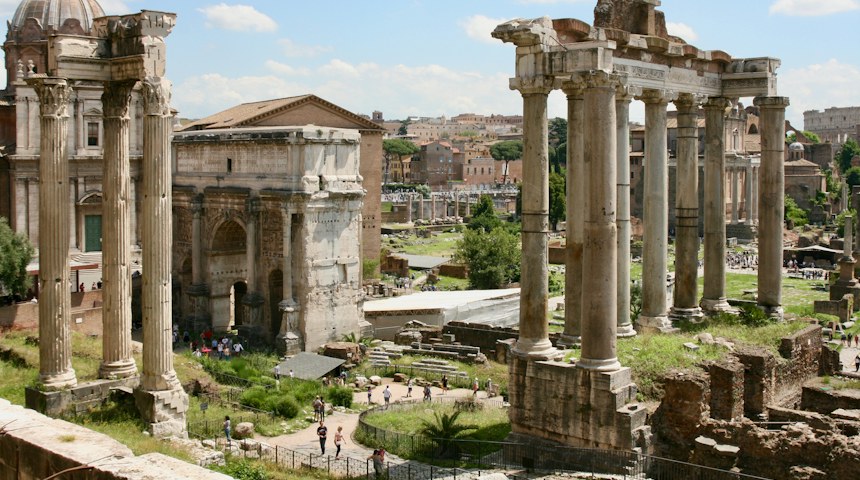
Begin your first morning at the Colosseum, arriving at opening time to enjoy the arena before the biggest crowds. Afterwards, walk to the Roman Forum, once the heart of political and commercial life in ancient Rome, where you can wander among temples, triumphal arches and the remains of government buildings. Climb Palatine Hill for views over the Forum and the Circus Maximus, the vast chariot-racing stadium below.
In the afternoon, walk to Piazza Venezia and climb the steps of the Capitoline Hill, designed by Michelangelo, for one of the best free views of the Forum. End the day in the Monti neighbourhood, a charming area of narrow streets, vintage shops and inexpensive trattorias where you can enjoy a plate of carbonara or cacio e pepe at a fair price.
Day Two: The Vatican and Historic Centre
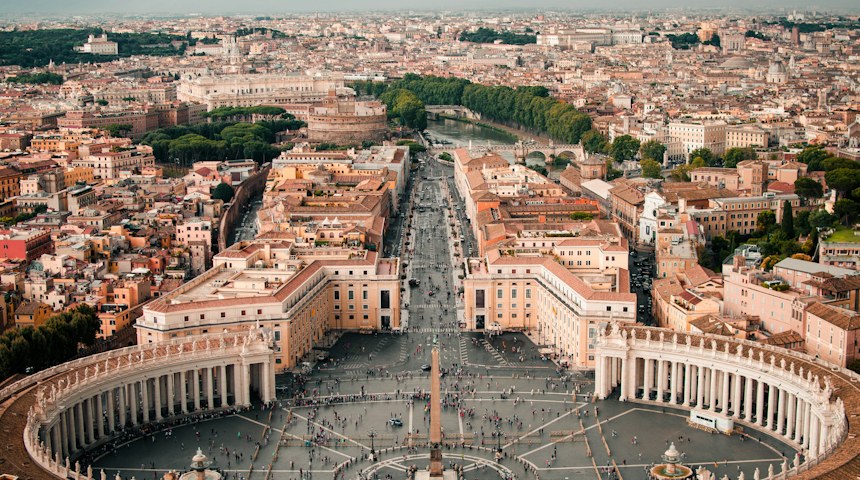
Dedicate your second morning to Vatican City. The Vatican Museums hold an astonishing collection of art and antiquities, culminating in the Sistine Chapel with Michelangelo’s famous ceiling. Entry to Saint Peter’s Basilica is free, although you should expect security queues, and climbing the dome, for a small fee, rewards you with a spectacular view across Rome. Remember to cover your shoulders and knees when visiting religious sites.
After lunch, cross the river to Castel Sant’Angelo and walk into the historic centre. Piazza Navona, with Bernini’s Fountain of the Four Rivers, is a beautiful place to people-watch. The Pantheon, an ancient temple with a remarkable open dome, now charges a modest entry fee but remains one of the best-value sights in the city.
Day Two Evening: Fountains and Piazzas
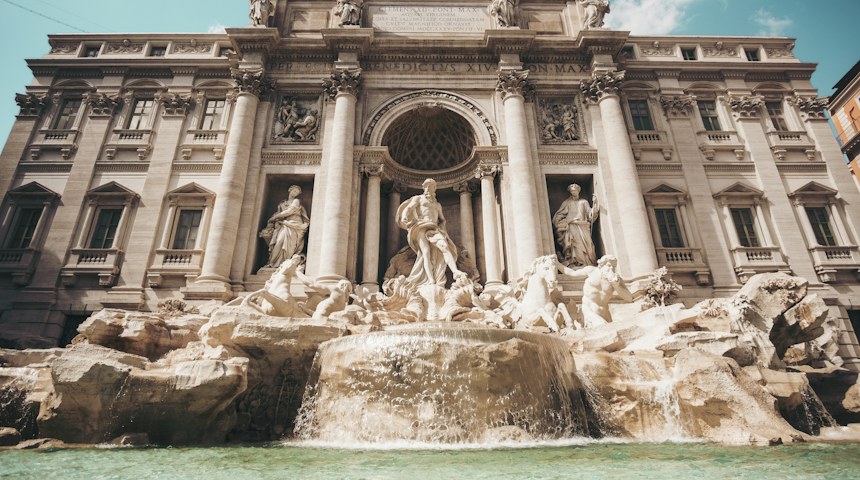
As evening falls, continue to the Trevi Fountain, which is especially atmospheric when lit up after dark or very early in the morning. Tradition says that throwing a coin over your shoulder ensures you will return to Rome. Check in advance whether any visitor access rules or small fees apply, as the city has introduced measures to manage crowds at its most popular landmarks.
From Trevi, walk to the Spanish Steps and enjoy the views over Piazza di Spagna. For dinner, avoid restaurants on the main squares, which tend to be overpriced, and look for places a few streets away. A slice of pizza al taglio or a supplì, a fried rice ball filled with mozzarella, makes an inexpensive and delicious snack between sights.
Day Three: Trastevere and Hidden Corners
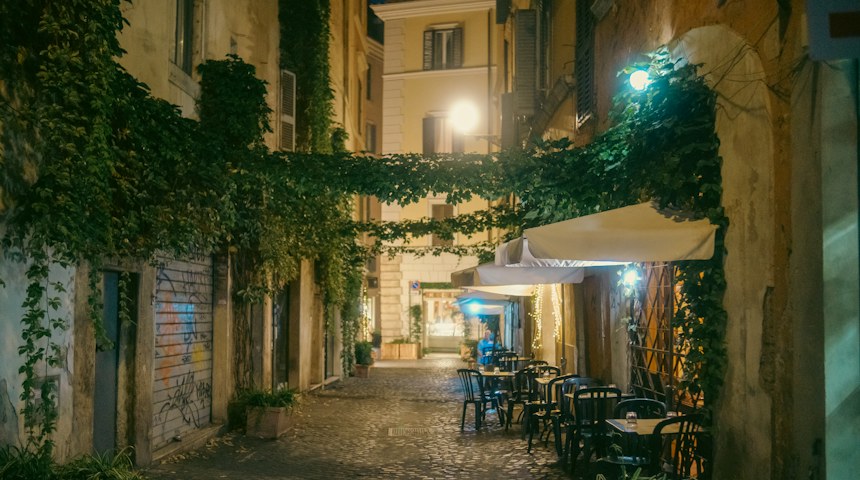
Spend your final day exploring Trastevere, one of Rome’s most charming neighbourhoods, with ivy-covered buildings, cobbled lanes and lively piazzas. Visit the Basilica of Santa Maria in Trastevere, famous for its glittering mosaics, then climb the Janiculum Hill for a sweeping, free view of the city’s domes and rooftops.
In the afternoon, choose between the Borghese Gallery, which requires advance booking and houses masterpieces by Bernini and Caravaggio, or a relaxed walk through the Villa Borghese gardens. Alternatively, explore the Jewish Ghetto, known for its history and Roman-Jewish cuisine, or the Aventine Hill, where the famous keyhole offers a perfectly framed view of Saint Peter’s dome.
Eating Well in Rome on a Budget
Rome is a fantastic city for budget eating. Traditional Roman dishes such as carbonara, amatriciana, cacio e pepe and saltimbocca are widely available at reasonable prices in local trattorias. Lunch set menus are often excellent value, and markets such as Campo de’ Fiori and Testaccio Market are great places for affordable street food and picnic supplies.
Drink your coffee standing at the bar to avoid table service charges, and refill your water bottle at the many free public fountains around the city. Aperitivo in the early evening, when bars serve snacks with drinks, can make a light and inexpensive dinner.
Getting Around and Saving Money
Rome’s historic centre is best explored on foot, and most of the sights in this itinerary are within walking distance of each other. The metro and buses are inexpensive for longer distances, such as reaching the Vatican, and contactless payment is accepted on many services. Avoid unlicensed taxis and always agree on fares or use official taxi ranks.
Look out for free entry days at state museums and sites, often on the first Sunday of the month, though these days are busy. If you plan to visit many paid attractions, compare the cost of city passes with individual tickets before buying.
To plan the rest of your journey, read our complete guide to Italy on a budget, with tips on trains, accommodation, food, free sights and a two-week itinerary through Rome, Florence and Venice.
Final Thoughts on Rome in 3 Days
Three days in Rome gives you a wonderful introduction to its ancient wonders, artistic treasures and vibrant street life. Plan ahead for the big sights, leave time to wander and enjoy long meals, and you will understand why so many visitors fall in love with the Eternal City. For more ideas, explore our other Italy travel guides and continue planning your Italian adventure.