Luxury in Japan is rarely about gold taps or grand lobbies. It is about attention to detail, seasonal beauty and a level of hospitality so thoughtful that it can feel almost like an art form. Nowhere is this more obvious than in a high-end ryokan, the traditional Japanese inn where you sleep on soft futons over tatami mats, bathe in natural hot springs and enjoy elaborate dinners made from the finest local ingredients. For many travellers, a night or two in a luxury ryokan becomes the highlight of their entire trip.
This guide explains what makes a luxury ryokan special, how to choose the right one, what to expect from your stay and which regions offer the most memorable onsen experiences. Whether you are planning a honeymoon, a milestone celebration or simply want to experience Japanese hospitality at its finest, these are the places and practices worth knowing about.
What Makes a Luxury Ryokan Different
A ryokan is far more than a place to sleep. At the best inns, your stay is choreographed from the moment you arrive. Staff greet you at the entrance, take your luggage and often serve tea and a seasonal sweet in your room while explaining the facilities. Rooms are typically spacious by Japanese standards, with sliding paper screens, a low table, a view of a garden or landscape and, at the highest level, a private open-air bath filled with natural hot spring water.
The concept of omotenashi, which roughly translates as wholehearted hospitality, sits at the centre of the experience. Staff anticipate your needs without being intrusive, beds are laid out while you are at dinner, and every element, from the flower arrangement in the alcove to the pattern on your yukata, reflects the season. This quiet, detailed care is what separates a luxury ryokan from even the finest Western-style hotel.
The Onsen Experience
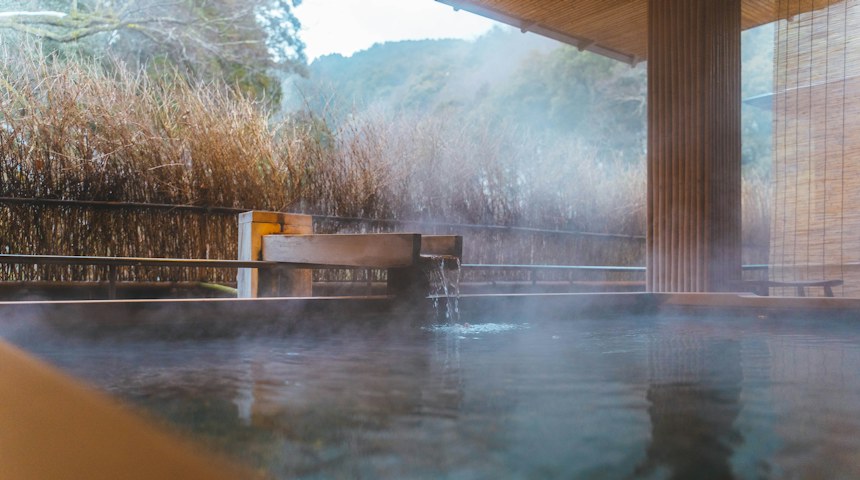
Hot springs are central to the ryokan experience. Japan sits on a volcanic landscape with thousands of natural springs, and many inns draw their water directly from the ground. Mineral-rich water is believed to soothe the body and calm the mind, and bathing in an outdoor pool surrounded by forest, snow or sea views is one of the most relaxing things you can do anywhere in the world.
Most ryokan have shared indoor and outdoor baths separated by gender, and some offer private baths that can be reserved for couples or families. Luxury inns often include a private bath on your room’s terrace, allowing you to soak whenever you like, including under the stars late at night. Before entering any shared bath, wash thoroughly at the seated shower stations, keep your small towel out of the water, and enter the bath quietly. Travellers with tattoos should check the policy in advance, although private baths solve this concern completely.
Kaiseki Dining at Its Finest
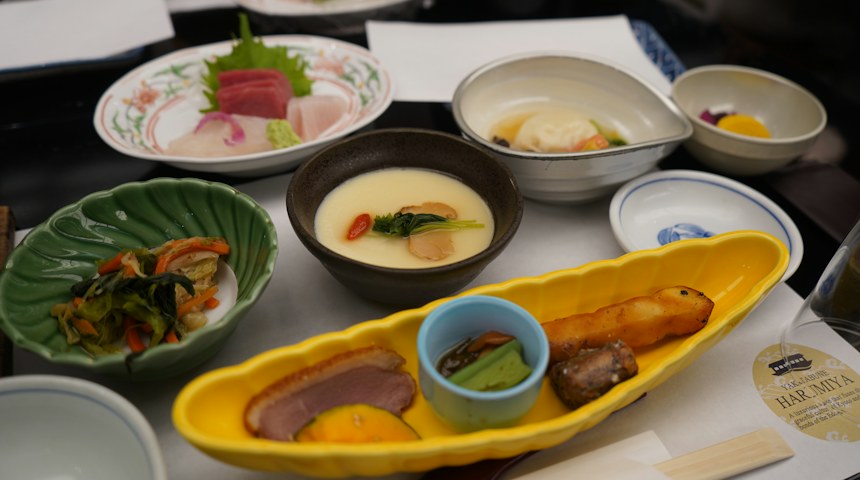
Dinner at a luxury ryokan is usually a kaiseki meal, a multi-course feast that showcases seasonal and regional ingredients with remarkable artistry. A typical kaiseki dinner might include a delicate appetiser, a clear soup, sashimi, a grilled dish, a simmered course, rice, pickles and a small dessert, each served on carefully chosen ceramics that complement the food. Many inns serve dinner in your room or in a private dining room, making the experience intimate and unhurried.
Breakfast is just as impressive, often featuring grilled fish, tofu, miso soup, rice and an array of small side dishes. If you have dietary requirements, let the ryokan know well in advance, as menus are planned carefully and many inns can accommodate vegetarian or allergy needs with notice. Pairing your meal with local sake is a wonderful way to taste the character of the region you are visiting.
Choosing the Right Luxury Ryokan
Choosing a ryokan depends on the experience you want. Some are centuries-old family-run inns where tradition is preserved in every detail, while others blend classic Japanese design with contemporary architecture and modern comforts. Consider whether a private open-air bath matters to you, whether you prefer in-room dining, and whether you want to be within walking distance of a historic town or completely secluded in nature.
Room categories vary greatly within the same property, and the most desirable rooms with private baths and garden views often sell out months ahead, especially during autumn foliage and cherry blossom season. Most ryokan price per person and include dinner and breakfast, so compare total costs carefully. Check-in is usually in mid-afternoon and check-out in the morning, so plan to arrive early enough to enjoy the baths before dinner.
The Best Regions for Luxury Onsen Stays
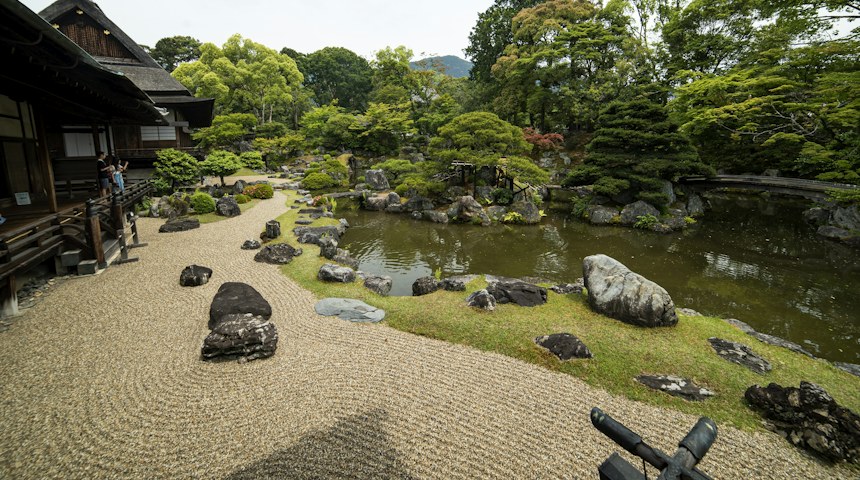
Hakone, within easy reach of Tokyo, is one of the most popular onsen areas, with mountain views, art museums and on clear days glimpses of Mount Fuji. It is ideal if you want a luxury escape without a long journey. Kinosaki Onsen, north of Kyoto, is a charming canal town where guests stroll between seven public bathhouses in yukata and wooden sandals, creating a uniquely atmospheric evening.
For a more remote experience, the Kurokawa Onsen village in Kyushu offers rustic elegance surrounded by forest, while nearby Yufuin and Beppu are famous for their volcanic landscapes, steaming vents and remarkable variety of springs. In winter, onsen towns in the Japanese Alps, such as those around Nagano and Gifu, offer the magical experience of soaking in steaming water as snow falls around you. Kyoto itself has several exquisite ryokan for travellers who want luxury combined with easy access to temples and gardens.
When to Visit for the Best Experience
Every season brings a different character to a ryokan stay. Autumn, from late October to early December depending on the region, is perhaps the most beautiful time, when maple trees around the baths and gardens turn deep red and gold. Winter is the classic onsen season, with crisp air, fewer tourists and the chance of snow around the outdoor baths, which creates an unforgettable contrast with the hot water. Spring brings cherry blossoms and fresh seasonal ingredients to the kaiseki table, although prices and demand peak at this time.
Summer can be hot and humid in much of Japan, but mountain and highland ryokan offer cooler air, green forests and seasonal dishes such as sweetfish and chilled noodles. Weekdays are generally quieter and sometimes cheaper than weekends, when domestic travellers fill the most popular inns. Avoid Golden Week, the Obon holiday in August and the New Year period unless you book well in advance and are comfortable paying peak rates.
Ryokan Etiquette Worth Knowing
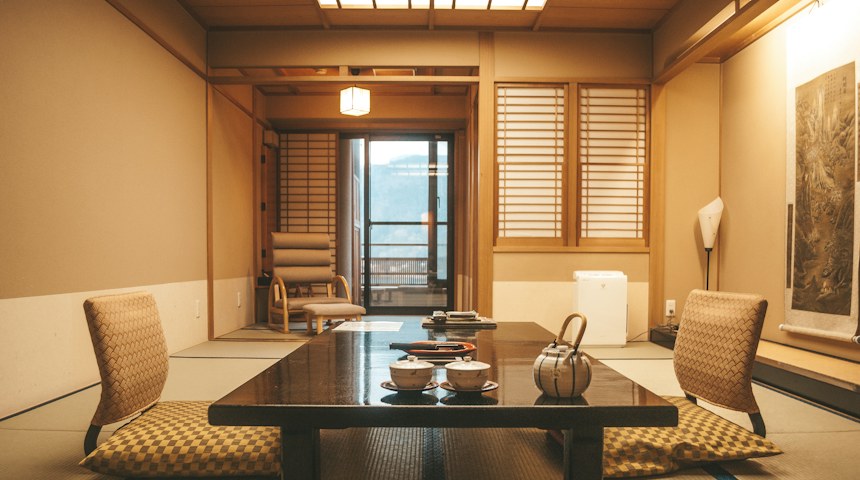
A little etiquette knowledge will make your stay more comfortable. Remove your shoes at the entrance and use the slippers provided, but take them off before stepping onto tatami mats. Wear the yukata provided around the inn and to the baths, wrapping the left side over the right. Keep voices low in shared areas, arrive for dinner at the agreed time, and avoid wearing perfume in the baths.
Tipping is not expected in Japan, and your hosts will not expect extra payment for excellent service. Instead, show appreciation with polite thanks and by respecting house customs. If you need anything, staff are usually happy to help, and many luxury ryokan now have English-speaking staff and detailed guides to ensure international guests feel completely at ease.
Planning the rest of your trip? Our complete guide to Japan on a budget explains rail passes, affordable stays, cheap eats and free sights, and our guide to solo travel in Japan covers safety, routes and eating alone for first-time visitors.
Planning Your Luxury Japan Itinerary
A well-paced luxury itinerary might begin with several nights in a high-end hotel in Tokyo, followed by two nights in Hakone, a few days in Kyoto split between a city ryokan and a boutique hotel, and a final onsen retreat in a quieter region before flying home. Booking private transfers or traveling in Green Car first-class carriages on the Shinkansen adds comfort to longer journeys, and luggage forwarding services mean you can travel between inns with only a small overnight bag.
A stay in a luxury ryokan is not simply accommodation but a window into Japanese culture, seasonality and hospitality. Choose carefully, book early and allow yourself time to slow down and savour every detail. For more inspiration on planning your journey, browse our other Japan travel guides and discover the experiences that will make your trip unforgettable.