Tokyo is one of the most exciting cities on Earth, a vast metropolis of more than thirty-seven million people that somehow feels calm, clean and remarkably easy to explore. It is a city of contrasts, where glittering skyscrapers stand beside quiet wooden shrines, where world-famous restaurants share streets with tiny noodle counters, and where every neighbourhood has its own personality. For first-time visitors, the sheer size of Tokyo can feel overwhelming, but with a little planning it quickly becomes one of the most rewarding places you will ever visit.
This Tokyo travel guide is designed to help you make sense of the city. It explains which neighbourhoods suit different travellers, how to get around efficiently, which sights deserve your time and how to eat well at any budget. It is especially useful for solo travellers and first-timers who want to see the highlights while also discovering the quieter, everyday side of Tokyo that many visitors miss.
Understanding Tokyo’s Neighbourhoods
The key to enjoying Tokyo is to think of it not as a single city but as a collection of distinct districts connected by an excellent rail network. Shinjuku is a bustling hub of skyscrapers, department stores and nightlife, home to the world’s busiest train station. Shibuya is youthful and energetic, famous for its scramble crossing and fashion shops. Asakusa preserves the atmosphere of old Tokyo, with traditional shops, rickshaws and the city’s oldest temple.
Other areas each offer something different. Ginza is elegant and upmarket, with luxury boutiques and refined restaurants. Akihabara is the centre of anime, gaming and electronics culture. Harajuku is known for street fashion and the peaceful forest around Meiji Shrine, while Ueno combines museums, a large park and a lively market street. Exploring several of these areas over a few days gives you a sense of just how varied Tokyo can be.
Where to Stay in Tokyo
Choosing the right base can make a big difference to your trip. Shinjuku is a popular choice for first-time visitors because of its outstanding transport connections, wide range of hotels and endless dining and nightlife options. Shibuya offers similar convenience with a slightly younger feel, and both are ideal if you want to be in the centre of the action and do not mind crowds.
If you prefer a quieter, more traditional atmosphere, consider Asakusa or Ueno, which are generally more affordable and offer easy access to Narita Airport. Ginza and Tokyo Station are excellent for travellers who value comfort and convenience, particularly if you plan to take the Shinkansen to other cities. Wherever you stay, try to be within a short walk of a station on the JR Yamanote Line, the loop line that connects most of the city’s major districts.
Top Sights for First-Time Visitors
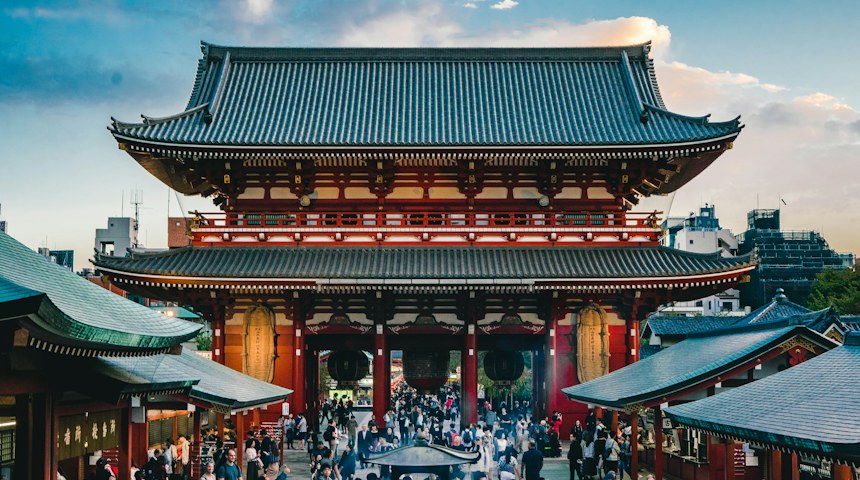
Senso-ji Temple in Asakusa is a must-see, especially early in the morning or in the evening when the main hall is beautifully lit and crowds are thinner. The approach street, Nakamise, is lined with stalls selling traditional snacks and souvenirs. Meiji Shrine, set within a peaceful forest near Harajuku, offers a striking contrast to the busy streets just outside its gates, and it is one of the best places in the city to slow down and reflect.
For city views, the free observation decks at the Tokyo Metropolitan Government Building in Shinjuku are a favourite, while paid options such as Tokyo Skytree and Shibuya Sky offer dramatic panoramas, especially at sunset. Watching the crowds surge across Shibuya Crossing, strolling through the gardens of the Imperial Palace and exploring the teamLab digital art museums are other popular experiences. Try not to fill every hour, as some of the best moments come from simply wandering.
Shopping, Pop Culture and Street Style
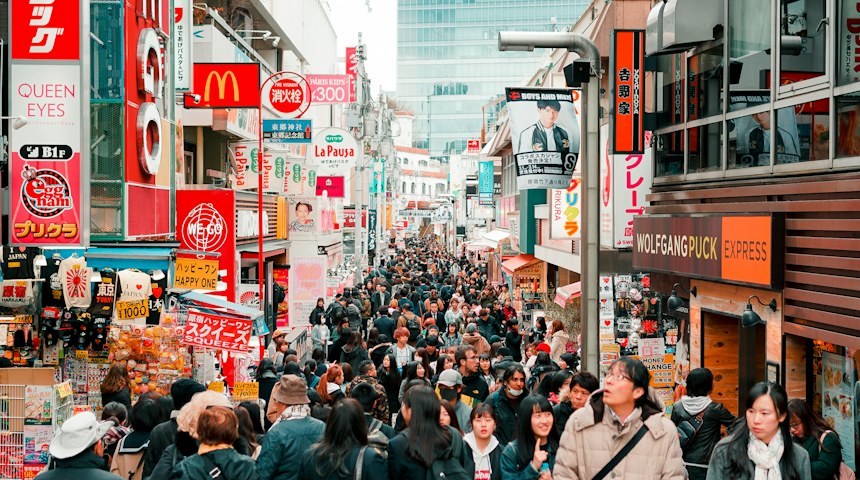
Tokyo is a paradise for shoppers. Harajuku’s Takeshita Street is packed with quirky fashion, crepe stands and colourful youth culture, while nearby Omotesando is a tree-lined avenue of designer stores and striking architecture. Ginza offers flagship stores and department stores with food halls that are an attraction in themselves, and Shimokitazawa and Koenji are known for vintage clothing and independent shops.
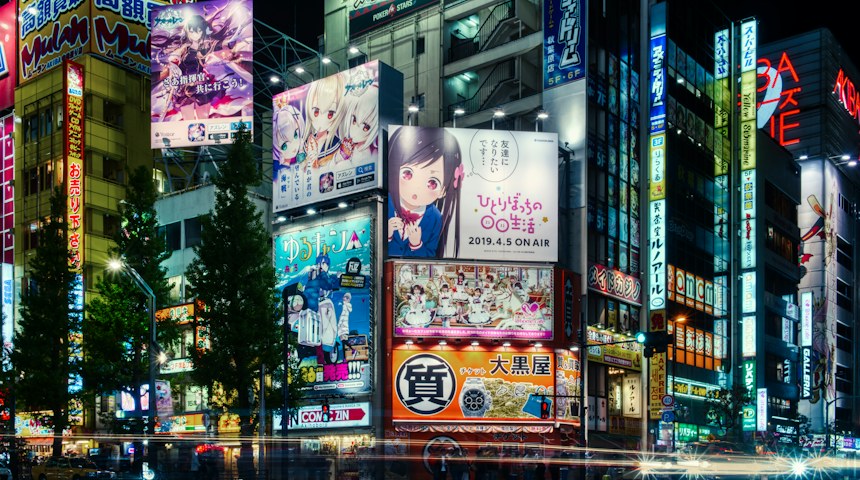
Fans of anime, manga and gaming should head to Akihabara, where multi-storey stores sell figures, games and collectables, and arcades stay busy late into the evening. Nakano Broadway is another treasure trove of second-hand collectables that is a little less crowded. Many stores offer tax-free shopping for visitors who show their passport and spend above a certain amount, which can make bigger purchases noticeably cheaper.
Eating Well in Tokyo
Tokyo has more Michelin-starred restaurants than any other city in the world, but you do not need a big budget to eat brilliantly. Ramen shops, sushi counters, tempura restaurants and casual izakaya pubs offer superb food at reasonable prices, and many of the best meals happen in tiny places with only a handful of seats. Department store basements, known as depachika, are perfect for sampling beautifully prepared food and sweets.
For an atmospheric evening, explore the narrow lanes of Omoide Yokocho in Shinjuku or the alleys under the railway tracks near Yurakucho, where small bars and grills serve skewers and cold drinks to office workers. Visit the outer market at Tsukiji for fresh seafood snacks and breakfast, or take a food tour if you want help navigating menus and discovering local favourites. Solo diners will feel completely at home at the many counter-style restaurants across the city.
Getting Around Tokyo
Tokyo’s public transport is efficient, clean and easy to use once you understand the basics. The city is served by JR lines, the Tokyo Metro and the Toei subway, along with private railways, but a rechargeable IC card such as Suica or PASMO works across all of them. Simply tap in and out, and top up at machines in any station. Navigation apps show the fastest routes, platform numbers and even the best carriage to board for your exit.
Avoid rush hour on weekday mornings and early evenings if you can, as trains become extremely crowded. Trains generally stop running around midnight, so plan your late evenings accordingly or budget for a taxi. Walking is one of the best ways to explore, as many interesting neighbourhoods are closer together than they appear on a map, and you will discover hidden shrines, cafes and side streets along the way.
Tokyo for Solo Travellers
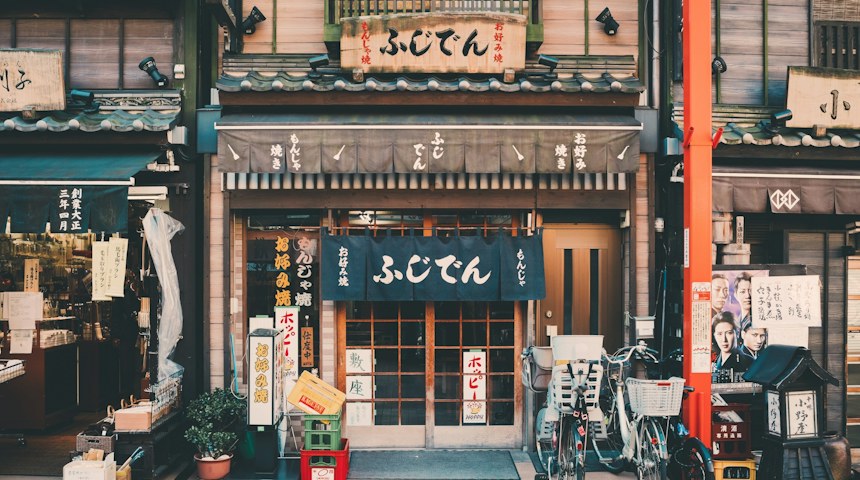
Tokyo is one of the best cities in the world for solo travel. It is very safe, even late at night, and life here is set up for individuals, from single-seat ramen booths to compact hotel rooms. Solo travellers can easily join walking tours, cooking classes or food tours to meet people, while hostels in areas such as Asakusa and Ueno host social events where it is easy to make friends.
Some of the most rewarding experiences are found in residential neighbourhoods such as Yanaka, Kichijoji or Nakameguro, where quiet streets, local cafes and small shrines reveal a slower side of the city. Spending an afternoon in one of these areas, people-watching and following your curiosity, is a lovely way to balance the excitement of the busier districts.
Easy Day Trips from Tokyo
Tokyo makes an excellent base for day trips. Kamakura, about an hour away, is home to a giant bronze Buddha, wooded temples and a relaxed seaside atmosphere. Nikko offers ornate shrines set in cedar forests and beautiful waterfalls, while Hakone combines hot springs, lake cruises and on clear days views of Mount Fuji. The Fuji Five Lakes area, especially Lake Kawaguchiko, is the best place for close-up views of the famous mountain.
Planning the rest of your trip? Our complete guide to Japan on a budget explains rail passes, affordable stays, cheap eats and free sights, and our guide to solo travel in Japan covers safety, routes and eating alone for first-time visitors.
Final Tips for Your Tokyo Trip
Allow at least four or five days to enjoy Tokyo without rushing, and group sights by neighbourhood to save time on transport. Carry some cash for smaller restaurants and shrines, keep your passport with you for tax-free shopping, and pack comfortable shoes, as you will walk much more than you expect. Respect local etiquette by queuing in an orderly way, keeping your voice low on trains and avoiding eating while walking in crowded areas.
Tokyo rewards curiosity. The more you explore, the more you will discover in its side streets, shrines and small restaurants. To continue planning your trip, browse our other Japan travel guides for itineraries, budget tips and ideas beyond the capital.