The Camino de Santiago is one of the world’s most famous long-distance walks. For more than a thousand years, pilgrims have crossed Europe on foot to reach the city of Santiago de Compostela in northwest Spain, where tradition holds that the remains of Saint James are buried. Today, hundreds of thousands of people walk the Camino each year, some for religious reasons, others for adventure, reflection or the simple joy of walking through beautiful landscapes and historic towns.
This guide explains the main routes, how to prepare, what daily life on the trail is like, where to sleep and when to go. Whether you plan to walk the full journey or just the final section, the Camino is an adventure that stays with you long after you arrive.
Choosing Your Route
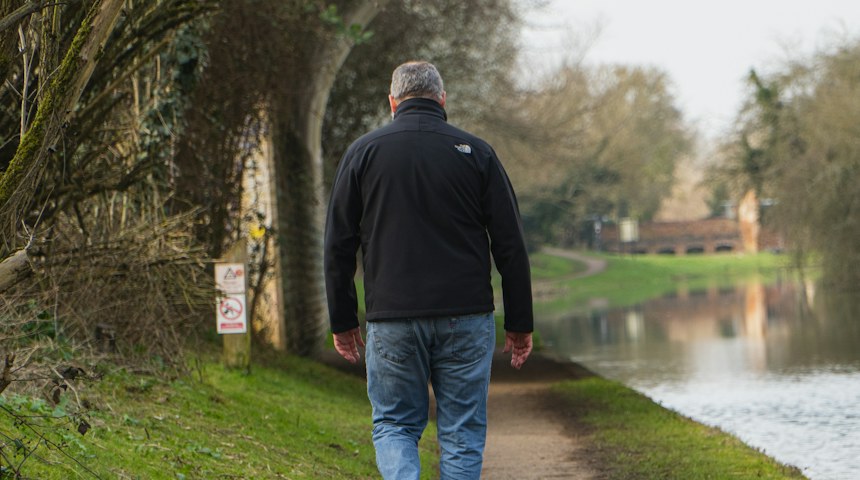
The Camino Francés, or French Way, is the most popular route. It traditionally begins in Saint-Jean-Pied-de-Port in the French Pyrenees and covers roughly 780 kilometres to Santiago, taking most walkers around five weeks. It passes through Pamplona, Burgos and León, crossing mountains, vineyards and the vast plains of the Meseta, and it offers excellent infrastructure and a strong sense of community among pilgrims.
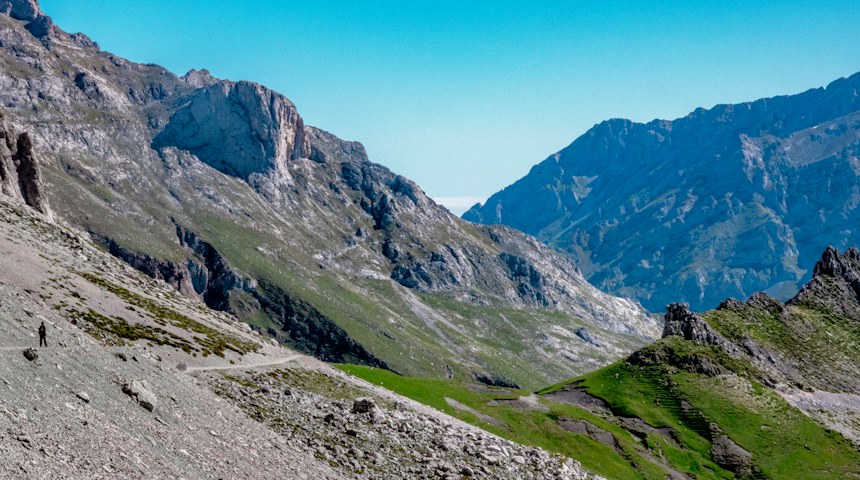
Other routes offer different experiences. The Camino Portugués from Lisbon or Porto is popular and slightly gentler, with a beautiful coastal variant. The Camino del Norte follows Spain’s rugged northern coastline and is more demanding, while the Camino Primitivo, the original route from Oviedo, crosses remote mountains and is known as one of the most challenging and rewarding paths.
Walking the Final 100 Kilometres
Many people who have limited time walk only the final section of a route. To receive the Compostela, the certificate awarded to pilgrims in Santiago, you must walk at least the last 100 kilometres or cycle the last 200 kilometres, collecting stamps along the way. On the Camino Francés, this usually means starting in Sarria, a walk that typically takes five to seven days.
The final stretch is the busiest part of the Camino, especially in summer, so booking accommodation in advance is wise. It offers a wonderful introduction to Camino life and the green, rolling landscapes of Galicia.
The Pilgrim Credential and Stamps
Before you start, obtain a pilgrim credential, known as a credencial, which acts as your Camino passport. It can be obtained from pilgrim associations, some churches and albergues at popular starting points. Collect stamps, called sellos, from albergues, churches, cafés and town halls along the way, and in the final 100 kilometres collect at least two stamps per day to qualify for the Compostela.
When you arrive in Santiago, present your credential at the Pilgrim Office to receive your Compostela. Many pilgrims also attend the pilgrim mass at the cathedral, a moving way to mark the end of the journey.
Where to Sleep: Albergues and More
Albergues, or pilgrim hostels, are a central part of Camino life. Public and municipal albergues offer simple dormitory accommodation at very low prices, usually on a first-come, first-served basis, while private albergues may accept reservations and often provide more comfort. Sharing meals and stories with fellow pilgrims in the evening is one of the most memorable aspects of the journey.
If you prefer more privacy, guesthouses, rural hotels and small hotels are available in most towns along the main routes. Many companies offer self-guided Camino packages with pre-booked accommodation and luggage transfers, allowing you to walk with only a light daypack.
Daily Life on the Camino
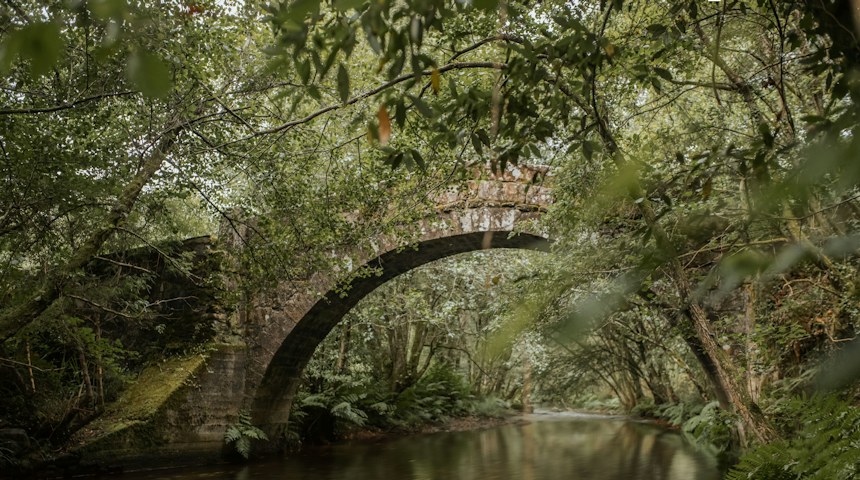
A typical day on the Camino begins early, often before sunrise, to avoid the afternoon heat. Most walkers cover between twenty and thirty kilometres a day, stopping for coffee and breakfast in village cafés and enjoying a pilgrim menu, an inexpensive set meal, in the evening. Yellow arrows and scallop shell symbols mark the route, making it easy to follow.
The rhythm of walking, eating and resting creates a simple and peaceful routine. Many pilgrims describe the Camino as a time to reflect, disconnect from daily pressures and form deep friendships with people from all over the world.
Packing and Preparation
Packing light is essential. Aim to carry no more than about ten percent of your body weight. Essentials include comfortable, broken-in walking shoes or boots, moisture-wicking clothing, a lightweight rain jacket, a sleeping bag liner or light sleeping bag, a first aid kit with blister treatment, a hat and sun protection.
Training before your trip will make the experience more enjoyable. Take long walks with your loaded backpack in the weeks before you go, and pay attention to your feet. Blisters are the most common problem on the Camino, so treat any hot spots early.
When to Walk
Spring and autumn are the most popular times to walk the Camino, offering mild temperatures and beautiful scenery. Summer can be very hot, especially on the Meseta, and the final section becomes crowded. Winter walking is possible but quieter, with some albergues closed and colder, wetter weather, particularly in the mountains and in Galicia.
Arriving in Santiago de Compostela
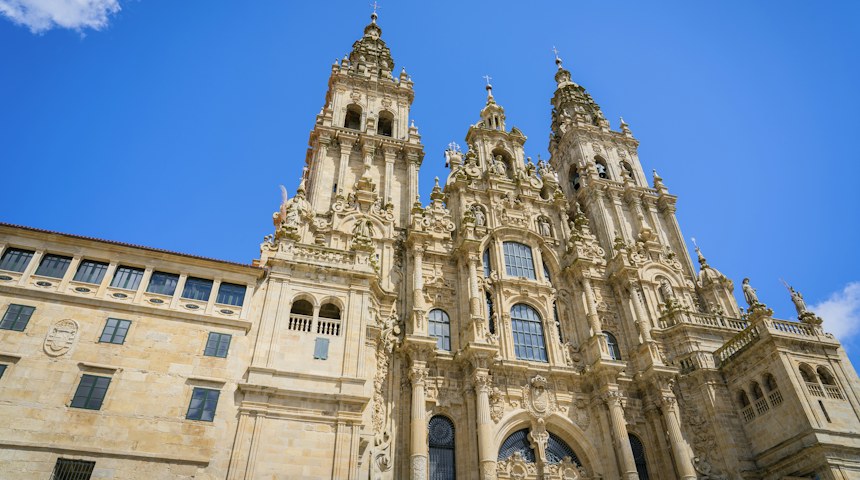
Arriving in the Praza do Obradoiro in front of Santiago’s magnificent cathedral is an emotional moment for many pilgrims. Take time to explore the historic centre, a UNESCO World Heritage Site, and celebrate with Galician specialities such as pulpo a la gallega and tarta de Santiago. Some pilgrims continue to Finisterre or Muxía on the Atlantic coast, once believed to be the end of the known world.
Costs and Budgeting on the Camino
The Camino de Santiago is one of the most affordable long-distance adventures in Europe. Staying in public albergues, eating pilgrim menus and buying snacks from village shops keeps daily costs low, while private rooms, luggage transfers and restaurant meals increase the budget. Carry some cash, as smaller albergues and cafés in rural villages may not accept cards.
To plan the rest of your trip, read our complete guide to Spain on a budget, with tips on trains and buses, tapas and menú del día, free sights and a two-week route through the country.
Final Thoughts on the Camino de Santiago
The Camino de Santiago is far more than a long walk. It is a journey through history, landscapes and cultures, and often a personal journey too. Prepare well, walk at your own pace and stay open to the people and experiences you meet along the way. For more ideas, explore our other Spain travel guides and start planning your adventure.