Spain is one of the best-value destinations in Western Europe. Sun-drenched beaches, vibrant cities, Moorish palaces, lively festivals and some of the world’s most enjoyable food culture can all be experienced without spending a fortune. With a little planning, Spain on a budget is not only possible but genuinely rewarding, because many of the country’s greatest pleasures, from wandering through historic old towns to sharing tapas in a busy bar, cost very little.
This guide explains how to save money on transport, accommodation and food, which cities offer the best value, and how to enjoy free sights and experiences across the country. Whether you are planning a city break in Madrid or a month-long journey through Andalusia, these tips will help your budget go further.
When to Visit Spain for Less
Summer is peak season in Spain, particularly along the coast and in the Balearic Islands, where July and August bring high prices and crowds. Inland cities such as Seville, Córdoba and Madrid can be extremely hot in mid-summer, which makes sightseeing tiring. Spring and autumn offer pleasant temperatures, lower accommodation prices and a more relaxed atmosphere.
Winter is an excellent time for budget travellers to visit the south, where the weather remains mild and sunny, and cities such as Seville, Málaga and Valencia are far quieter. Be aware that prices rise sharply during major festivals such as Holy Week, the Seville April Fair and Valencia’s Las Fallas, so book early or avoid those dates if saving money is your priority.
Getting Around Spain Cheaply
Spain has a modern high-speed rail network linking cities such as Madrid, Barcelona, Seville, Valencia and Málaga. Competition between several operators on major routes has made fares much cheaper, especially when booked in advance. Regional and medium-distance trains are slower but often very affordable, and they reach many smaller towns.
Long-distance buses are the cheapest way to travel between many destinations, particularly in Andalusia, where buses connect cities and white villages efficiently. Low-cost flights are useful for reaching the Balearic and Canary Islands. Within cities, walking and public transport are inexpensive and convenient, and many cities offer multi-trip transport cards that reduce the cost of each journey.
Where to Stay on a Budget
Hostels in Spain are generally modern, clean and sociable, and they are found in every major city as well as many smaller towns. Budget hotels and family-run guesthouses known as hostales and pensiones offer simple private rooms at good prices, often in central locations. Booking directly with smaller properties can sometimes secure better rates.
Staying outside the most touristy districts can save money while giving you a more authentic experience. In Barcelona and Madrid, neighbourhoods slightly away from the main sights are cheaper and well connected by metro. Some cities, including Barcelona, charge a tourist tax per night, so factor this into your budget.
Eating Well for Less

Spain’s food culture is wonderful for budget travellers. Tapas bars serve small plates that allow you to try a variety of dishes without ordering a full meal, and in some cities, particularly Granada, León and parts of Andalusia, a small tapa may come free with each drink. Sharing several tapas with friends is often cheaper than a sit-down dinner.
The menú del día, a fixed-price lunch menu offered by many restaurants on weekdays, is one of the best deals in Spain, usually including a starter, main course, dessert or coffee, bread and a drink. Markets such as Mercado de San Miguel in Madrid and local municipal markets in every city are great places to buy fresh produce and snacks for picnics.
Best Value Cities and Regions
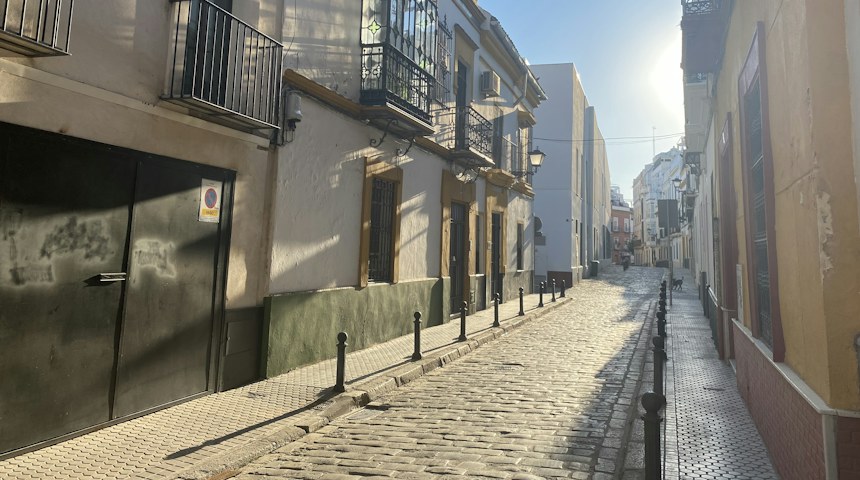
Andalusia offers some of the best value in Spain, with a wealth of history, culture and food at relatively low prices. Seville enchants with its cathedral, orange-scented plazas, tile-covered palaces and flamenco performances, many of which are surprisingly affordable. Its compact old town is perfect for exploring on foot, and lively neighbourhoods such as Triana have excellent local tapas bars.

Granada combines the breathtaking Alhambra with a lively student atmosphere and generous free tapas culture. Book Alhambra tickets well in advance, as they sell out quickly. Córdoba, with its extraordinary Mezquita-Catedral, and smaller cities such as Cádiz and Valencia, also offer outstanding experiences for budget travellers.
Free and Cheap Things to Do
Many of Spain’s greatest attractions are free or offer free entry at certain times. In Madrid, the Prado Museum and the Reina Sofía offer free entry during specific hours on most days, and the Retiro Park is perfect for a relaxing afternoon. Many cathedrals, palaces and museums across Spain also have free entry periods, so check websites before you visit.
Wandering through historic quarters, watching the sunset from viewpoints, relaxing on public beaches and attending local festivals are some of the best experiences in Spain, and they cost nothing. Free walking tours are available in most major cities and are a great introduction to local history and culture.
The Coast on a Budget

Spain’s coastline offers excellent value outside peak summer. Málaga, on the Costa del Sol, combines city beaches, museums and a lively food scene with affordable accommodation and easy airport access. Valencia offers wide sandy beaches, the futuristic City of Arts and Sciences and the chance to eat authentic paella in the city where it was born.
Sample Two-Week Budget Route
A great two-week budget route starts in Madrid with three days of museums, parks and tapas, followed by a day trip to Toledo. Take a train or bus south to Córdoba for a night to see the Mezquita, then continue to Seville for three days. From there, travel to Granada for two or three days to visit the Alhambra and enjoy free tapas, before finishing on the coast in Málaga.
This route uses affordable buses and advance-purchase trains, focuses on cities with excellent value for money and gives you a rich introduction to Spanish history, architecture and food without the higher costs of Barcelona or the islands.
A Sample Daily Budget for Spain
Spain offers excellent value compared with many Western European countries, but costs differ by region. Andalusia, Galicia, Extremadura and inland Castile are generally the cheapest, while Barcelona, Madrid, the Basque Country and the Balearic Islands are the most expensive. A backpacker staying in hostels, eating menú del día lunches and tapas dinners and using buses can travel on a modest daily budget, while a mid-range traveller in small hotels with a few paid attractions should plan for roughly double.
Paid sights such as the Alhambra, the Sagrada Família and the Royal Alcázar of Seville are among the biggest single expenses, so book them in advance and plan your spending around them. Transport costs can be kept low with buses and advance train tickets, while city tourist taxes in some regions add a small amount to accommodation bills.
Common Budget Mistakes in Spain
Eating dinner on the busiest tourist squares, ordering from picture menus and drinking on prime terraces are the quickest ways to overspend. Walking just a few streets away usually brings better food at lower prices. Another mistake is ignoring Spanish mealtimes; arriving at a restaurant at six in the evening often means limited options, while the best-value lunch menus are served from around two until four.
Travellers also sometimes buy high-speed train tickets at the last minute, when fares are highest. Booking early or choosing buses for shorter routes saves a lot. Finally, visiting the most famous attractions without reservations can lead to sold-out days and expensive tour packages as the only option.
Frequently Asked Questions About Spain on a Budget
Is Spain cheap to travel? Spain is one of the more affordable countries in Western Europe, especially in the south and inland regions. Food, wine and public transport are particularly good value.
What is the cheapest region of Spain? Andalusia, Extremadura, Galicia and much of inland Spain offer lower prices for accommodation and food than Barcelona, Madrid or the islands.
Are tapas free in Spain? In some cities, especially Granada, Jaén, León and parts of Andalusia, a small tapa is traditionally served free with each drink. Elsewhere, tapas are ordered and paid for separately.
What is the best month to visit Spain on a budget? Spring and autumn, particularly March to May and October, offer pleasant weather and lower prices, while winter is excellent value in the south.
More Spain Travel Guides
Travelling alone? Our guide to solo travel in Spain covers Madrid, Andalusia and tips for meeting people. If you are visiting Catalonia, read our Barcelona travel guide for where to stay, Gaudí’s highlights and the best places to eat.
For adventure, our Camino de Santiago guide explains routes, albergues and how to prepare for the pilgrimage. And for a special treat, discover our luxury Mallorca and Ibiza guide to the best hotels, villas and yacht trips in the Balearic Islands.
Affordable Experiences Worth Paying For
Some experiences in Spain are worth a little extra spending because they offer exceptional value. Seeing a flamenco performance in Seville, Granada or Madrid can be surprisingly affordable at smaller venues and cultural centres, and the passion of a live show is unforgettable. A guided visit to the Alhambra, the Mezquita-Catedral of Córdoba or the Royal Alcázar of Seville adds depth to some of the most beautiful buildings in Europe.
Food experiences are another worthwhile splurge. A cooking class focused on paella or tapas, a visit to a sherry bodega in Jerez de la Frontera or a vermouth tasting in Madrid offers insight into Spanish culture at a reasonable price. Choosing a handful of these highlights and keeping the rest of your trip simple is a smart way to balance your budget.
Where to Find Cheap Accommodation
In Madrid, neighbourhoods such as Lavapiés, La Latina and Malasaña offer central locations with good-value hostels and guesthouses. In Barcelona, consider Gràcia, Sant Antoni or Poblenou rather than the area around La Rambla. In Seville, staying in Triana or the Macarena district can be cheaper than the cathedral area, while in Granada, the streets around the Albaicín and the city centre have plenty of affordable options.
Booking several weeks ahead, especially for weekends and festival dates, usually secures the best prices. Look for properties with kitchens if you plan to prepare some meals, and check whether breakfast is included, as a hearty breakfast can reduce your food costs for the rest of the day.
Final Tips for Spain on a Budget
Eat your main meal at lunchtime to take advantage of menú del día deals, travel by bus for regional journeys and book train tickets early for long distances. Embrace Spanish timing by enjoying a long lunch and a late dinner, and explore beyond the most famous cities to find the best value.
Spain rewards travellers who slow down and live like locals. For more ideas, explore our other Spain travel guides and start planning your trip.