Spain is a fantastic country for solo travel. Its cities are lively and welcoming, its trains are fast and efficient, and its social culture, built around tapas bars, plazas and late-night strolls, makes it easy to feel part of the action even when you are travelling alone. Whether you want to explore world-class museums, relax on sunny beaches or soak up the energy of local festivals, travelling solo in Spain offers freedom, flexibility and plenty of opportunities to meet people.
This guide covers safety tips, the best cities for solo travellers, how to eat alone, getting around and ways to connect with others. Whether it is your first solo trip or your tenth, Spain is an easy and rewarding place to explore independently.
Why Spain Works for Solo Travellers
Spanish life happens outdoors, in plazas, markets and bars, which means solo travellers are never far from activity. Standing at a tapas bar counter is a normal way to eat, and sharing tables or chatting with strangers is common in many places. Hostels are modern and sociable, and free walking tours run in almost every city.
Spain is also well organised and easy to navigate. High-speed trains connect major cities, buses reach smaller towns, and historic centres are compact and walkable. English is widely spoken in tourist areas, although learning a few Spanish phrases will make interactions warmer and more enjoyable.
Staying Safe in Spain
Spain is generally safe for solo travellers, including women. The main issue is pickpocketing in crowded areas, particularly in Barcelona and Madrid, on public transport and in busy tourist spots. Keep valuables secure, use a bag that closes, never leave phones on café tables and be wary of distraction techniques.
At night, Spanish cities stay lively until late, which can make walking home feel safer, but it is still wise to stick to busy, well-lit streets and use licensed taxis or ride-hailing apps when needed. Keep an eye on your drink in bars and clubs, and share your plans with someone at home.
Madrid: Culture and Nightlife
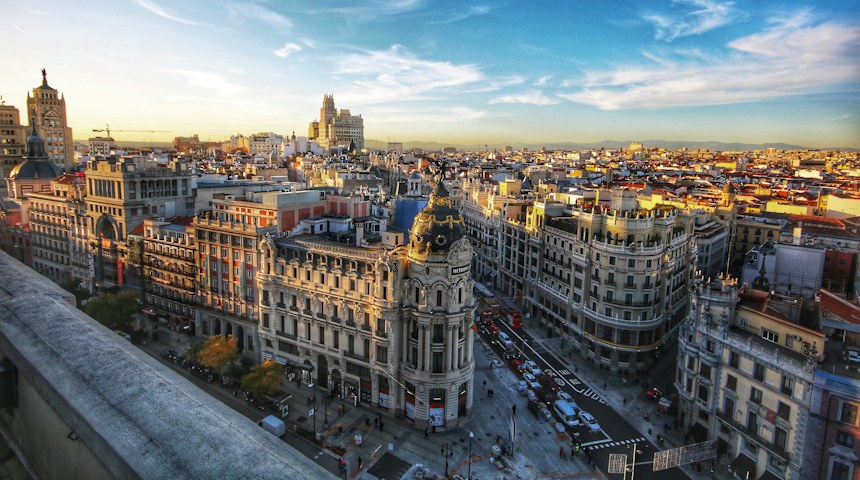
Madrid is an excellent base for solo travellers. Its world-famous art museums, including the Prado, the Reina Sofía and the Thyssen-Bornemisza, can easily fill several days, and the Retiro Park is perfect for a relaxed afternoon. The city’s neighbourhoods each have their own character, from the historic Austrias district to the lively bars of La Latina and the creative streets of Malasaña.
Madrid is famous for its nightlife, which starts late and continues into the early hours. Joining a tapas tour or a hostel bar crawl is an easy way to meet people and discover local favourites.
Andalusia: Seville, Granada and Córdoba
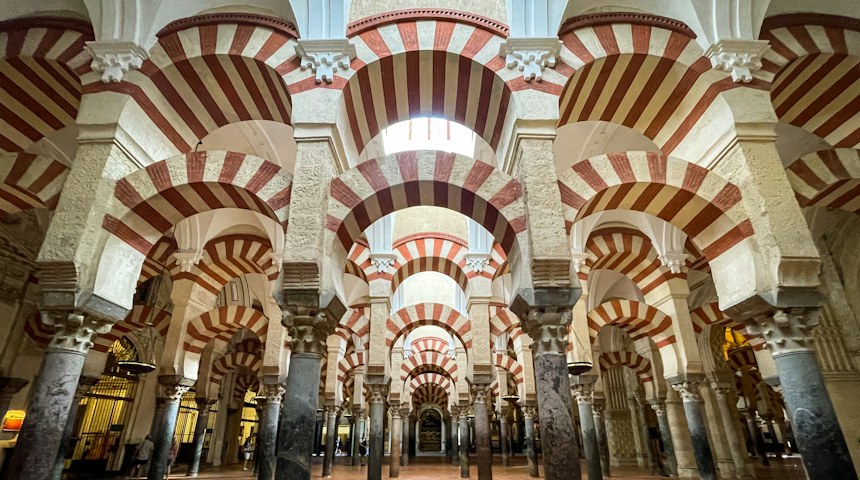
Andalusia is a dream region for solo travellers, combining history, culture and warm hospitality. Seville is romantic and lively, with its cathedral, Royal Alcázar and colourful neighbourhoods. Córdoba’s Mezquita-Catedral, with its forest of striped arches, is one of the most extraordinary buildings in Europe, and its flower-filled patios are especially beautiful in spring.
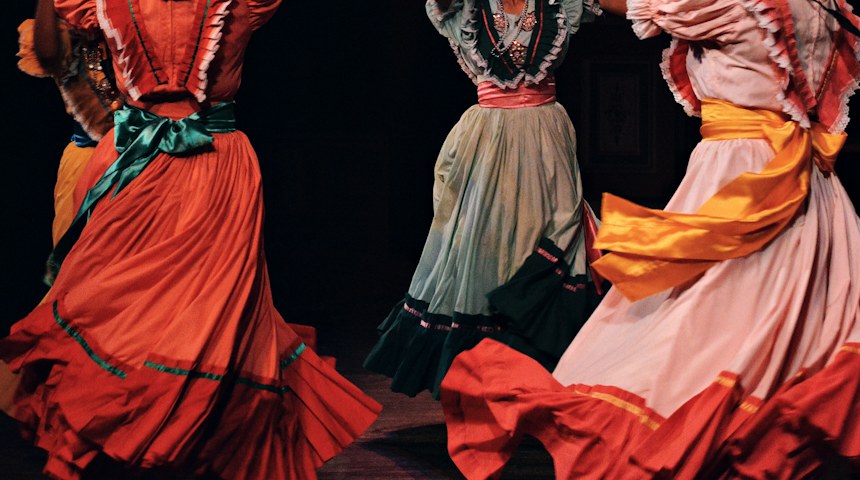
Granada offers the magnificent Alhambra, the hillside Albaicín district and a famous free tapas culture that makes eating alone easy and affordable. In the evening, catch a flamenco performance in Seville or in the caves of Granada’s Sacromonte district, a powerful and moving experience that many solo travellers count among the highlights of their trip.
Barcelona and Valencia
Barcelona is one of the most popular cities in Europe for solo travel, combining Gaudí’s architecture, beaches, markets and a lively social scene. Valencia, on the coast to the south, is more relaxed but equally rewarding, with a beautiful old town, the futuristic City of Arts and Sciences, long sandy beaches and the chance to taste authentic paella.
Eating Alone in Spain
Eating alone in Spain is easy and fun. Tapas bars are ideal for solo diners, as you can order a few small plates at the counter and chat with the bartender or fellow customers. The menú del día at lunchtime offers excellent value and is a popular choice for locals eating alone during the working week.
Remember that Spaniards eat late, with lunch usually between two and four in the afternoon and dinner often after nine. Adapting to these hours makes it easier to enjoy the atmosphere, and restaurants are livelier during local mealtimes.
Day Trips and Getting Around
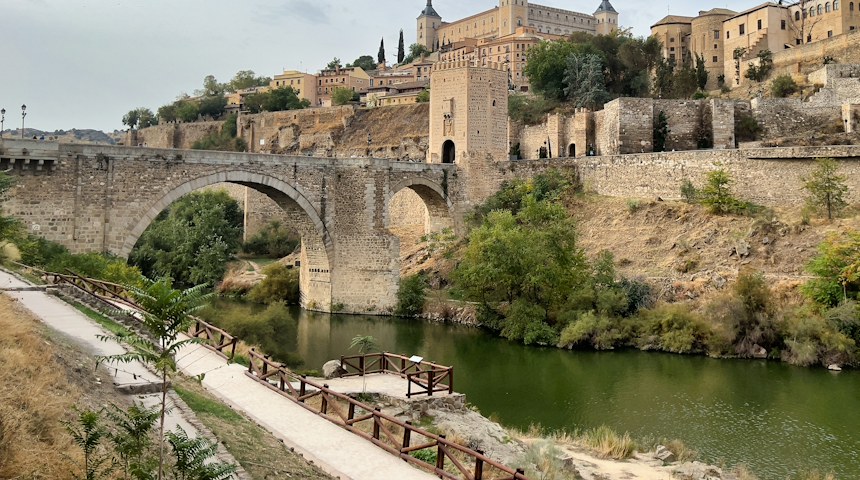
Spain’s trains make day trips easy for solo travellers. From Madrid, visit Toledo, a medieval city of churches, synagogues and mosques perched above a river gorge, or Segovia, famous for its Roman aqueduct and fairytale castle. From Seville, Córdoba and Cádiz are within easy reach, while from Barcelona, Girona and Montserrat make rewarding excursions.
Book high-speed train tickets in advance for the best fares, and use regional buses for smaller towns and villages. Within cities, metro systems and buses are inexpensive and efficient, and walking is often the best way to explore historic centres.
Meeting People
Hostels, free walking tours, cooking classes, language exchanges and group excursions are all great ways to meet people in Spain. Many cities have regular language exchange events in bars, where locals practise English and travellers practise Spanish in a relaxed setting. Festivals are another fantastic way to connect with others and experience Spanish culture at its most joyful.
Festivals and Experiences Worth Planning Around
Spain’s festivals are among the best in Europe, and they are wonderful for solo travellers because they bring entire communities onto the streets. Seville’s Holy Week and April Fair, Valencia’s Las Fallas with its giant sculptures and fireworks, and the Tomatina tomato fight in Buñol are just a few of the famous celebrations.
Smaller local fiestas take place in towns and villages throughout the year, especially in summer, with music, parades and late-night dancing. Joining in is a fantastic way to meet people and experience Spanish culture at its most joyful, though accommodation books up quickly, so plan ahead.
To plan the rest of your trip, read our complete guide to Spain on a budget, with tips on trains and buses, tapas and menú del día, free sights and a two-week route through the country.
Final Tips for Solo Travel in Spain
Pack light, keep valuables secure and embrace the Spanish rhythm of late meals and evening strolls. Learn a few phrases, stay curious and say yes to new experiences. For more inspiration, explore our other Spain travel guides and start planning your solo adventure.