Thailand has been a favourite destination for budget travellers for decades, and it is easy to see why. Golden temples, tropical islands, misty mountains and some of the best street food in the world are all available at prices that feel refreshingly low compared with Europe, North America or Australia. Whether you are a first-time backpacker or an experienced traveller looking for great value, Thailand on a budget offers an incredible mix of culture, adventure and relaxation without draining your savings.
This guide covers everything you need to plan an affordable trip, including where to stay, what to eat, how to get around, which islands offer the best value and how much you should realistically budget per day. With a few smart choices, you can enjoy weeks of travel in Thailand for the price of a short holiday elsewhere.
Why Thailand Is Perfect for Budget Travellers
Thailand combines low everyday costs with excellent tourism infrastructure. Accommodation, transport and food are inexpensive by international standards, yet buses, trains and ferries are frequent and well organised, and the country has a huge network of guesthouses, hostels and tour operators that cater specifically to independent travellers. This makes it easy to travel spontaneously, change plans and find good value wherever you go.
The well-worn backpacker trail also means you will meet plenty of fellow travellers, share tips and find companions for day trips, which helps keep costs down. At the same time, it is easy to step off the main route into quieter towns and national parks where prices are even lower and local life feels more authentic.
The Best Time to Visit Thailand on a Budget
Thailand’s high season runs roughly from November to February, when the weather is drier and cooler across much of the country. This is the most comfortable time to visit, but it is also when prices for accommodation and flights are at their highest, particularly around Christmas, New Year and Chinese New Year. The hot season from March to May brings intense heat, while the rainy season from roughly June to October brings regular showers.
For budget travellers, the shoulder months and the rainy season can offer real savings. Rain often falls in short, heavy bursts rather than all day, the landscapes are green and lush, and hotels frequently cut their rates. Note that the Gulf of Thailand islands such as Koh Samui, Koh Phangan and Koh Tao have a slightly different weather pattern from the Andaman coast, with their wettest months later in the year, so you can often find good weather somewhere in the country.
Where to Stay for Less
Accommodation in Thailand ranges from simple dorm beds to luxury resorts, and budget travellers are spoilt for choice. Hostels in Bangkok, Chiang Mai, Phuket and the islands are clean, social and inexpensive, many with swimming pools, rooftop bars and organised activities. Guesthouses and small family-run hotels offer private rooms with fans or air conditioning at prices that are often only slightly higher than a dorm bed elsewhere in the world.
To save money, choose fan rooms instead of air conditioning in cooler areas, book directly with guesthouses when possible, and stay a little outside the most famous tourist areas. In Bangkok, areas such as Banglamphu near Khao San Road and the neighbourhoods along the riverside offer good value and easy access to the main sights. On the islands, staying away from the busiest beaches can significantly cut costs while still keeping you close to the sea.
Eating Well on a Tight Budget
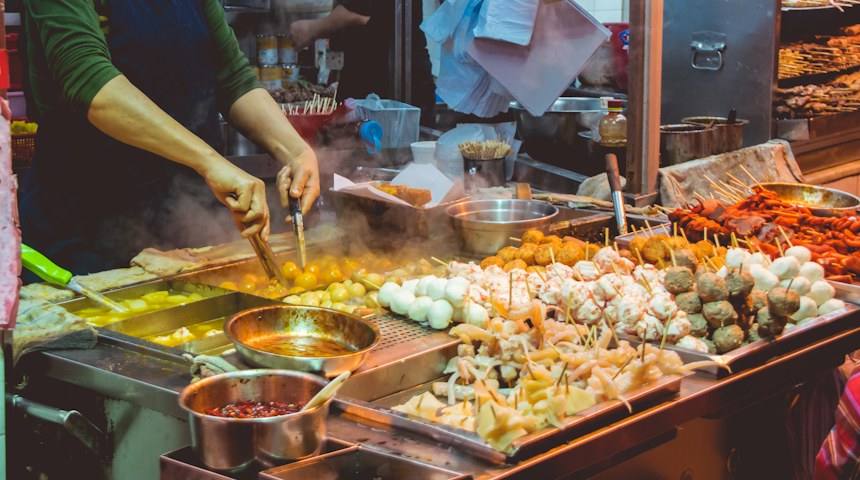
Thai street food is one of the great joys of travelling in Thailand, and it is also one of the cheapest ways to eat well. Noodle soups, pad thai, fried rice, grilled meat skewers, papaya salad and mango sticky rice are sold from carts and small shophouses on almost every street, often for just a few dollars per dish. Night markets are a fantastic way to try many dishes at once while soaking up the local atmosphere.
Look for busy stalls with a high turnover of customers, which is usually a sign of fresh and delicious food. Local restaurants without English menus are often cheaper than tourist-oriented places, and pointing at what others are eating works perfectly well. Avoid eating every meal in restaurants on the main tourist strips, where prices can be several times higher. Drink bottled or filtered water, and refill your own bottle at water stations where available to save money and reduce plastic waste.
Getting Around Thailand Cheaply
Thailand has an extensive and affordable transport network. Overnight trains are a classic budget option for long journeys such as Bangkok to Chiang Mai, saving you the cost of a night’s accommodation while offering a comfortable sleeper berth and scenic views in the morning. Long-distance buses are even cheaper and connect nearly every town in the country, while minivans handle shorter routes.
Domestic low-cost airlines can be surprisingly cheap when booked in advance and are worth considering for long distances, such as flying from Chiang Mai to Phuket or Krabi. In Bangkok, use the BTS Skytrain, the MRT subway and river boats rather than taxis to avoid traffic and save money. Ride-hailing apps help you avoid negotiating fares, but local songthaew shared trucks remain the cheapest way to get around many smaller towns.
Free and Cheap Things to Do in Bangkok
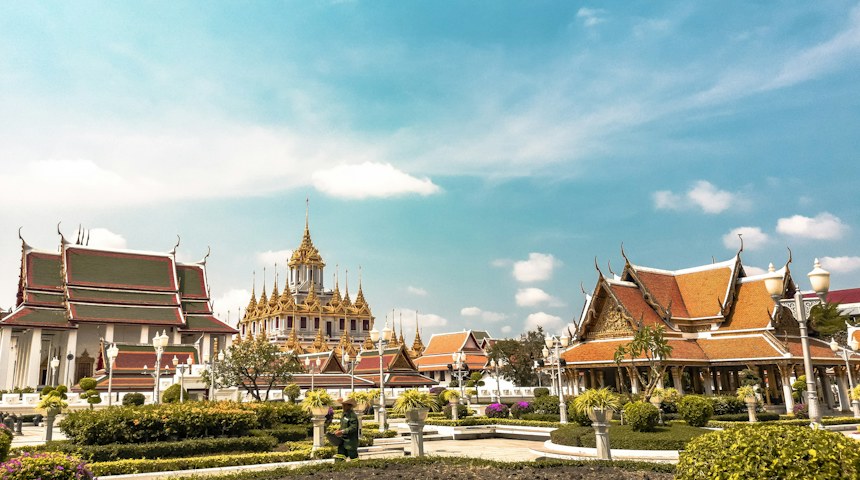
Bangkok offers plenty of affordable experiences. While the Grand Palace charges a significant entry fee, many other temples are inexpensive or free, and their beauty is just as striking. Wat Arun, Wat Pho with its giant reclining Buddha and the many smaller neighbourhood temples are wonderful to explore. Riding the public Chao Phraya Express Boat along the river is one of the cheapest and most scenic ways to see the city.
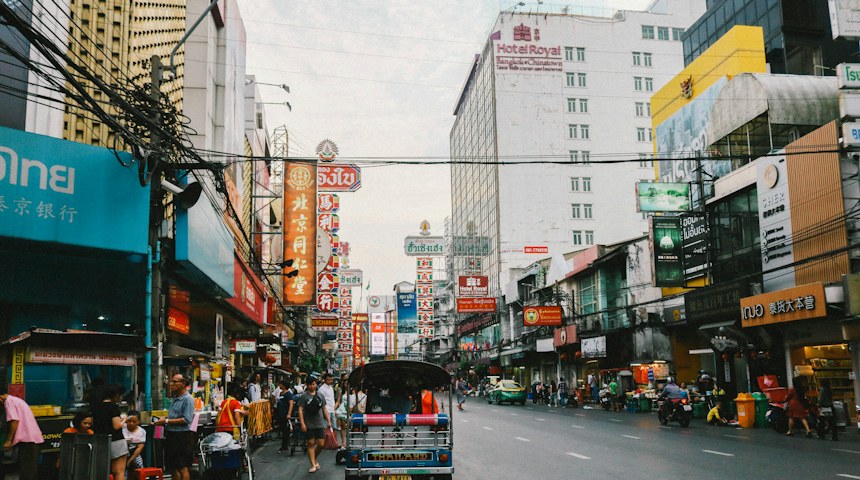
Wander through Chinatown in the evening for street food and neon lights, explore the huge Chatuchak Weekend Market, or relax in Lumphini Park, where locals jog, practise tai chi and watch the monitor lizards. Exploring neighbourhoods on foot, visiting local markets and enjoying the street life is often more memorable than any paid attraction.
Northern Thailand on a Budget
Chiang Mai is a favourite base for budget travellers, offering lower prices than Bangkok, a relaxed atmosphere and more than three hundred temples. The old city is easy to explore on foot or by rented bicycle, and the famous night bazaar and weekend walking streets are perfect for cheap food and souvenirs. Cooking classes, meditation retreats and day trips to waterfalls and national parks are all good value.
The mountain town of Pai, a few hours away, is popular with backpackers for its laid-back vibe, hot springs and scenic viewpoints. Chiang Rai, with its striking White Temple and Blue Temple, makes another rewarding stop. Renting a scooter is common in the north, but only do so if you are an experienced rider, wear a helmet and have the correct licence and insurance.
Island Hopping Without Overspending
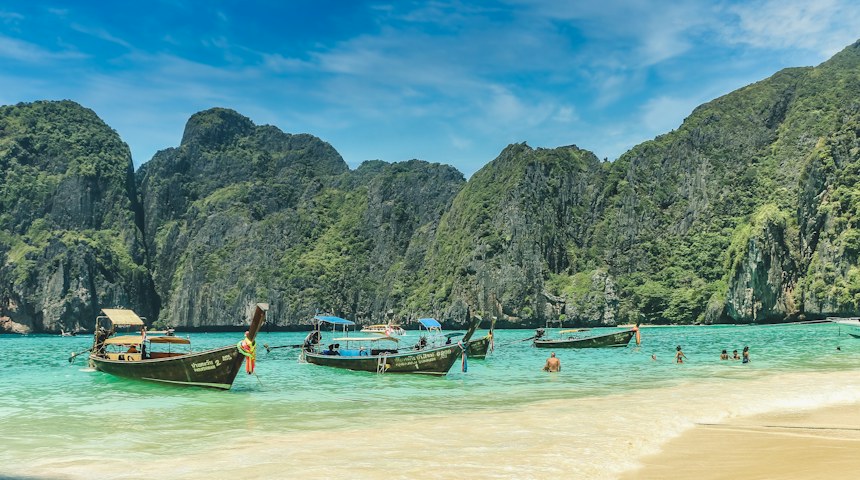
Thailand’s islands can be more expensive than the mainland, but there are still ways to enjoy them on a budget. Koh Lanta, Koh Phangan outside of party weeks, and Koh Tao offer a range of affordable bungalows and hostels, while smaller islands such as Koh Lipe and Koh Mook provide a quieter escape. Ferry and bus combination tickets from the mainland are usually cheaper than booking each leg separately.
Rather than paying for multiple organised tours, consider renting a kayak, snorkelling straight from the beach or joining a shared longtail boat trip. Diving courses on Koh Tao are among the most affordable in the world, making it a popular place to get certified. Avoid island-hopping too quickly, as ferry costs add up, and staying longer in one place often brings better accommodation deals.
A Realistic Daily Budget for Thailand
Your daily budget will depend on your travel style and the places you visit. A careful backpacker staying in dorms, eating street food and using local transport can travel comfortably on a modest daily amount, while those who prefer private rooms with air conditioning, occasional restaurant meals and a few tours should plan for somewhat more. Bangkok and the popular islands tend to be the most expensive areas, while northern and northeastern Thailand are cheaper.
Remember to budget separately for flights, travel insurance, visas if required and occasional splurges such as diving or cooking classes. Withdrawing larger amounts at once helps reduce foreign ATM fees, and carrying some cash is essential, as many markets and small businesses do not accept cards. Always check the latest entry requirements before you travel, as rules for visa exemptions and arrival registration can change.
Frequently Asked Questions About Thailand on a Budget
Is Thailand still cheap to travel? Yes. Although prices have risen in popular areas, Thailand remains one of the best-value destinations in the world, especially for food, transport and guesthouse accommodation.
What is the cheapest way to travel around Thailand? Buses and overnight trains are the cheapest options for long distances, while low-cost domestic flights can be good value when booked in advance.
Which areas of Thailand are cheapest? Northern and northeastern Thailand, including Chiang Mai, Pai and the Isaan region, are generally cheaper than Bangkok, Phuket and the most popular islands.
When is the best time to visit Thailand on a budget? The shoulder months and rainy season, roughly from May to October, bring lower accommodation prices, although weather varies between the Andaman coast and the Gulf islands.
More Thailand Travel Guides
Travelling alone? Read our guide to solo travel in Thailand for safety tips and the best routes. Heading south? Our Thailand island hopping guide covers Phuket, Krabi, Koh Phi Phi and beyond.
For adventure in the mountains, explore our northern Thailand adventure guide, and when it is time to treat yourself, discover our guide to luxury resorts and villas in Thailand.
Final Thoughts on Thailand on a Budget
Thailand proves that unforgettable travel does not have to be expensive. By eating where locals eat, using overnight trains and buses, choosing simple accommodation and travelling slowly, you can explore bustling cities, ancient temples, jungle-covered mountains and white-sand beaches for far less than you might expect. For more ideas, explore our other Thailand travel guides and start planning your adventure today.