Cambodia packs an extraordinary amount into a small country. In just a couple of weeks you can watch the sun rise over Angkor Wat, explore the riverside capital of Phnom Penh, cycle through pepper farms near Kampot and relax on quiet tropical islands. It is also one of the most affordable countries in Southeast Asia, with cheap guesthouses, inexpensive street food and a friendly, welcoming culture.
This guide explains how to plan a budget trip to Cambodia, from buying the right Angkor pass to finding cheap transport and food. It covers the main stops on a typical route and includes practical advice on costs, money and the best time to visit, so you can see the highlights without overspending.
Planning Your Cambodia Route
A classic two-week route starts in Siem Reap for the temples of Angkor, continues to Phnom Penh, and then heads south to Kampot, Kep and the islands off the coast. Many travellers combine Cambodia with Thailand, Laos or Vietnam, as there are good overland connections to all three countries.
Most visitors need a visa, which can be obtained as an e-visa online or on arrival at major airports and land borders. Use the official e-visa website to avoid unofficial agents, and keep a passport photo and US dollars handy if you plan to get a visa on arrival.
Siem Reap and the Temples of Angkor
Siem Reap is the gateway to Angkor, the vast former capital of the Khmer Empire and one of the world’s great archaeological sites. Angkor passes are sold for one, three or seven days, and the three-day pass offers the best value for most people. Buy your pass only at the official ticket office or through the official online channel, and keep it with you, as it is checked at the main temples.
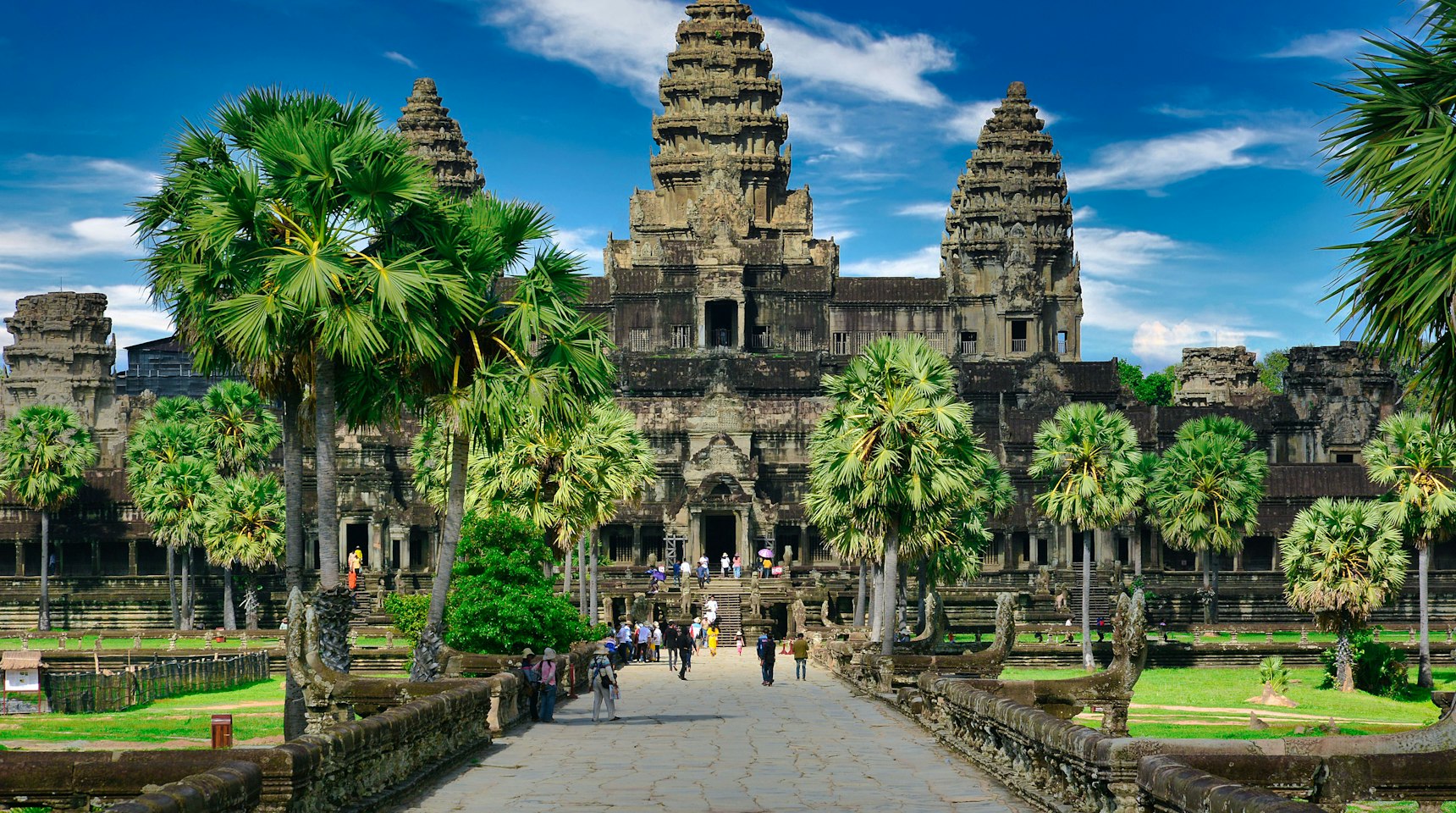
To save money, rent a bicycle and explore the closer temples such as Angkor Wat, Angkor Thom and the Bayon on your own. For more distant sites such as Banteay Srei or Beng Mealea, share a tuk-tuk with other travellers to split the cost. Arrive at Angkor Wat for sunrise, then visit Ta Prohm, the jungle-covered temple, in the early morning before it gets busy.
Back in town, Siem Reap has plenty of cheap guesthouses and hostels, many with swimming pools. Pub Street is lively in the evenings, but you will find better-value food at the local markets and small family-run restaurants a few streets away.
Phnom Penh: History and Riverside Life
Cambodia’s capital sits where the Mekong and Tonle Sap rivers meet. Spend a day exploring the Royal Palace and Silver Pagoda, the National Museum and the busy Central Market, and walk along the riverside promenade at sunset. The Independence Monument and the leafy streets around it are pleasant places to wander in the evening.
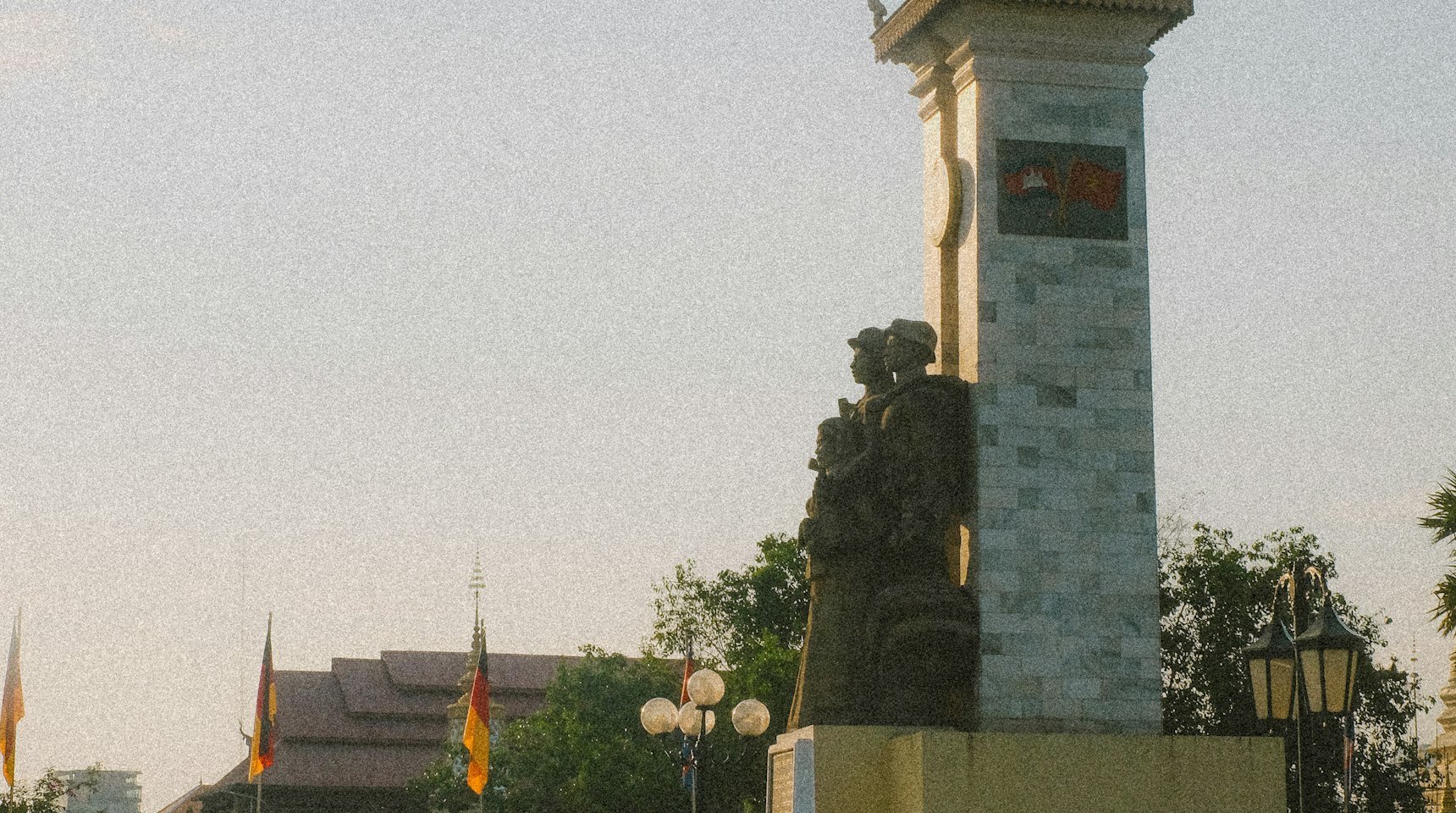
A visit to the Tuol Sleng Genocide Museum and the Choeung Ek memorial helps visitors understand the tragedy of the Khmer Rouge era. It is a sobering but important experience, and the audio guides provide moving testimonies. Allow time afterwards to reflect, as many people find the visit emotionally difficult.
Kampot and Kep: Relaxed Riverside Living
Kampot is a laid-back riverside town surrounded by green countryside and mountains. Rent a bicycle or scooter and visit pepper farms, where Kampot’s famous pepper is grown, explore the limestone caves and pagodas around the town, and take a sunset boat trip on the river. Bokor National Park, with its misty plateau and abandoned colonial buildings, makes a good day trip.
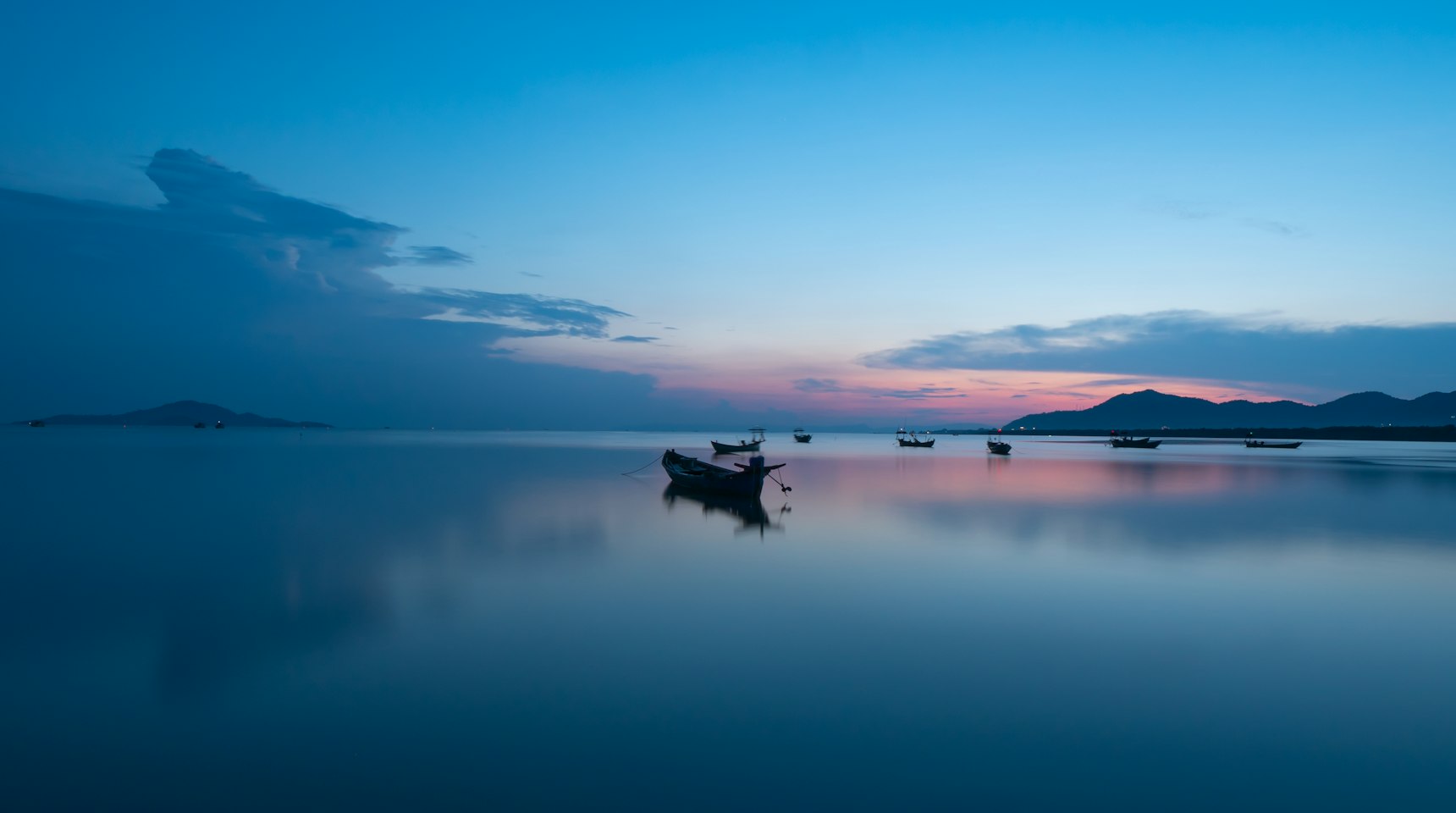
Nearby Kep is known for its crab market, where you can eat freshly caught crab cooked with green Kampot pepper at very low prices. From Kep, boats run to Koh Tonsay, a quiet island with simple bungalows and beaches.
Cambodia’s Islands on a Budget
Off the coast near Sihanoukville, the islands of Koh Rong and Koh Rong Samloem offer white-sand beaches, clear water and glowing bioluminescent plankton at night. Accommodation ranges from simple beach huts and hostels to more comfortable bungalows, and prices are lower on weekdays and outside the peak season.
Travel straight through Sihanoukville to the ferry pier rather than staying in the city itself, which has changed rapidly in recent years. Ferries to the islands are affordable, but check the schedule and buy return tickets in advance during busy periods.
Getting Around Cambodia
Buses connect all the main destinations and are the cheapest way to travel. Minivans are faster but often crowded, while larger buses are more comfortable for long journeys such as Siem Reap to Phnom Penh. Night buses with flat sleeper berths save on accommodation for longer routes.
In towns, tuk-tuks are the main form of transport. Use ride-hailing apps such as Grab or PassApp to see the fare upfront and avoid haggling. Renting a bicycle is the cheapest way to explore smaller towns and the countryside.
Eating Cheaply in Cambodia
Khmer food is fresh, fragrant and generally very good value. Try fish amok, a delicate coconut curry steamed in banana leaves, lok lak stir-fried beef, and nom banh chok, rice noodles with a fish-based green curry that is a popular breakfast. Markets and street stalls offer the cheapest meals, along with fresh fruit shakes and sugarcane juice.
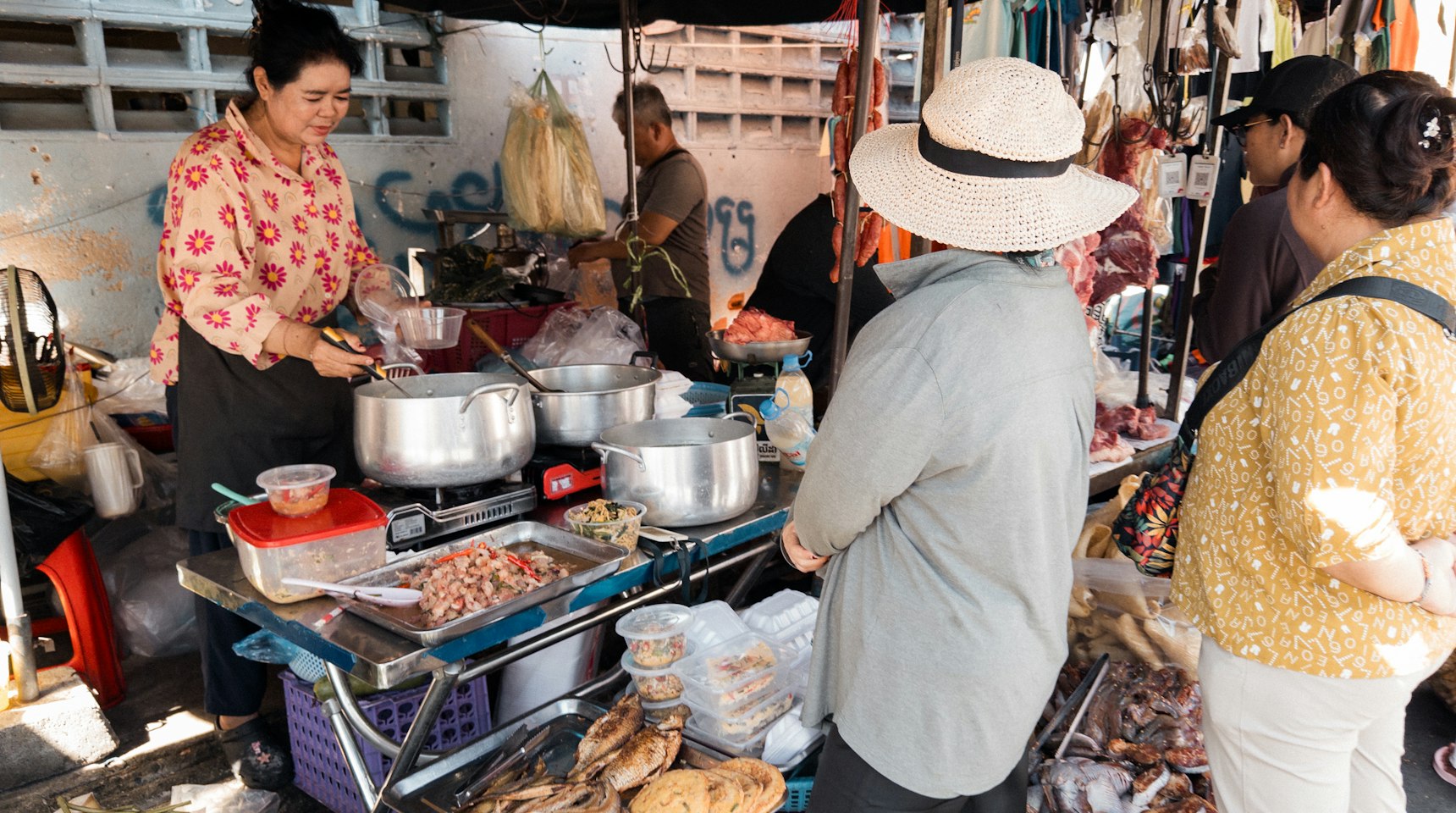
Breakfast of bai sach chrouk, grilled pork with broken rice, is a filling and cheap way to start the day. Happy hours in tourist areas make drinks inexpensive, but local beer is affordable at any time.
Money and Daily Costs
Cambodia uses two currencies: the US dollar is widely accepted for most purchases, while Cambodian riel is used for small change. ATMs usually dispense dollars, so make sure you have small notes, and do not accept torn or damaged bills, as they are often refused.
Backpackers can travel on around 25 to 30 US dollars per day, staying in dorms, eating local food and travelling by bus. Mid-range travellers should allow around 50 to 70 US dollars per day for private rooms, tuk-tuk tours and restaurant meals. The Angkor pass is your largest single expense, so build it into your budget from the start.
Best Time to Visit Cambodia
The best time to visit Cambodia is the cool, dry season from November to February, when temperatures are more comfortable for temple exploring. March to May is extremely hot, while the rainy season from June to October brings afternoon downpours, lush green landscapes and lower prices.
The green season is an excellent time for budget travellers, as accommodation is cheaper and the temples are much quieter. Just plan your temple visits for the morning, when rain is less likely.
Final Thoughts on Cambodia on a Budget
Cambodia offers an exceptional mix of history, culture and natural beauty at prices that make it easy to travel slowly. Buy a multi-day Angkor pass, eat at the markets, travel by bus and give yourself time to relax in Kampot or on the islands. For more ideas, explore our other Cambodia travel guides, or combine your trip with our Thailand travel guides for a longer journey through the region.