With more than 7,000 islands, the Philippines is one of the world’s great destinations for adventure travel. Towering limestone cliffs rise from turquoise lagoons, Second World War shipwrecks lie beneath clear water, and remote surf breaks roll onto palm-fringed beaches. For travellers who love the outdoors, few countries offer so many ways to explore by boat, kayak, fins and surfboard.
This guide focuses on two of the most rewarding regions for adventure: Palawan, home to El Nido and Coron, and Siargao, the country’s surf capital. It covers how to plan a route, the best activities on each island, how to get around and when to go, so you can build an island-hopping trip full of unforgettable experiences.
Planning Your Philippines Island Route
Distances in the Philippines are large, and most journeys between island groups involve a domestic flight via Manila or Cebu. For a two-week trip, many travellers combine El Nido and Coron in Palawan with a week in Siargao. With three weeks you could add Bohol, Siquijor or the whale sharks and waterfalls of southern Cebu.
Before travelling, complete the free eTravel registration online, which is required for arrivals into the Philippines. Many nationalities can enter visa-free for a set period, but check the current rules for your passport and make sure you have proof of onward travel.
El Nido: Lagoons, Kayaks and Limestone Cliffs
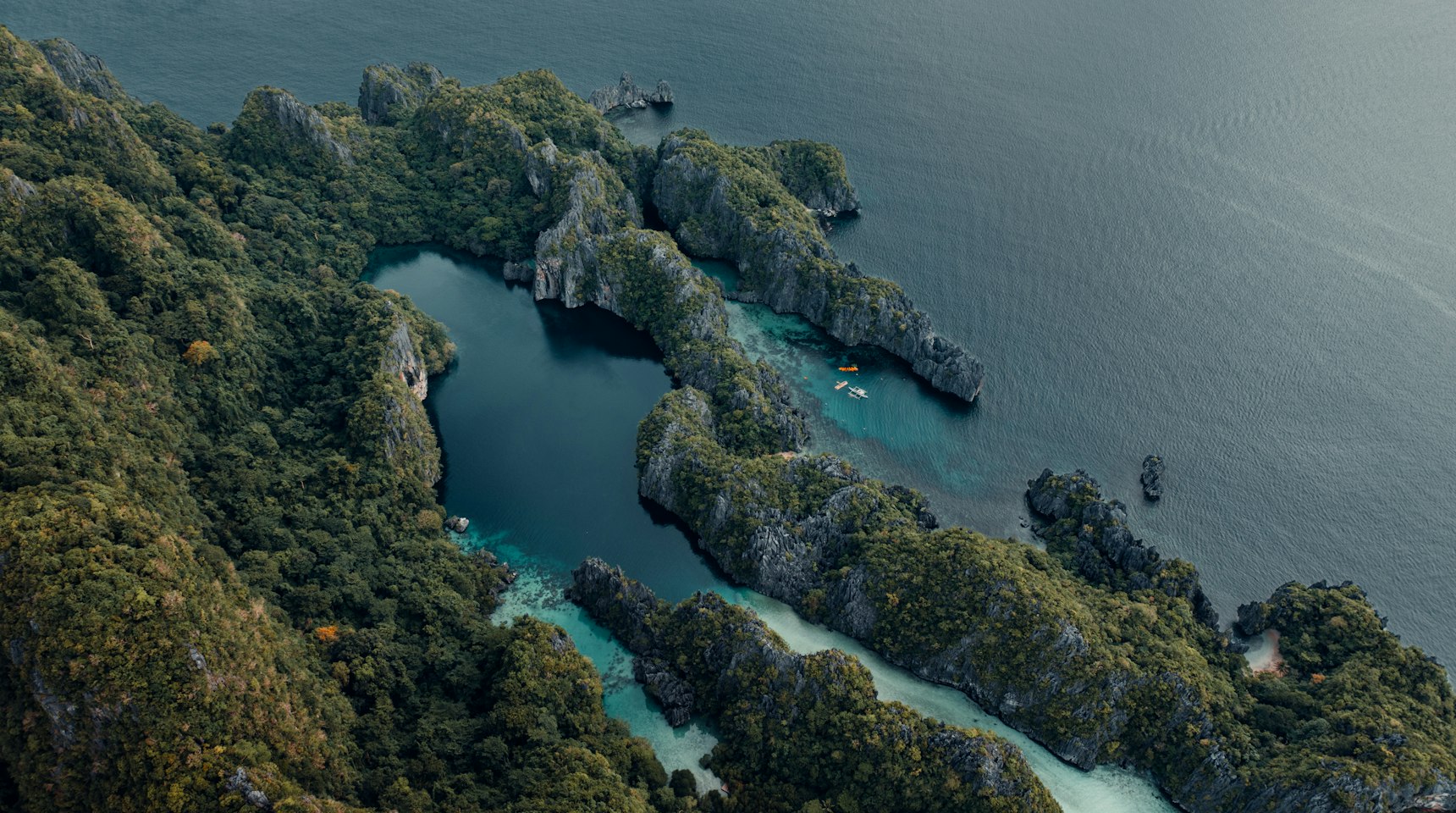
El Nido, in northern Palawan, is famous for the limestone islands of Bacuit Bay. The easiest way to explore is on one of the standard island-hopping tours, labelled Tours A to D, which visit lagoons, beaches and snorkelling spots by traditional bangka boat. Tour A, with the Big and Small Lagoons, is the most popular, and kayaking through the narrow entrance into the lagoons is a highlight.
For more adventure, book a private boat to visit the islands at quieter times, try rock climbing on the cliffs above the town or rent a scooter to ride north to Nacpan Beach. Environmental and lagoon fees apply to many tours, so carry some cash.
Coron: Wreck Diving and Crystal-Clear Lakes
Coron, in the Calamian Islands north of Palawan, is one of the world’s best wreck-diving destinations. A fleet of Japanese supply ships was sunk here in 1944, and the wrecks now lie at depths suitable for both recreational and technical divers. Snorkellers can also see the shallow Skeleton Wreck and colourful coral gardens.
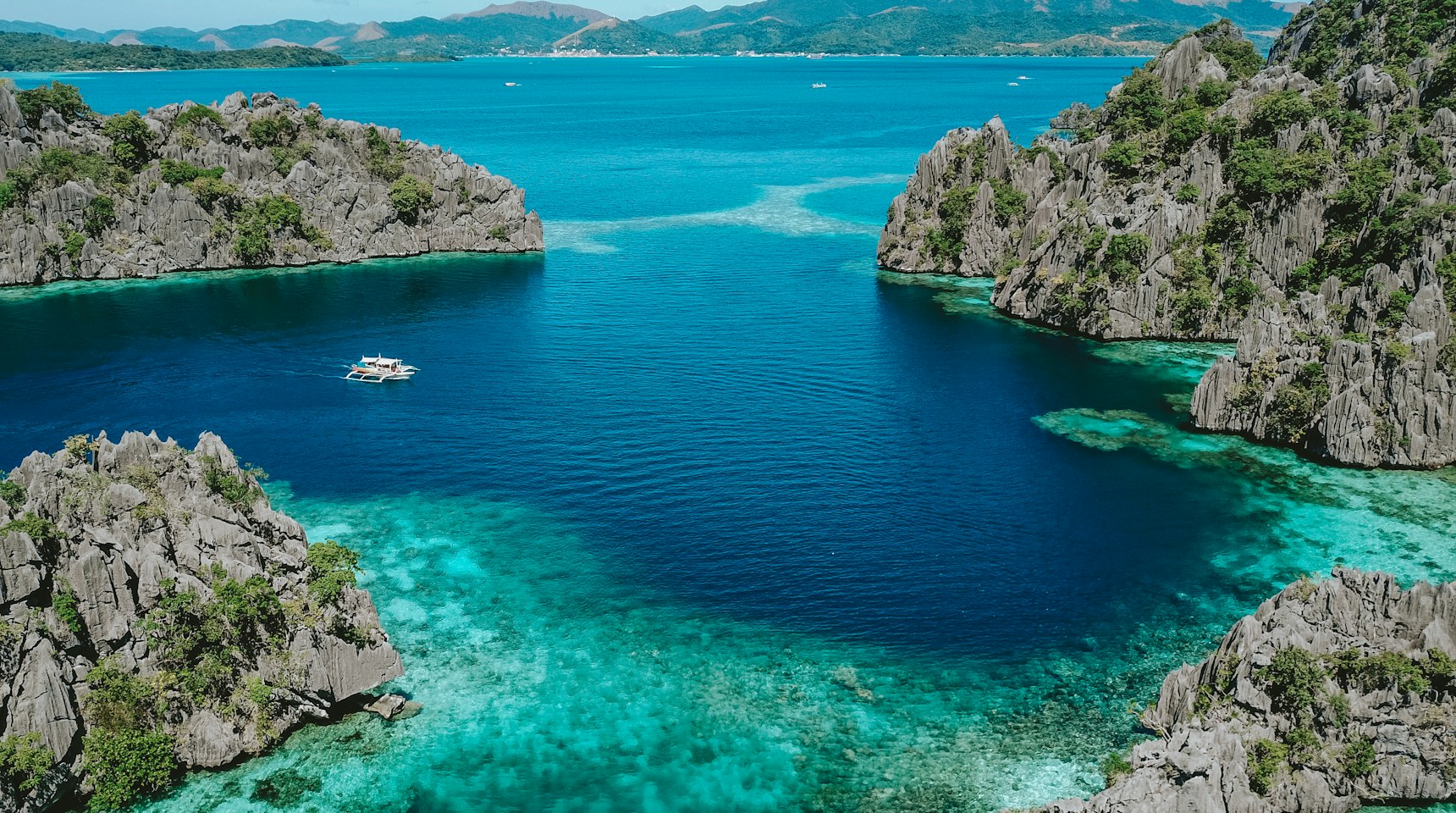
Above the water, Coron’s most famous sight is Kayangan Lake, a clear freshwater lake framed by jagged limestone cliffs. Twin Lagoon, where you swim or kayak between two lagoons, and Barracuda Lake, with its unusual layers of warm and cool water, are other highlights. Finish the day with a soak in the Maquinit hot springs, close to the sea.
The El Nido to Coron Boat Trip
One of the most exciting ways to travel between El Nido and Coron is on a multi-day expedition boat trip. These trips usually last three to five days, sleeping on remote beaches or in simple island camps, snorkelling at secluded reefs and eating freshly caught seafood. It is a true adventure and a great way to experience parts of Palawan that few visitors see.
If you are short on time, a daily fast ferry connects the two destinations in around four hours. Seas can be rough, especially during the wetter months, so take precautions if you are prone to seasickness.
Siargao: Surfing and Island Adventures
Siargao, off the north-east coast of Mindanao, is the surfing capital of the Philippines. Its most famous wave, Cloud 9, breaks over a shallow reef and is best suited to experienced surfers, but there are gentler breaks nearby where beginners can take lessons. The wooden boardwalk at Cloud 9 is a popular spot for watching the surf at sunset.
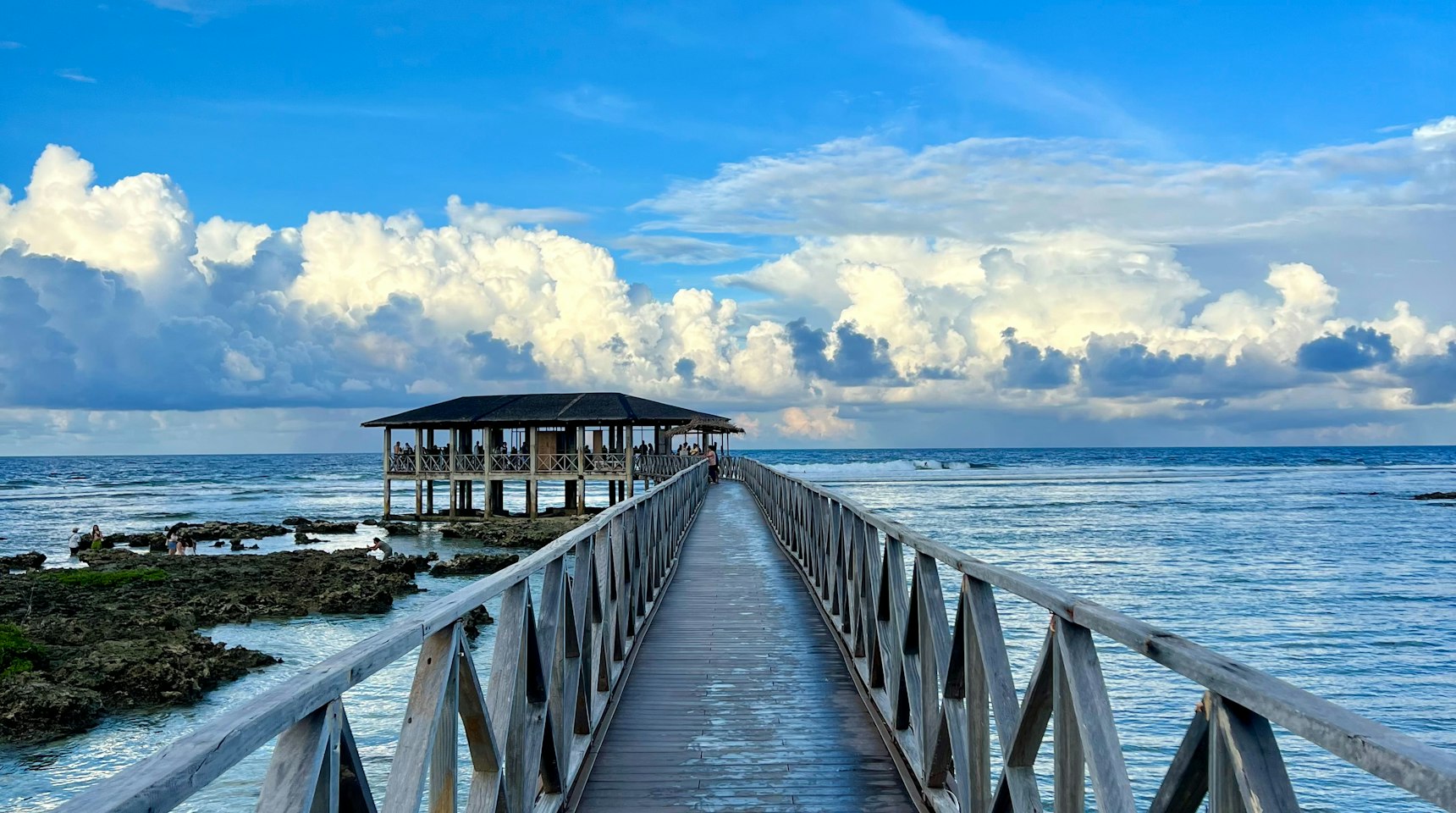
Away from the waves, rent a scooter to explore the palm-covered interior and visit the Magpupungko rock pools at low tide. Island-hopping trips to Naked, Daku and Guyam islands combine white sandbars with snorkelling and a beach lunch. Further adventures include paddleboarding through the Sugba Lagoon and exploring the mangroves of Del Carmen by kayak.
Getting Around the Islands
Flights connect Manila and Cebu with El Nido, Coron (Busuanga) and Siargao, and booking early gives the best fares. Puerto Princesa, the capital of Palawan, has more flight options, and from there vans make the five- to six-hour drive north to El Nido.
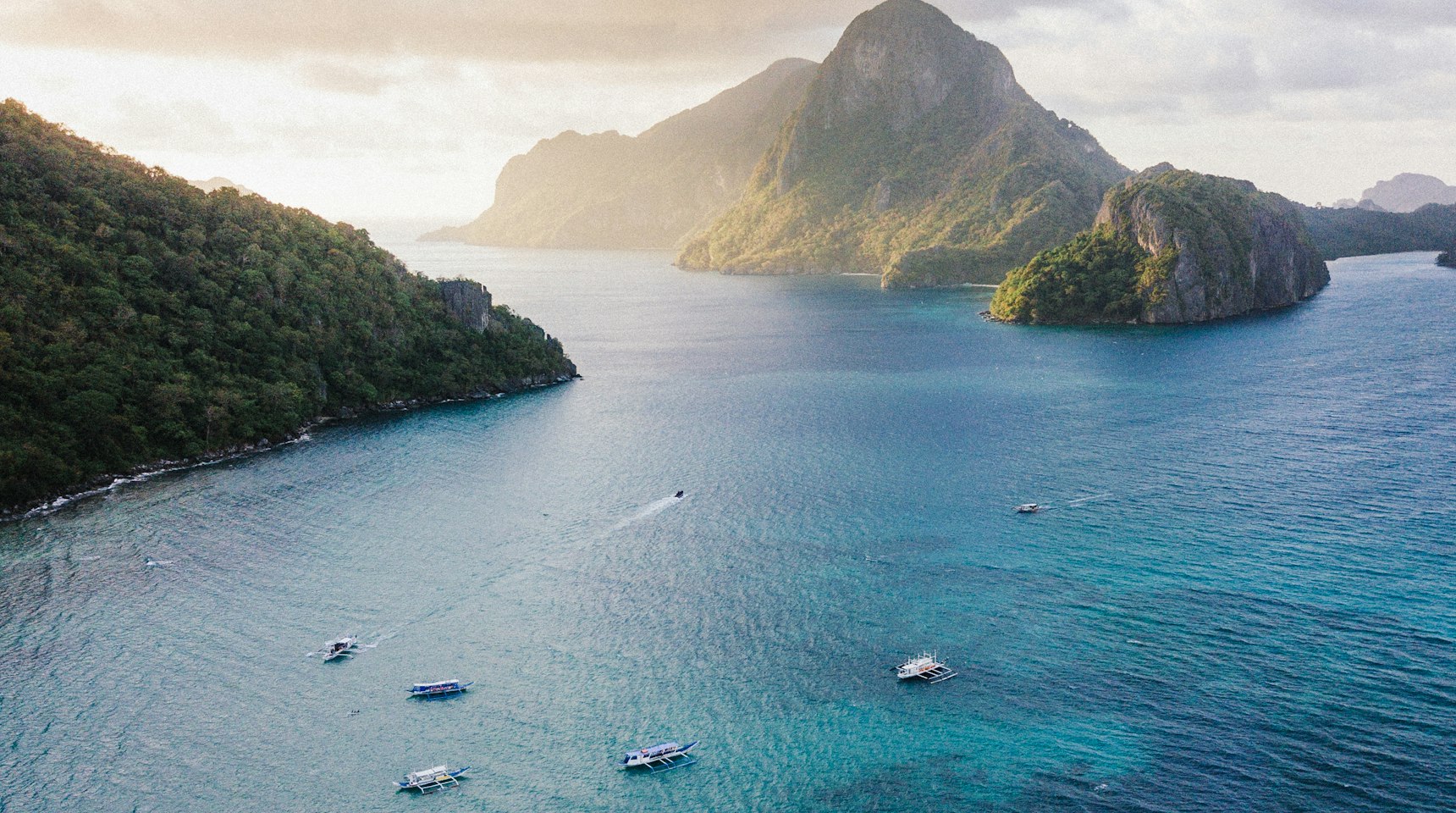
Once on the islands, tricycles, scooters and bangka boats are the main ways to get around. Agree on the fare before setting off, and always check that boats carry life jackets for every passenger. Allow extra time between connections, as flights and ferries can be delayed or cancelled by weather.
Where to Stay on an Adventure Trip
In El Nido, staying in the town puts you close to the tour boats, restaurants and dive shops, while Corong-Corong and Marimegmeg beaches to the south are quieter and closer to the sunset views. Nacpan Beach, further north, is ideal if you want a remote, back-to-nature feel. In Coron, most accommodation is in Coron Town on Busuanga Island, where tours and dive trips depart each morning.
On Siargao, General Luna is the island’s main hub, with surf camps, hostels, guesthouses and boutique resorts within easy reach of Cloud 9. Surf camps are a great choice for solo travellers and beginners, as they often include lessons, board rental and group outings. Book ahead for the peak surf season and around Christmas and New Year, when accommodation fills quickly.
Adventure Safety Tips
Choose accredited dive centres with good reviews and well-maintained equipment, and check that your travel insurance covers diving and surfing. Respect the reef by not touching coral or standing on it, and use reef-safe sunscreen. When renting a scooter, wear a helmet and make sure you are comfortable on unfamiliar roads.
Stay hydrated and protect yourself from the sun on long boat days. Carry cash, as ATMs can be unreliable in remote areas, and keep electronics in a dry bag when travelling by boat.
Best Time for a Philippines Adventure
The dry season from December to May is generally the best time for island hopping, with calm seas and plenty of sunshine. March to May is the hottest period. The wet season from June to November brings more rain and the risk of typhoons, which can disrupt flights and boat trips.
For surfing in Siargao, the strongest swells usually arrive between August and November, when experienced surfers flock to Cloud 9. Beginners may prefer the calmer conditions earlier in the year. Always keep an eye on weather forecasts and build flexibility into your plans.
Final Thoughts on Philippines Island Hopping
The Philippines is an adventure playground of lagoons, reefs, wrecks and waves. Combine kayaking in El Nido, diving in Coron and surfing in Siargao for a trip that keeps you in the water from morning to evening, and leave room for unexpected detours. For more ideas, explore our other Philippines travel guides and start planning your island-hopping adventure.